)
)
Celebrating Peru: A Melting Pot of Cultures & Traditions
)
)
Peru is a tapestry of unique history, cuisine, languages, dances, music, and landscapes. The country’s diverse traditions are what makes it one of the most culturally rich nations in the world.
Every year, millions of people flock to this nation to admire one of the seven wonders of the world, partake in cultural events, and sample the delicious cuisine. But what you might not know is that, though many of Peru’s iconic traditions originated locally, a lot of them were also brought over from abroad. Over time, foreign and local customs fused together and became part of the country’s DNA, forming the rich cultural patchwork that we know today.
Knowing where these traditions come from helps us see the full picture, to better understand the country and its people. In this post, we’ll dive into Peru’s cultural heritage, exploring how these practices came to be.
Peru’s Cultural Foundations
What is known as Peruvian culture today is actually a blend of countless influences from all around the globe. To understand the historical causes that led Peru to become a melting pot of traditions, we need to go back in time.
Indigenous Roots
Peruvian traditions remain deeply rooted in indigenous cultures. Indeed, there are over 50 indigenous groups currently living in Peru, who have been there longer than anyone else. For centuries prior to Spanish colonization, they were relatively undisturbed and had their own civilizations, structures, and cultures. One of Peru’s most famous legacies from that era is the Incan Empire. It originated from the Peruvian Andes and was mostly active between the 14th and 15th centuries. And as you may know, Machu Picchu, one of the seven wonders of the world, is said to have been the cradle of the Incan Empire.
Although the civilizations and empires that these people were a part of have been long gone, indigenous groups have managed to keep their history and knowledge alive throughout the years. They have recorded and passed down most of their cultural practices, which is how we still know so much about them today.
A perfect example of this is the Inti Raymi festival, a traditional Inca celebration observed in Peru, especially in Cusco. Its original goal was to honor Inti, the Sun God. The Incas held it during the winter solstice to ask for good harvests and protection. Although the original ceremony was banned during Spanish colonial rule, it was revived and is now reenacted each year by local communities. Today, Inti Raymi is an important symbol of cultural identity, indigenous heritage, and the lasting influence of Inca history in Peru.
This vibrant celebration illustrates the enduring legacy of Indigenous culture. To understand how these customs evolved and adapted, we must look at the profound influence of Spanish colonial rule on Peru’s culture.
Colonial Influence
Spanish presence in Peru lasted from 1542 until July 28, 1821, Peruvian Independence Day. During this time, the country was under the complete rule of the Spanish Crown and Catholic Church.
Three centuries of Spanish presence deeply transformed Peruvian culture, making Spanish the most common language and Catholicism the prevalent religion. They spread their culture through education, integrating their culture in the subjects taught in Spanish-built schools. But local traditions and customs were not erased, instead blending with the new influences.
During the Spanish colonial period in Peru, indigenous artists were taught European art techniques such as oil painting and Baroque style. They often learned these skills while creating religious art for the Catholic Church. But over time, they started mixing these Western methods with their own Andean beliefs and symbols, forever changing artistic movements such as the Cuzco school. This led to artworks that told Christian stories but also included native animals, plants, and imagery that reflected Andean culture and spirituality.
However, European culture is not the only one that was introduced to Peru during the Spanish colonial rule. Slaves brought from Africa to work in mining and agriculture had their own traditions. Their culture further influenced traditions in Peru, and that’s what we’ll look at next.
Afro-Peruvian Contributions
Afro-Peruvian is a term that specifically refers to the descendants of various sub-Saharan African ethnic groups that were brought to Peru as slaves by settlers during the colonial era. They have had a crucial influence on the culture, cuisine, literature, folklore, and national identity of Peru from the early colonial period to date.
The Afro-Peruvian community kept its diverse beliefs and traditions alive, transmitting them to new generations. Afro-Peruvian customs started evolving progressively, adapting and blending with local culture. For example, it led to the invention of new musical instruments, among other things.
One of their most notable contributions is the percussion instrument called cajón. It’s a unique instrument created in the 19th century as an act of rebellion, after the Church had prohibited slaves from using drums under Spanish rule. Afro-Peruvians began using the simple boxes in which they transported goods as percussions, and little by little the modern instrument known as cajón was born.
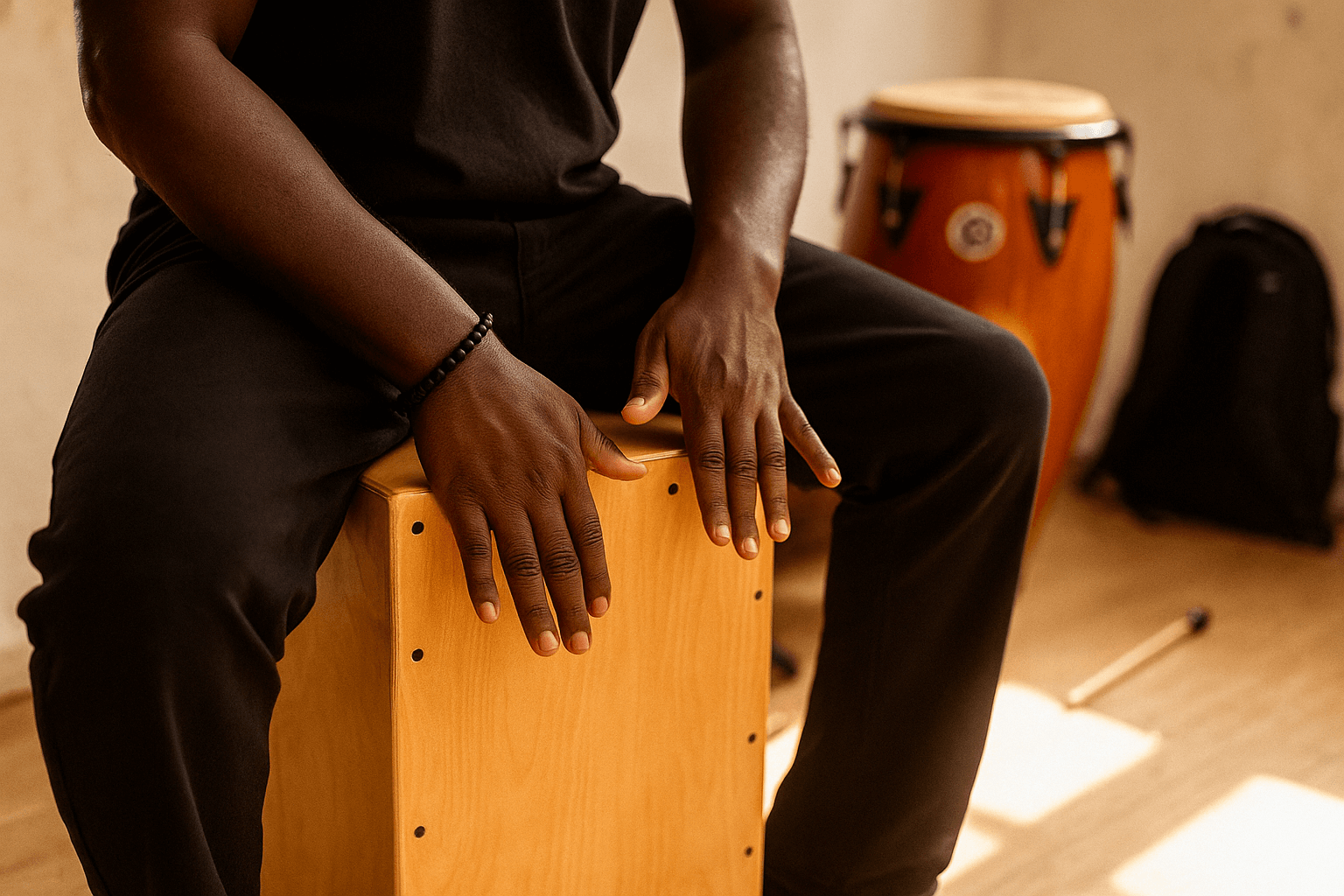
It is such a groundbreaking instrument that Andalusian musicians later brought it to Spain, where it became a staple of flamenco music. It’s such an important part of Peru’s culture that it was declared Cultural Heritage of the Nation in 2001. Today, Afro-Peruvian music is still considered iconic and widely listened to.
Finally, we are going to dive into the most recent influences on Peruvian culture, which come from international immigration.
The Impact of Immigrants
Peru has welcomed immigrants from many parts of the world, but some groups have had a stronger influence due to some historical migration patterns. Among the most influential immigrant communities in Peru are Italians, Chinese, and Japanese, each leaving a lasting mark on the country’s culture and traditions.
Italian immigration in Peru began during the colonial period and increased during the Guano Era and World War II. Italians integrated well into Peruvian society, playing an important role in Peru’s economic and urban development through trade, banking, and infrastructure.
Chinese immigrants arrived mainly in the 19th century to work in agriculture and guano mines. They introduced cultural practices like tea drinking and traditional medicine, among others. Many Chinese Peruvians helped shape Peruvian society through neighborhood organizations and public institutions.
Japanese immigration started in the late 1800s due to economic changes in Japan and labor needs in Peru. Today, their descendants form a large community deeply involved in agriculture and community organizations. Over time, some Japanese Peruvians also ended up gaining political and social influence in the country.
Over the centuries, Peru has welcomed a wide range of cultural influences. Each contribution has enriched the country’s identity, adding new flavors, rhythms, and customs to its already diverse heritage.
A Culinary Journey Into Peru’s Rich Cultural Diversity
Peruvian cuisine is a living expression of Peru’s layered history and cultural pride. It has been shaped by centuries of cultural exchange. From ancient Andean stews to Asian-inspired stir-fries, each dish tells a story of migration, adaptation, and identity.
Now, let’s explore some of the most iconic dishes that showcase how foreign cultures have been embraced in by Peruvians.
Carapulcra: A Stew from the Andes
Carapulcra is one of Peru’s oldest dishes, dating back to pre-Colombian times.
This stew was traditionally made with llama or alpaca meat and dehydrated potatoes that were cooked over hot stones. The potatoes, known as papa seca, were dried as a way to preserve them for longer, an ancient technique still used in the Andes. The dish has remained very similar to what it was centuries ago, only replacing llama with pork and adding ground peanuts. It is served with rice or yuca, and will warm you up during the winter.
Tacu-Tacu: Afro-Peruvian Ingenuity
Tacu-tacu is a delicious blend of leftover rice and beans, pan-fried into a crispy patty, born in the coastal plantations of Chincha and Cañete. It originated among enslaved Africans who creatively repurposed scraps into nourishing meals. It is said that the name tacu-tacu may derive from the Swahili word taka, meaning “food,” reflecting its Afro-Peruvian roots. Today, it’s a beloved comfort food, often topped with steak, seafood, or a fried egg.
Tallarines Verdes: Italian Roots, Peruvian Soul
Tallarines verdes literally translates to “green noodles”. It’s Peru’s creamy take on Italian pesto. Introduced by Italian immigrants in the 19th century, the dish swaps basil for spinach and adds fresh cheese and evaporated milk for a uniquely Peruvian twist. It’s typically served with grilled steak and is a staple in home kitchens. Try it, you might even prefer it to Italian pesto!
Arroz Chaufa: The Chifa Legacy
Arroz chaufa is Peru’s version of Chinese fried rice. It is part of the chifa cuisine, born from the blending of Chinese and Peruvian food, a distinct and widely loved style of Peruvian food. The name arroz chaufa reportedly comes from the Cantonese chao fan, meaning “fried rice.” It blends soy sauce, scallions, eggs, and meats like chicken or pork, stir-fried in a wok. Every chifa restaurant in Peru and has this classic dish on their menu.
Tiradito: A Nikkei Masterpiece
Tiradito is a refined dish of thinly sliced raw fish, dressed in a spicy citrus sauce. This a hallmark of Nikkei cuisine, a fusion of Japanese culinary techniques with Peruvian ingredients. Tiradito is made with ají amarillo, a unique Peruvian pepper, using the traditional slicing technique of sashimi. Unlike ceviche, tiradito is served immediately, without marinating the fish. It’s a must-try for anyone who likes ceviche or sashimi.
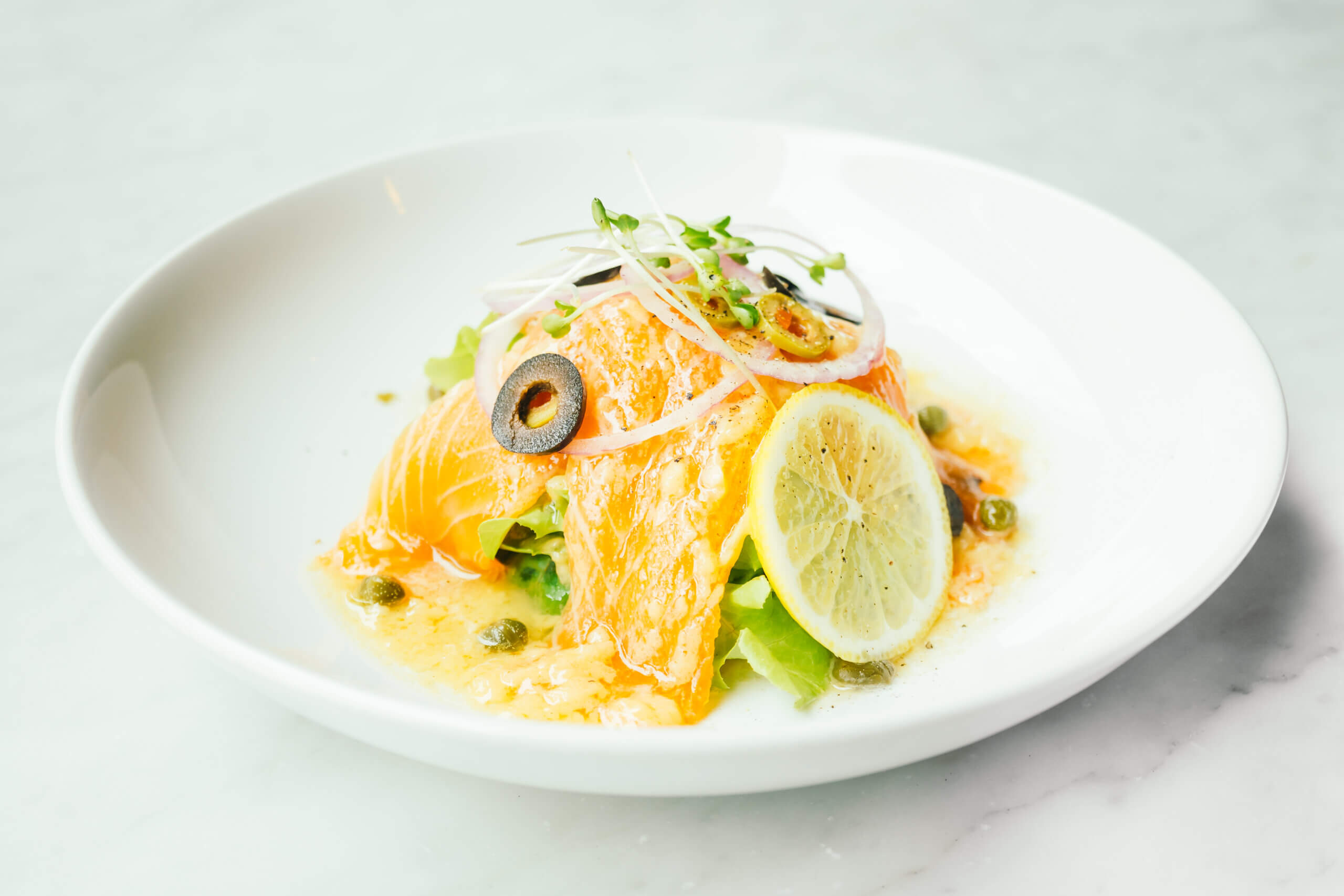
Each dish tells a history that celebrates Peru’s diverse roots and the unmatched culinary creativity of the populations who live there.
Peru’s Culture Is Alive, Evolving & Connected
Peruvian identity is a living legacy shaped by centuries of history, migration, and cultural fusion. From Indigenous beliefs to Afro-Peruvian rhythms, and from Asian flavors to European influences, these diverse threads have woven a rich and inclusive cultural tapestry.
This is also proof that people have always preserved and shared their culture, even when they moved far from home. And today, Peruvians do the same. Whether at home or abroad, they continue to celebrate their heritage, adapting it to new contexts while preserving its essence.
If you want to send money to your loved ones in Peru, use our web, app, or visit your nearest Ria location. You can also visit our page to learn more about how to send money directly through Yape.
FAQs
What are the main influences that shape Peruvian culture?
Peruvian culture is shaped by Indigenous, Spanish, African, Italian, Chinese, and Japanese influences, each contributing unique traditions, foods, and customs.
Which festivals and traditions are most important in Peru?
Major festivals include Inti Raymi, Virgen de la Candelaria, and Peruvian Independence Day. Traditional dances like the marinera and festejo, and regional rituals, are also central to cultural life.
How has migration impacted Peruvian culture?
Migration has brought new influences to Peru (notably from Italy, China, and Japan) and spread Peruvian traditions globally, especially through the diaspora in the U.S., Spain, Argentina, and Chile.
What are some iconic Peruvian dishes and their origins?
Signature dishes include carapulcra (Andean), tacu-tacu (Afro-Peruvian), tallarines verdes (Italian-Peruvian), arroz chaufa (Chinese-Peruvian), and tiradito (Nikkei/Japanese-Peruvian).
How do Peruvians preserve and celebrate their cultural heritage?
Through festivals, music, dance, artisanal crafts, cuisine, and community events—both in Peru and abroad.
What is Peru most famous for internationally?
Peru is renowned for Machu Picchu (a UNESCO World Heritage site and one of the seven wonders of the world), its diverse cuisine, and its rich cultural traditions.
About the author

Myriam Fernández German
Myriam Fernández German is a content writer with a multicultural background who explores the social and financial impact of remittances in today's global society.
Related posts
Living in Japan as a Foreigner: How to Read the Room and Feel at Home
Japan always leaves a strong impression on those who visit the country. Its cities are clean and efficient, public transport is known to be reliable, and everyday life often feels remarkably organized. These factors make it easy to understand why so many people choose moving to Japan as a foreigner: to live, work or study
From Dance to Values: Uncovering the Full Iceberg of Culture
Are you familiar with the “Iceberg of Culture”? Developed by anthropologist Edward T. Hall, it shows that culture goes far beyond what we can see, shaped as much by visible expressions as by deeper, often invisible elements. On World Day for Cultural Diversity, we’re exploring both sides of that iceberg. From language and dance to []
International Dance Day: How Movement Connects Cultures
Dance is a timeless art expressed through movement. It has been used by humanity for millennia to convey meaning and emotions. To this day, dances hold memories and wisdom from ancestral times. They’re a powerful marker of identity that transcends borders and ages, bringing cultures together. That is why many migrants use dance as way []
We Folded One Thousand Cranes for Children
Key Takeaways ▪ Senbazuru is a Japanese tradition of folding 1,000 paper cranes to express hope, healing, or peace.▪ The paper crane symbolizes long life and resilience in Japanese folklore.▪ Sadako Sasaki, a Hiroshima bombing survivor, made the tradition globally known while battling leukemia.▪ Her story turned the paper crane into an international symbol of []