)
)
We Folded One Thousand Cranes for Children
)
)
The Tradition of a Thousand Paper Cranes
Every year, thousands of paper cranes are placed at the Children’s Peace Monument in Hiroshima, Japan, following the tradition of 千羽鶴 (senbazuru). Senbazuru is a Japanese custom rooted in ancient folklore where the crane is regarded as a mystical and sacred creature symbolizing long life. An old Japanese saying even claims that “cranes live for a thousand years”.
Because of this symbolism, folding one thousand paper cranes and offering them at sacred sites became a tradition for those seeking blessings. Today, cranes are often given to people who are seriously ill as a symbol of hope for recovery. They are usually made collectively by friends, classmates, or colleagues, and are either offered at a holy place on the person’s behalf or given directly to them.
Sadako Sasaki’s story
Sadako is one of the most well-known hibakusha, a Japanese term meaning “bomb-affected person”, and her story is now known across the world. She was born on January 7th, 1943 in Japan. Her parents owned and operated a barbershop in the heart of Hiroshima, and she was two years old when the Boeing B-29 Superfortress called Enola Gay released “Little Boy”, an atomic bomb containing about 64 kg of uranium.
Though most of the family managed to escape, Sadako was diagnosed with leukemia ten years later, a delayed consequence of the atomic bombing.
During her time at the hospital, her father introduced her to the tradition of Senbazuru, leading Sadako to search for every scrap of paper she could find and begin folding paper cranes. “During her stay in the hospital, she never once said the words “It hurts” in front of me or my parents,” her brother later remembered. “Every day, she kept her desire to cry locked away in her heart and never cried. Instead, Sadako desperately folded paper cranes, speaking to them as she poured her pain, suffering, and anguish into each one. She entrusted her anxiety and loneliness when she was alone to those paper cranes.”
Sadako succeeded in folding one thousand paper cranes by August. But despite her determination, her condition did not improve. As the disease progressed, she continued to believe and to fold cranes. Sadako Sasaki passed away on the morning of October 25th, 1955. She was twelve years old.
Legacy and globalization of the paper crane tradition
After Sadako’s passing, her brother continued to share her story, spreading a message of peace and unity. Thanks to students from more than 3,000 schools across Japan, including Sadako’s former classmates, funds were raised to build the Children’s Peace Monument in her honor in Hiroshima’s Peace Memorial Park.
At the base of the monument lies a black marble slab engraved with the words: “This is our cry, this is our prayer: for building peace in the world”. Even today, people from around the globe continue to offer paper cranes to the Children’s Peace Monument. If one day you are among them, you will notice, at the top of the monument, the statue of Sadako holding a paper crane aloft, symbolizing hope for the welfare of children.
Ria Sends Good Wishes to the Children
Since 2022, we have worked closely with Save the Children to support vulnerable children and improve access to education. We share the belief that children everywhere have the right to grow up healthy, safe, and with proper education.
Our partnership is built on the steady foundation of common principles and goals. For the third year in a row, we have been deeply involved in Save the Children’s long-term programs in Mexico and the Philippines. And they have inspired us to keep showing up and advocating for those who need it most.
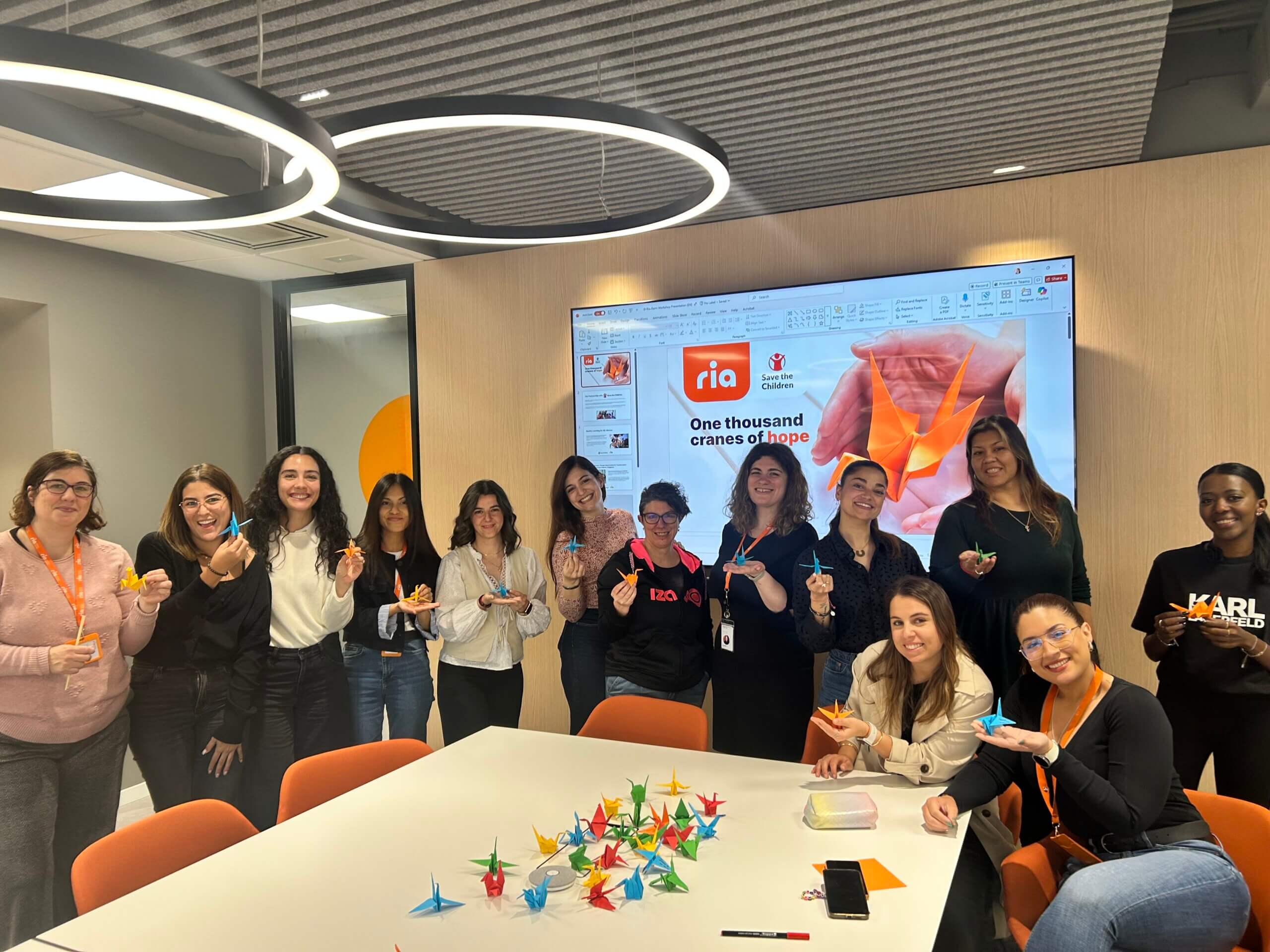
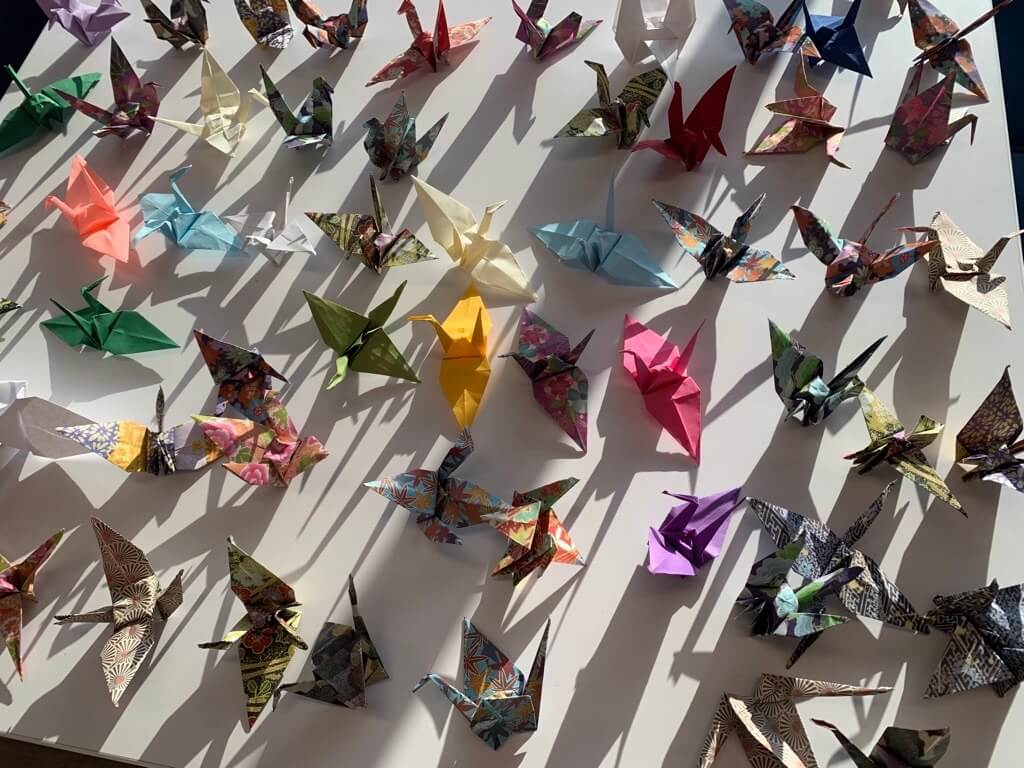
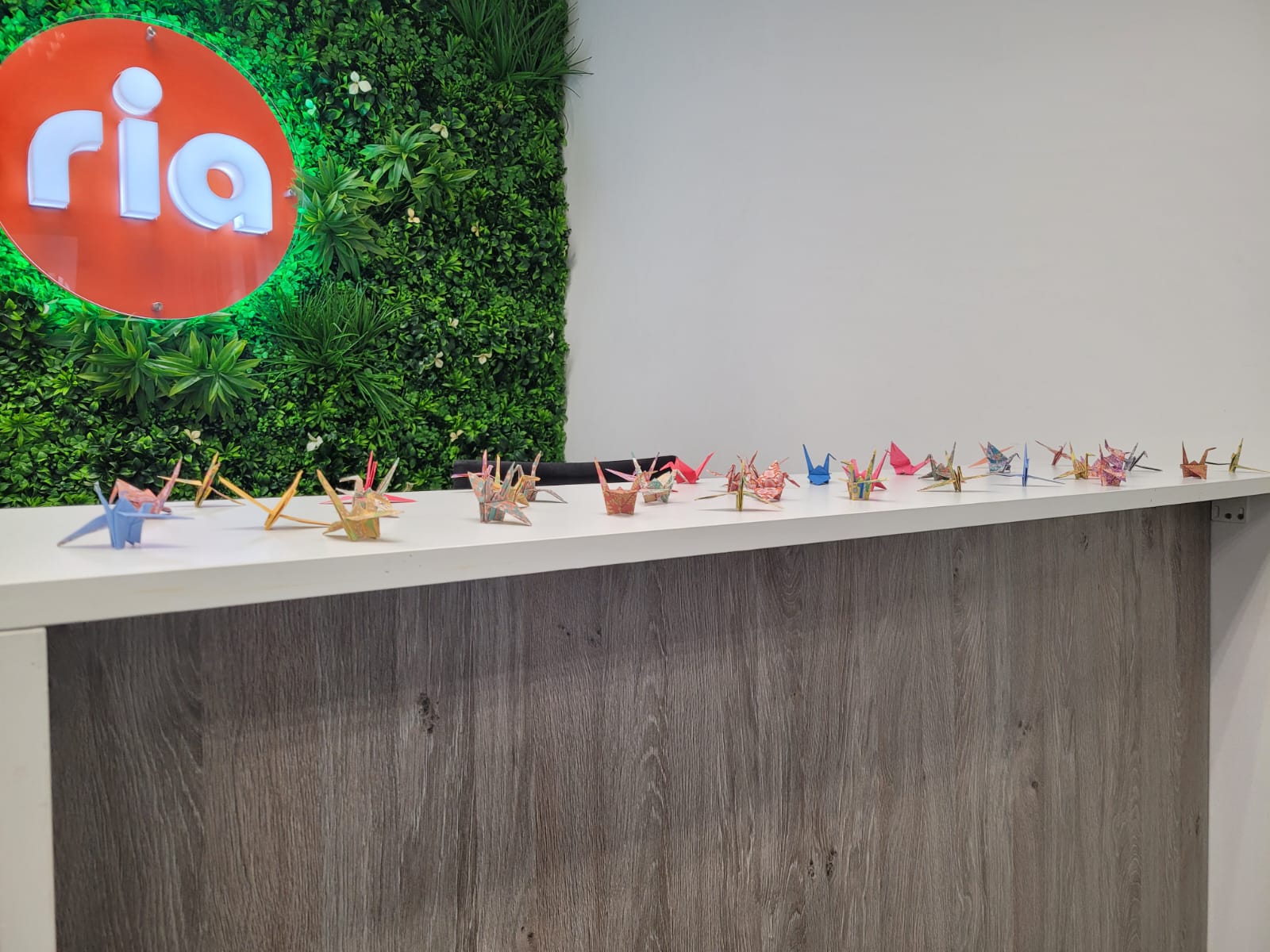
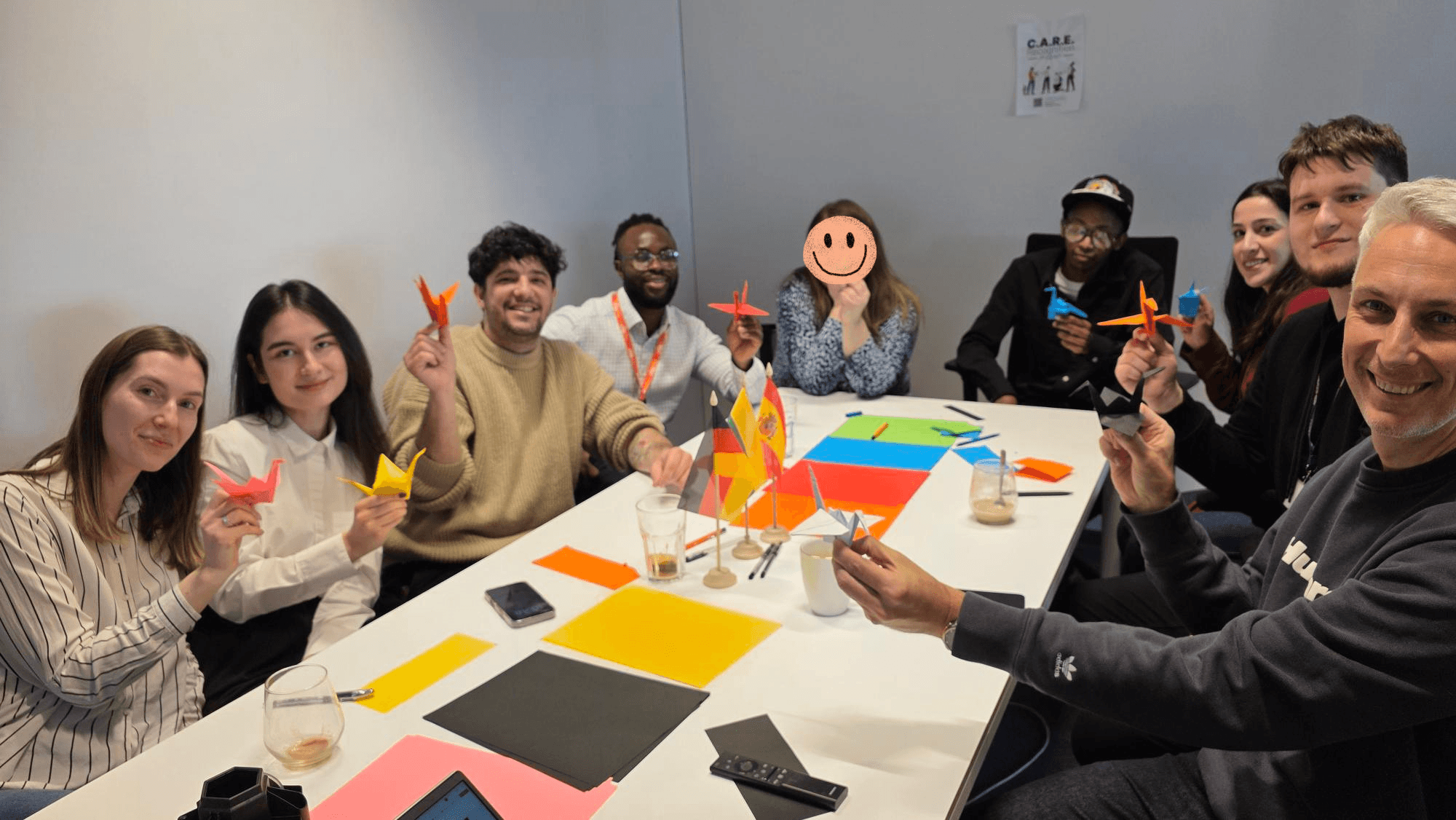
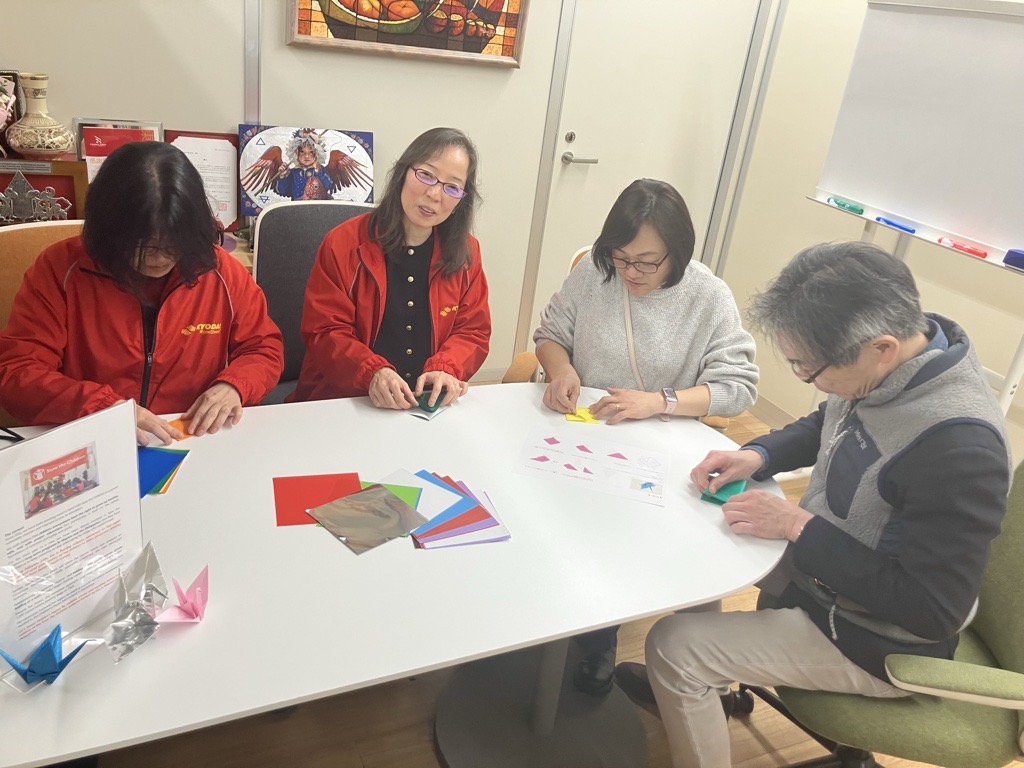
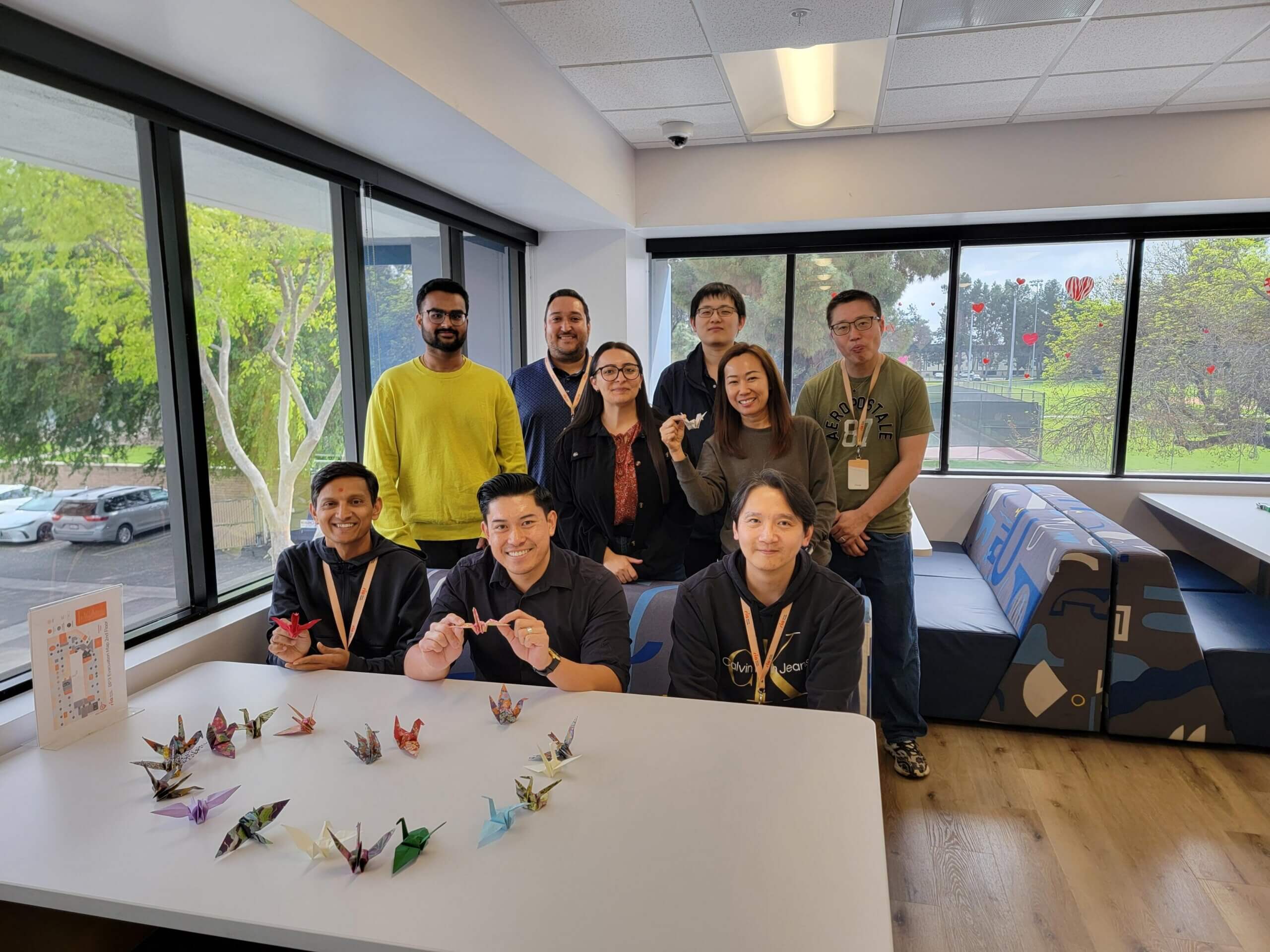
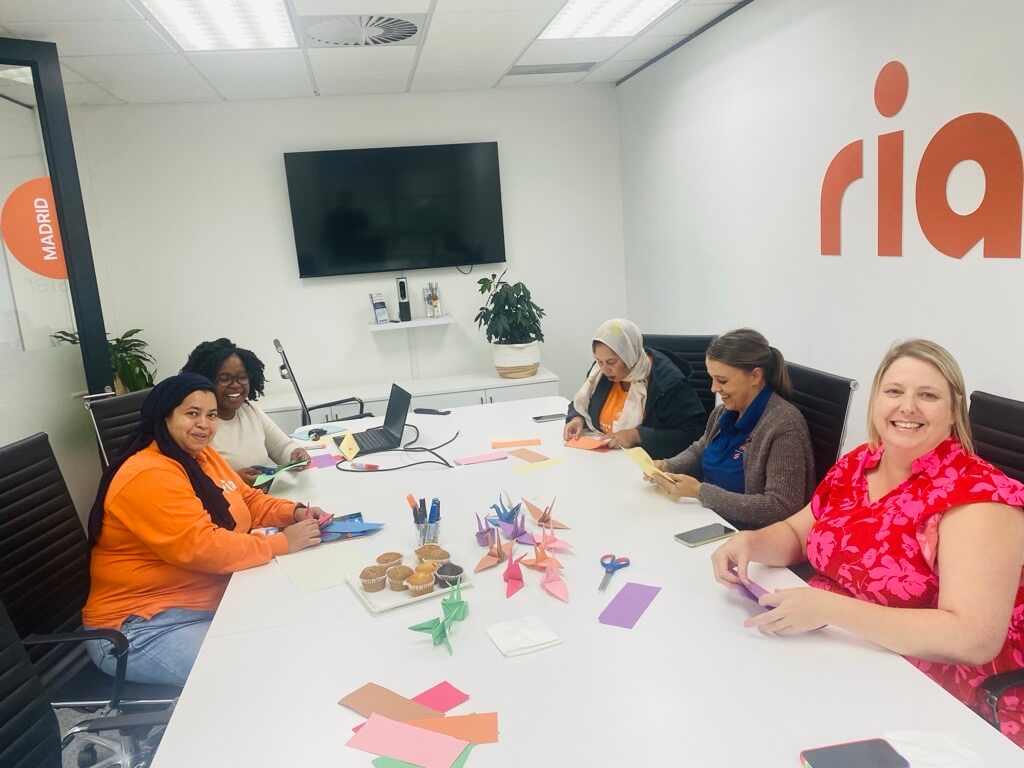
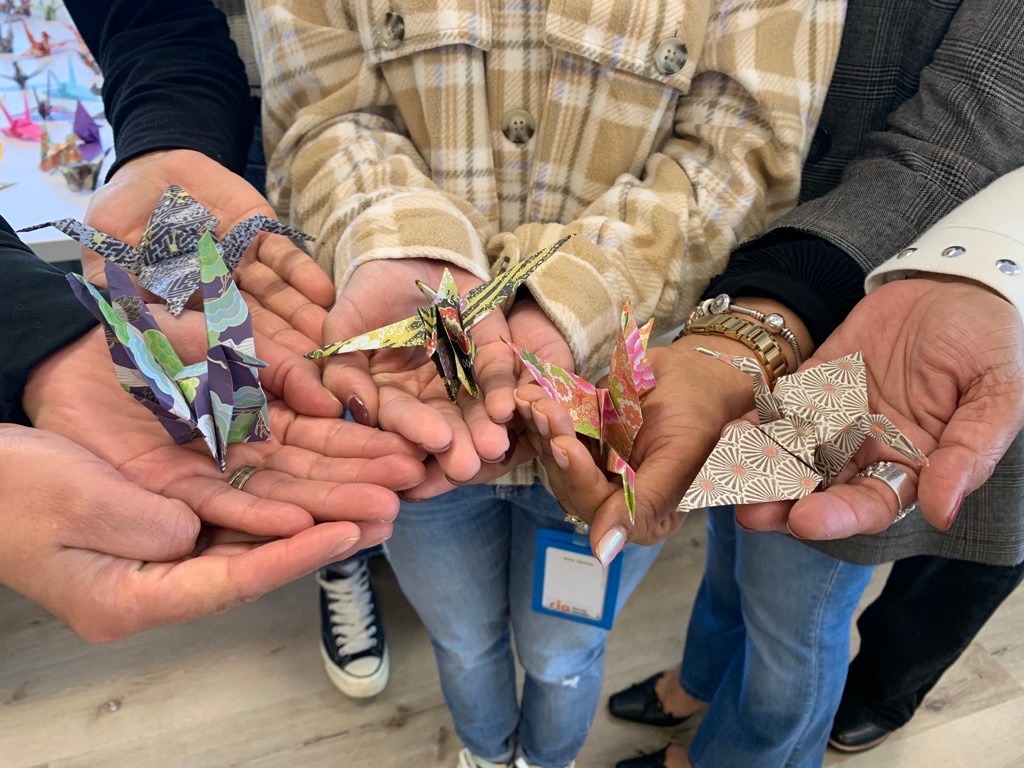
Over the course of one month, Ria employees around the world folded paper cranes during company-organized origami workshops to send good wishes to the children of the Save the Children projects funded by Ria in Mexico and the Philippines. Together, we folded 1,304 paper cranes, completing our goal and honoring the senbazuru tradition.
You can learn more about our impact and partnership with Save the Children in our blog post and fold your own paper crane to send good wishes to those who need it most in this video.


FAQ
What is senbazuru?
Senbazuru is the tradition of folding one thousand paper cranes to express hope, healing, or goodwill.
Why are paper cranes meaningful in Japan?
They symbolize long life, peace, and good fortune in Japanese culture.
Who was Sadako Sasaki?
Sadako Sasaki was a child affected by the Hiroshima bombing whose story became a symbol of peace.
What role did paper cranes play in Sadako’s life?
She folded paper cranes while hospitalized, believing in the hope behind the tradition.
What is the Children’s Peace Monument?
It is a memorial in Hiroshima dedicated to Sadako and all children affected by war.
How did the paper crane tradition spread globally?
Sadako’s story helped transform it into a worldwide symbol of peace and solidarity.
How did Ria participate in the senbazuru tradition?
Ria employees folded over one thousand cranes to send good wishes to children supported by Save the Children.
About the author

Chiara Boutot
Chiara Boutot is a French content specialist who specializes in writing about the human side of finance, migration and living abroad.
Related posts
Living in Japan as a Foreigner: How to Read the Room and Feel at Home
Japan always leaves a strong impression on those who visit the country. Its cities are clean and efficient, public transport is known to be reliable, and everyday life often feels remarkably organized. These factors make it easy to understand why so many people choose moving to Japan as a foreigner: to live, work or study
From Dance to Values: Uncovering the Full Iceberg of Culture
Are you familiar with the “Iceberg of Culture”? Developed by anthropologist Edward T. Hall, it shows that culture goes far beyond what we can see, shaped as much by visible expressions as by deeper, often invisible elements. On World Day for Cultural Diversity, we’re exploring both sides of that iceberg. From language and dance to []
International Dance Day: How Movement Connects Cultures
Dance is a timeless art expressed through movement. It has been used by humanity for millennia to convey meaning and emotions. To this day, dances hold memories and wisdom from ancestral times. They’re a powerful marker of identity that transcends borders and ages, bringing cultures together. That is why many migrants use dance as way []
The Science of Accents: Why We Sound Different Abroad
Everyone has an accent. From the moment we arrive somewhere new, our voice can be a standout. That’s because accents act as social signals: they can hint at region, community, and lived experience long before we share our full story. However, it’s important to separate a common misconception from science: an accent isn’t a pronunciation []