)
)
How to Celebrate Your Cultural Identity While Living Abroad
)
)
In today’s globalized world, people travel far more than ever before. As societies become increasingly connected, cultures meet and traditions merge. That is because people carry their cultural identity with them, even after moving to a new country.
Cultural identity refers to the norms, beliefs, values, and behaviors that we are raised with. Most importantly, your cultural heritage gives you a sense of identity and belonging, even far from home.
If you’ve ever visited a foreign country, you probably noticed a myriad of cultural differences. They can range from the way you greet people to the holidays you celebrate. Or from the way you perceive time to how you communicate with others.
While adapting to your new home is important, staying connected to your culture is also key for your well-being. It’s a way to honor your heritage, build community, find support, and foster a sense of belonging.
In this post, we’ll share creative tips to celebrate your culture and keep your connections alive while living abroad.
Create Ways to Keep Your Traditions Alive
Keeping your traditions alive is often a reminder of good times shared with your loved ones. It can help give you a sense of comfort. And the good news is that there are plenty of easy ways to do it.
Here are some examples:
Food
Cooking traditional dishes is a great way to stay connected to your culture. Indeed, the smell and taste of familiar meals can bring back pleasant memories. If you don’t know how to cook these dishes, ask your family or search for recipes online. You can then share these with friends or host a fun cultural dinner.
Festivals
Celebrating cultural festivals is an entertaining way to keep traditions alive. Cultural organizations or embassies often plan events for important holidays. But you can also organize your own gathering, decorate your place, and invite friends over. This way, you can meet other people from your culture and share your customs with friends.
Language
Speaking your native language is very beneficial. It helps preserve your culture and communicate with people from your country of origin. That’s why it’s important to preserve it and teach it to others, such as your children. And in case you have forgotten your mother tongue or haven’t had a chance to learn your parents’ language—it’s never too late to start. Book a class, download an app, or find a language exchange partner to practice with.
Arts
Music, dance, crafts, and storytelling are all powerful cultural bridges. You can listen and dance to traditional music, watch movies from your country of origin, or create art inspired by your roots. These activities are fun and easy to share with other people. They keep your heritage alive and help others understand it as well.
You can do these simple things no matter where you are in the world. And it can be something you choose to do by yourself or share with others. But for the latter to happen, you have to meet people, create connections, and build relationships.
Build Community and Share Your Culture
Migrating can be very isolating, especially if you don’t know anyone in your new home.
But you don’t have to go through it all alone. Diaspora communities can help you find a support system. Connecting with people who’ve had similar experiences can boost your mental health and give you a sense of security and belonging.
Here are other ways to help you find or build community:
Find Your Circle
Look for diaspora groups and organizations near you. These types of communities usually offer useful tips and guidance. It’s incredibly useful for newcomers who might feel lost or discouraged. And they can give rise to new connections rooted in empathy, kindness, and support.
Host Cultural Experiences Abroad
Organize fun cultural nights with your friends to share your heritage and learn about theirs. For example, you can ask everyone to prepare one of their favorite traditional dishes. Or host regular watch-parties to discover movies from different countries.
Give Back
Volunteer to give back to the community or join cultural exchange projects. Culture constantly evolves and absorbs new traditions, so promoting cultural exchange enriches everyone. Plus, helping others understand your heritage builds bridges and fosters respect.
Turn Challenges Into Strengths
Going through homesickness and loneliness is very difficult, but it can become a source of strength. By talking with your loved ones or sharing your experience on a public platform, you can help others who are going through the same thing feel seen. This way, you can turn the hard experiences into valuable lessons.
Leverage the Power of Social Media
Sharing traditions online makes your culture visible around the world. It also connects you with people who appreciate it. And, if you don’t feel like posting about it yourself, you can simply follow migrant creators and join their communities.
In the end, building a community and sharing your culture can transform the challenges of migration into growth. By reaching out, creating spaces for cultural exchange, and giving back, you’ll find belonging and help others do the same.
Thrive Abroad: Honor Your Cultural Identity
According to the Migration Data Portal, 3.7% of the world’s population lives outside of their home country. And many more grow up in multicultural households. This means that millions of people are striving to adapt to a new environment while preserving their roots.
Striking that balance is key to personal growth and emotional well-being. But thankfully, today it’s easier than ever to celebrate your culture and stay connected to your family and friends abroad. You can easily send love and care to your loved ones through money transfer services.
Send money through Ria Money Transfer’s web, app, or by visiting your nearest Ria location.
FAQs
How can I celebrate my culture while living abroad?
Meet with local diaspora communities, join online groups, cook traditional meals, participate in cultural festivals, and share your traditions with new friends.
What are the best ways to keep cultural traditions alive overseas?
Practice rituals at home, celebrate holidays, teach your family about your heritage, and connect with others from your culture.
How do expats find cultural communities?
Look for local cultural associations, expat support groups, online forums, and social media communities dedicated to your heritage.
What challenges do people face celebrating culture abroad?
Common challenges include homesickness, cultural misunderstandings, lack of community, and balancing adaptation with tradition.
How can I share my heritage with others in a new country?
Invite friends to cultural events, prepare traditional food, explain the meaning behind your customs, and use digital platforms to share it with a wider audience.
What festivals can I join abroad?
Many countries host multicultural festivals; you can also organize your own celebrations or join events hosted by local cultural organizations.
How do I teach my children about our culture overseas?
Share stories, cook traditional dishes together, celebrate holidays, and speak your native language at home.
Can I celebrate my culture if I don’t speak the language?
Absolutely—focus on traditions, food, music, and other cultural expressions that don’t require language fluency.
How do I balance adapting and preserving my cultural identity abroad?
Embrace new experiences while maintaining key aspects of your heritage. It’s possible to integrate and honor your roots.
About the author

Myriam Fernández German
Myriam Fernández German is a content writer with a multicultural background who explores the social and financial impact of remittances in today's global society.
Related posts
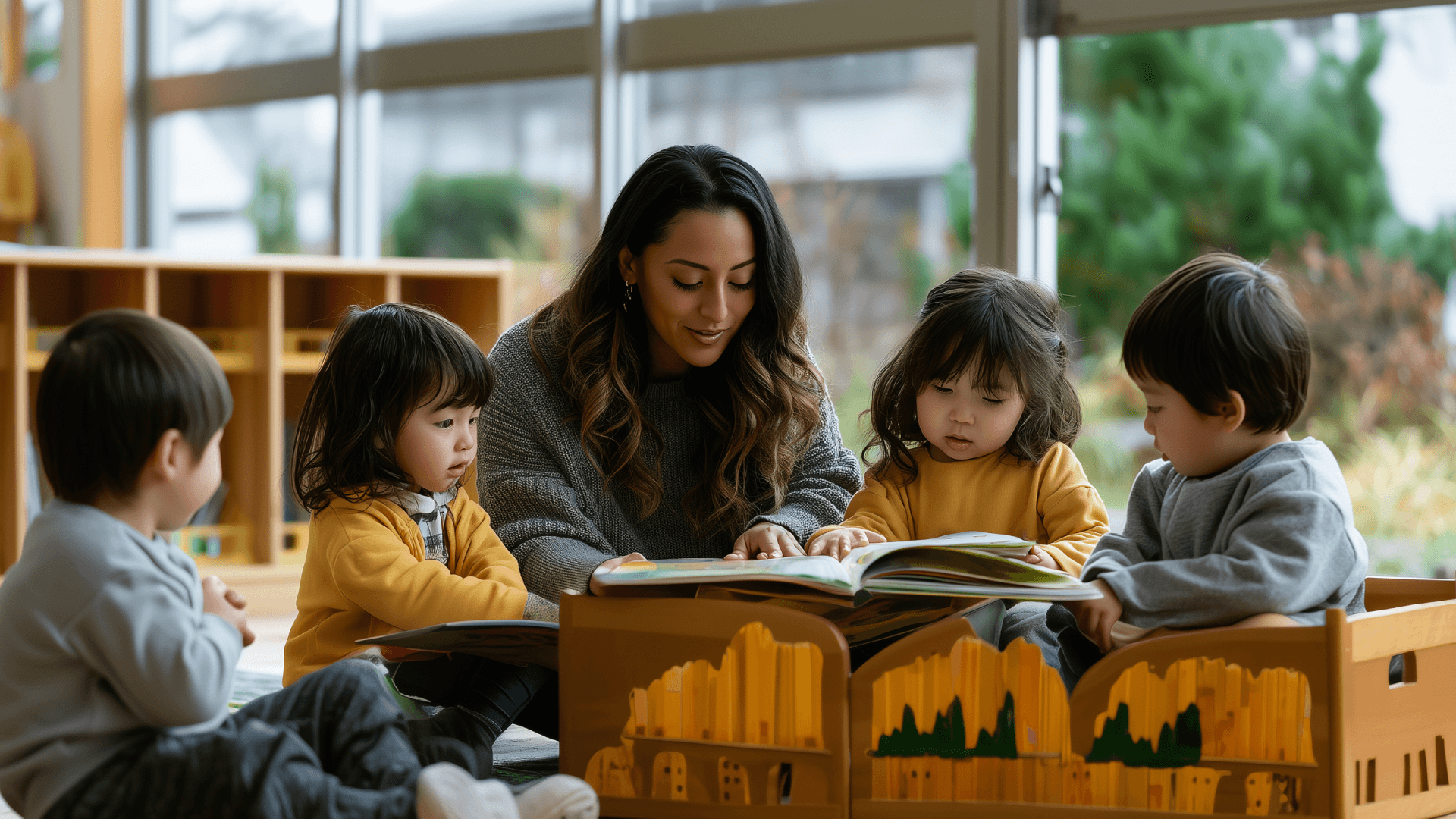
Living in Japan as a Foreigner: How to Read the Room and Feel at Home
Japan always leaves a strong impression on those who visit the country. Its cities are clean and efficient, public transport is known to be reliable, and everyday life often feels remarkably organized. These factors make it easy to understand why so many people choose moving to Japan as a foreigner: to live, work or study
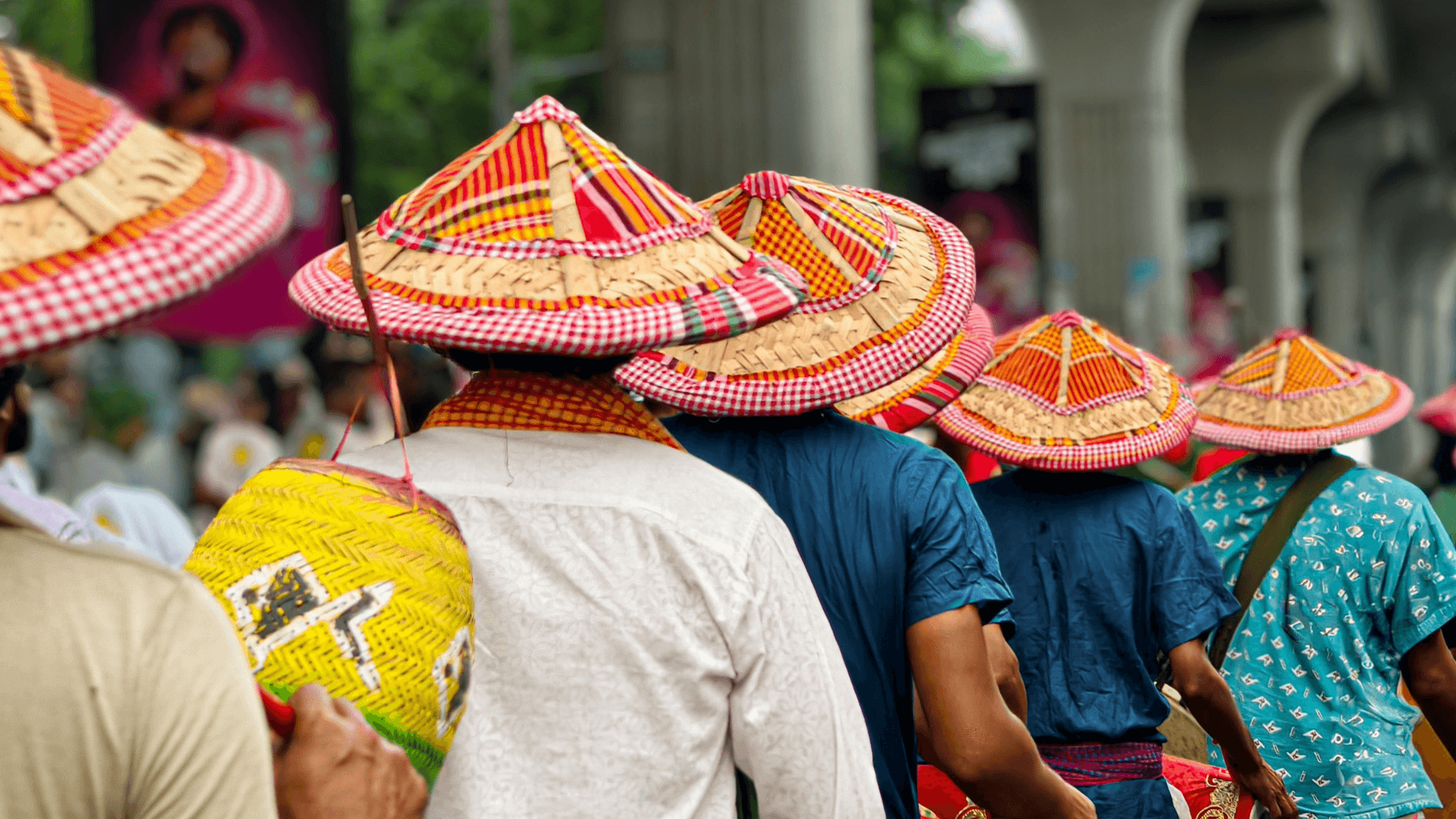
From Dance to Values: Uncovering the Full Iceberg of Culture
Are you familiar with the “Iceberg of Culture”? Developed by anthropologist Edward T. Hall, it shows that culture goes far beyond what we can see, shaped as much by visible expressions as by deeper, often invisible elements. On World Day for Cultural Diversity, we’re exploring both sides of that iceberg. From language and dance to []
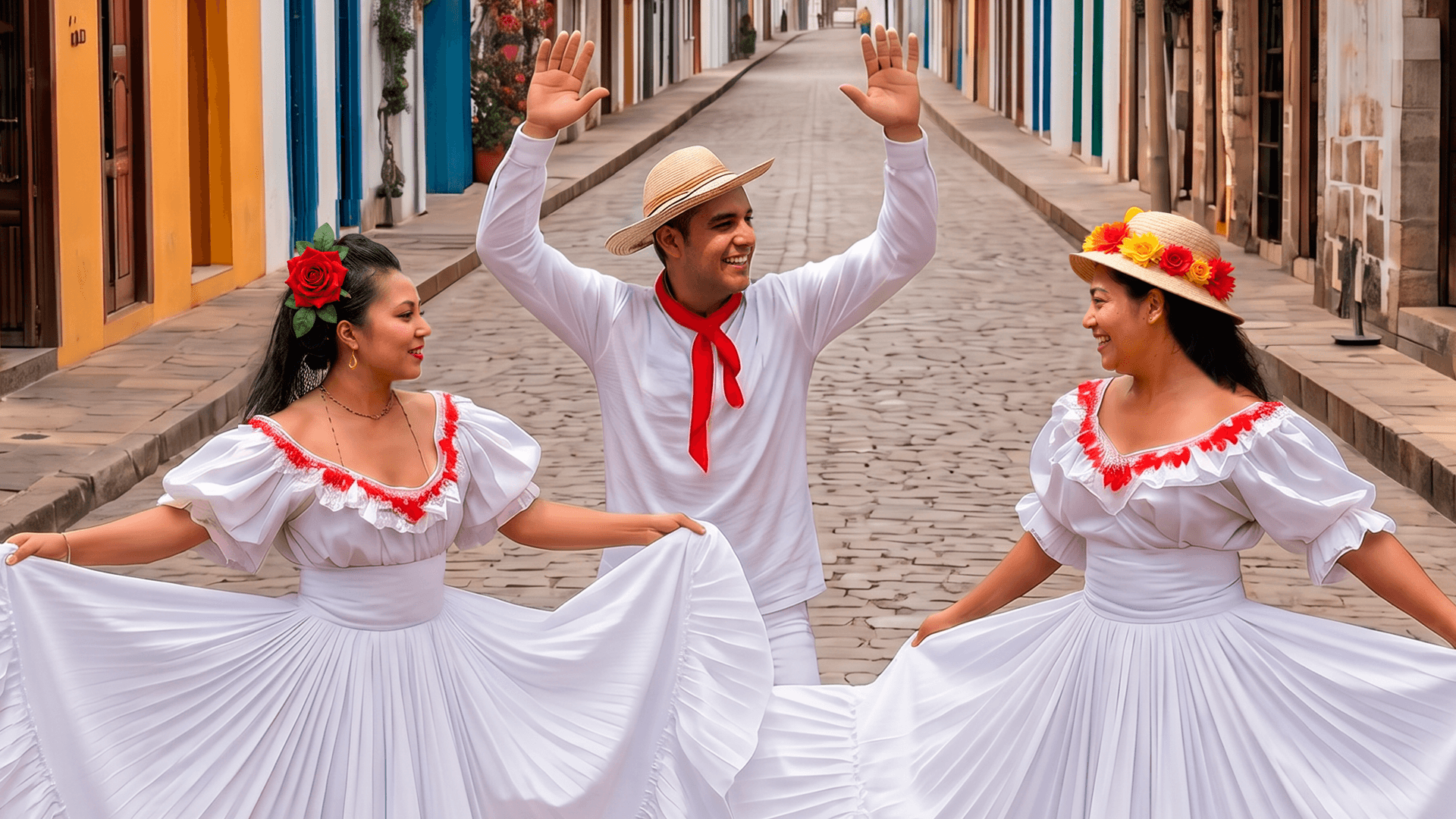
International Dance Day: How Movement Connects Cultures
Dance is a timeless art expressed through movement. It has been used by humanity for millennia to convey meaning and emotions. To this day, dances hold memories and wisdom from ancestral times. They’re a powerful marker of identity that transcends borders and ages, bringing cultures together. That is why many migrants use dance as way []
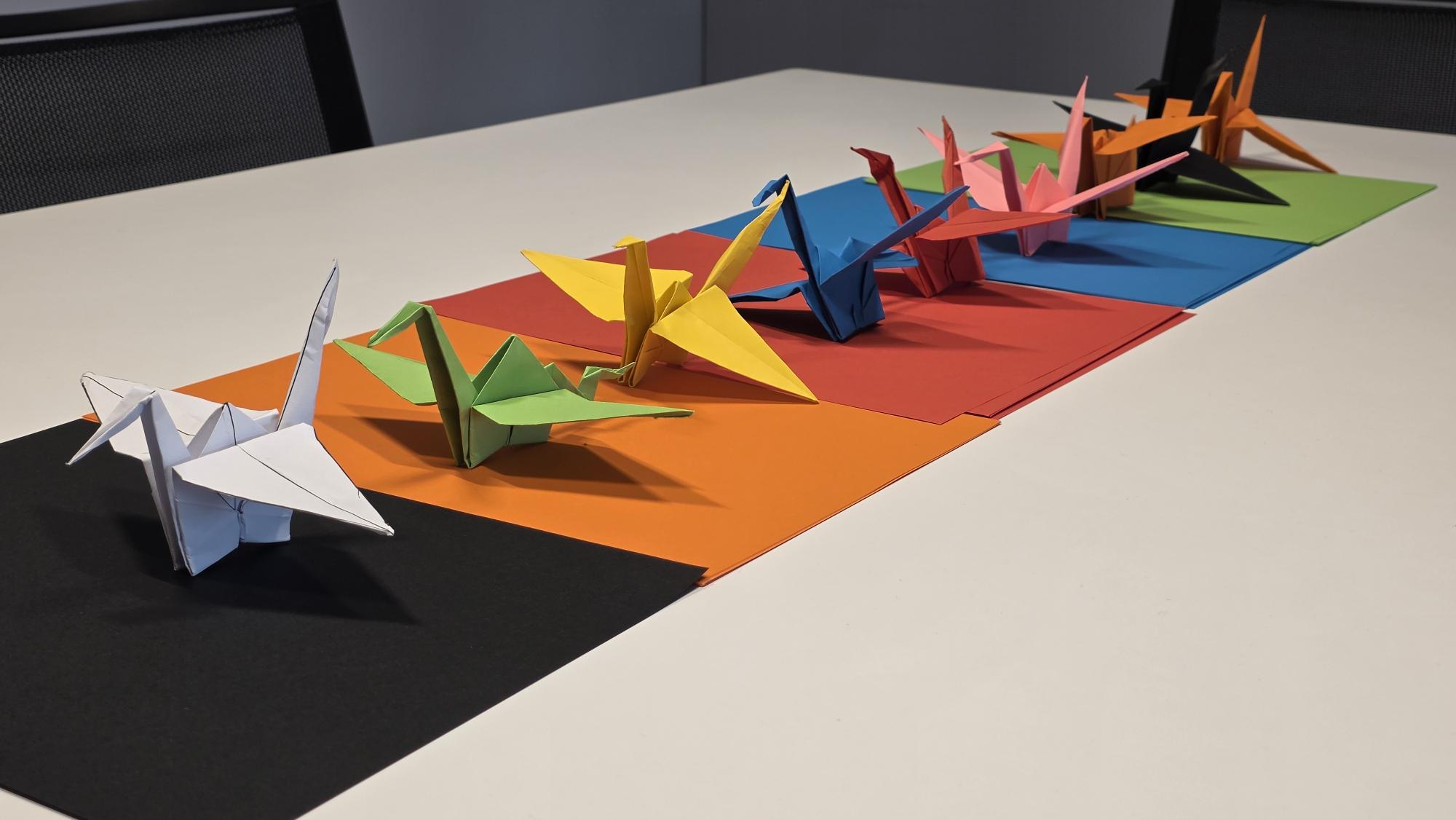
We Folded One Thousand Cranes for Children
Key Takeaways ▪ Senbazuru is a Japanese tradition of folding 1,000 paper cranes to express hope, healing, or peace.▪ The paper crane symbolizes long life and resilience in Japanese folklore.▪ Sadako Sasaki, a Hiroshima bombing survivor, made the tradition globally known while battling leukemia.▪ Her story turned the paper crane into an international symbol of []