)
)
From Dance to Values: Uncovering the Full Iceberg of Culture
)
)
Are you familiar with the “Iceberg of Culture”?
Developed by anthropologist Edward T. Hall, it shows that culture goes far beyond what we can see, shaped as much by visible expressions as by deeper, often invisible elements.
On World Day for Cultural Diversity, we’re exploring both sides of that iceberg. From language and dance to identity and communication styles, culture lives in what’s shared openly, and what lies beneath the surface.
That’s why we’ve brought together a selection of articles to help you navigate the many layers of culture around the world.
Visible expressions of culture
Languages
There are over 7,000 languages spoken on planet Earth, each one a critical tool developed over time to help humans navigate the world around them, even if that world is an isolated mountaintop shared by just a handful of people.
The world is an extremely heterogeneous place with countless multicultural societies. Why wouldn’t there be so many languages used to navigate it? Our varied surroundings have helped shape the many languages spoken by humans, but does the language we learned as children, our mother tongue, influence the way we see the world? We answer those questions in our “International Mother Language Day” blog post..
Accents
Everyone has an accent. From the moment we arrive somewhere new, our voice can be a standout. That’s because accents act as social signals: they can hint at region, community, and lived experience long before we share our full story.
However, it’s important to separate a common misconception from science: an accent isn’t a pronunciation mistake but rather a part of how speech works in real life. In fact, modern neuroscience and linguistics emphasize that the spoken language doesn’t exist without an accent. In this post, we take a dive into why we sound the way we do.
Dance
Dance is a timeless art expressed through movement. It has been used by humanity for millennia to convey meaning and emotions.
To this day, dances hold memories and wisdom from ancestral times. They’re a powerful marker of identity that transcends borders and ages, bringing cultures together. That is why many migrants use dance as a way to keep their cultural heritage alive, even when living far from home. In our article, we dive into the analysis of the cultural importance of dance.
Money
There are more than 180 official currencies in circulation, each with its own style and visual identity. Every bill and coin is a small canvas where countries honor their history, identity, and the values they want to communicate.
At Ria, we connect families and communities across borders and know that money reflects different ways of understanding the world. That’s why this article is about taking a closer look at the world’s currencies and the symbols they feature.
Traditions
Día de Los Muertos
Day of the Dead, or Día de Los Muertos, happens every year on November 1 and 2. It’s a holiday that originates from Mexico, where celebrants honor the lives of their deceased loved ones. The divide between the living and the dead is thought to dissolve, and the spirits of the dead awaken to return to feast with family and friends.
Now, the celebration has spread across the globe with many joyous traditions you can observe anywhere. In our article, we give you our top 4 ways of celebrating Dia de Los Muertos wherever you are in the world.
Christmas
Celebrated across the globe by more than two billion people, Christmas is a special time of year that brings many families together. Some of the core features of Christmas celebrations hold true in communities around the world, but other aspects of the way that the holiday is observed vary greatly between cultures.
In Colombia, Christmas is not just one special day; it’s a month-long celebration filled with vibrant customs and joyous moments. In this blog post, we explore some of the key features and facts of a Colombian Christmas. In this article, we focus on how Christmas is celebrated in the Philippines.
Eid al-Adha
Eid al-Adha, also known as Tabaski in West Africa, is one of the most important Islamic holidays. It’s a meaningful occasion to give thanks for the blessings received during the year, to spend time with family and friends, and to extend kindness and generosity to those in need.
While its origins are rooted in shared religious tradition, each country adds its own unique cultural touches to the festivities, creating a beautiful tapestry of diverse celebrations united by common values. In our article “What Is Tabaski?“, we explain what Eid al-Adha is all about and how people celebrate this holiday.
To know more about Muslim celebrations, check out our post about how to wish someone a happy Ramadan, and learn about ten popular Ramadan meals from around the world.
Diwali
Once a year, the moon looks completely different from India. With oil lamps adorning the streets during the new-moon night, the festival of Diwali has grown to become the biggest celebration in Southeast Asia.
Aside from India, countries like Nepal, Sri Lanka, Singapore, Malaysia, Fiji, Suriname, Guyana, and Trinidad and Tobago also celebrate Diwali. But, why? We explain it all in our article “Diwali: The Hindu Festival of Lights”.
To know more about Hindu traditions, check out our post about Dashain, the world-famous 15-day spiritual festival also celebrated by Buddhists and those of Kirati descent in Nepal.
Pilgrimages
A pilgrimage is a journey that a person undertakes in search of deeper personal or spiritual understanding. Throughout history, pilgrimages have often been linked to religious belief, with pilgrims traveling – sometimes great distances – to places with special significance for believers of their faith.
In our article, we go over a few examples of the most popular religious pilgrimages around the world, often undertaken by both believers and travelers looking for a unique cultural experience.
Invisible layers of culture
Cultural Frameworks
We may not give it much thought, but our culture — the customs, traditions, and social conventions of the country or region where we were raised — plays a significant role in how we live, shaping our behavior and relationships; and have a profound impact on our sense of self.
Distinct groups of people may interpret the world around them quite differently from others. It is that unique worldview that helps explain the cultural variations from one society to the next. But what shapes our worldview? We explain it all in our article “How does culture impact the way we live and work?”.
Communication
We live in a multicultural world where our partner, our neighbor, and our colleague may all come from different countries. And because of this diversity, effective intercultural communication is vital.
Luckily for us, American anthropologist Edward T. Hall had begun studying cultural differences as early as the 1930s. In this post, we’ll explore how Hall’s findings can help us strengthen our communication skills to build stronger bonds and better understand each other.
Cultural Identity
If you’ve ever visited a foreign country, you probably noticed a myriad of cultural differences. They can range from the way you greet people to the holidays you celebrate. Or from the way you perceive time to how you communicate with others.
While adapting to your new home is important, staying connected to your culture is also key for your well-being. It’s a way to honor your heritage, build community, find support, and foster a sense of belonging. In this article, we share creative tips to celebrate your culture and keep your connections alive while living abroad.
You can also explore some of our posts on Peru, Panama, Australia, Nicaragua, Pakistan, Brazil, Dominican Republic, Mexico, India…
Values
Beyond how culture is expressed or even how it shapes our thinking, it is also grounded in values, the principles that guide how people live, relate to others, and make decisions. One example of how these values are expressed can be found in the observance of Ramadan.
For over a billion Muslims worldwide, Ramadan is more than a time of fasting—it is a month rooted in reflection, discipline, and generosity. It invites individuals to slow down, practice self-control, and strengthen their sense of community and compassion for others.
In our article “What is Ramadan and why is it important?”, we explore the deeper meaning of this sacred month. You can also read about the importance of giving in this article about Zakat and Sadaqah.
About the author

Chiara Boutot
Chiara Boutot is a French content specialist who specializes in writing about the human side of finance, migration and living abroad.
Related posts

Living in Japan as a Foreigner: How to Read the Room and Feel at Home
Japan always leaves a strong impression on those who visit the country. Its cities are clean and efficient, public transport is known to be reliable, and everyday life often feels remarkably organized. These factors make it easy to understand why so many people choose moving to Japan as a foreigner: to live, work or study
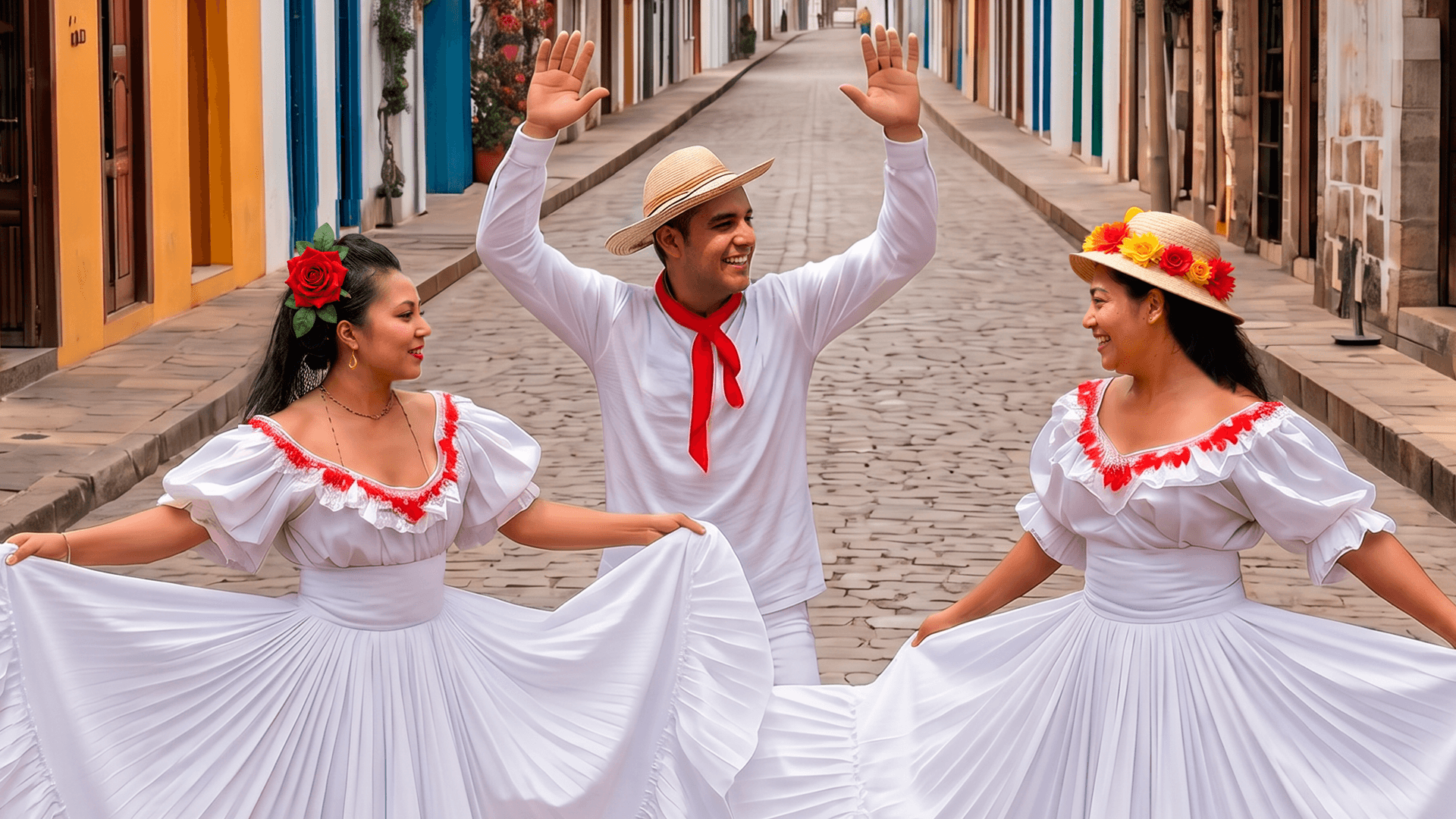
International Dance Day: How Movement Connects Cultures
Dance is a timeless art expressed through movement. It has been used by humanity for millennia to convey meaning and emotions. To this day, dances hold memories and wisdom from ancestral times. They’re a powerful marker of identity that transcends borders and ages, bringing cultures together. That is why many migrants use dance as way []
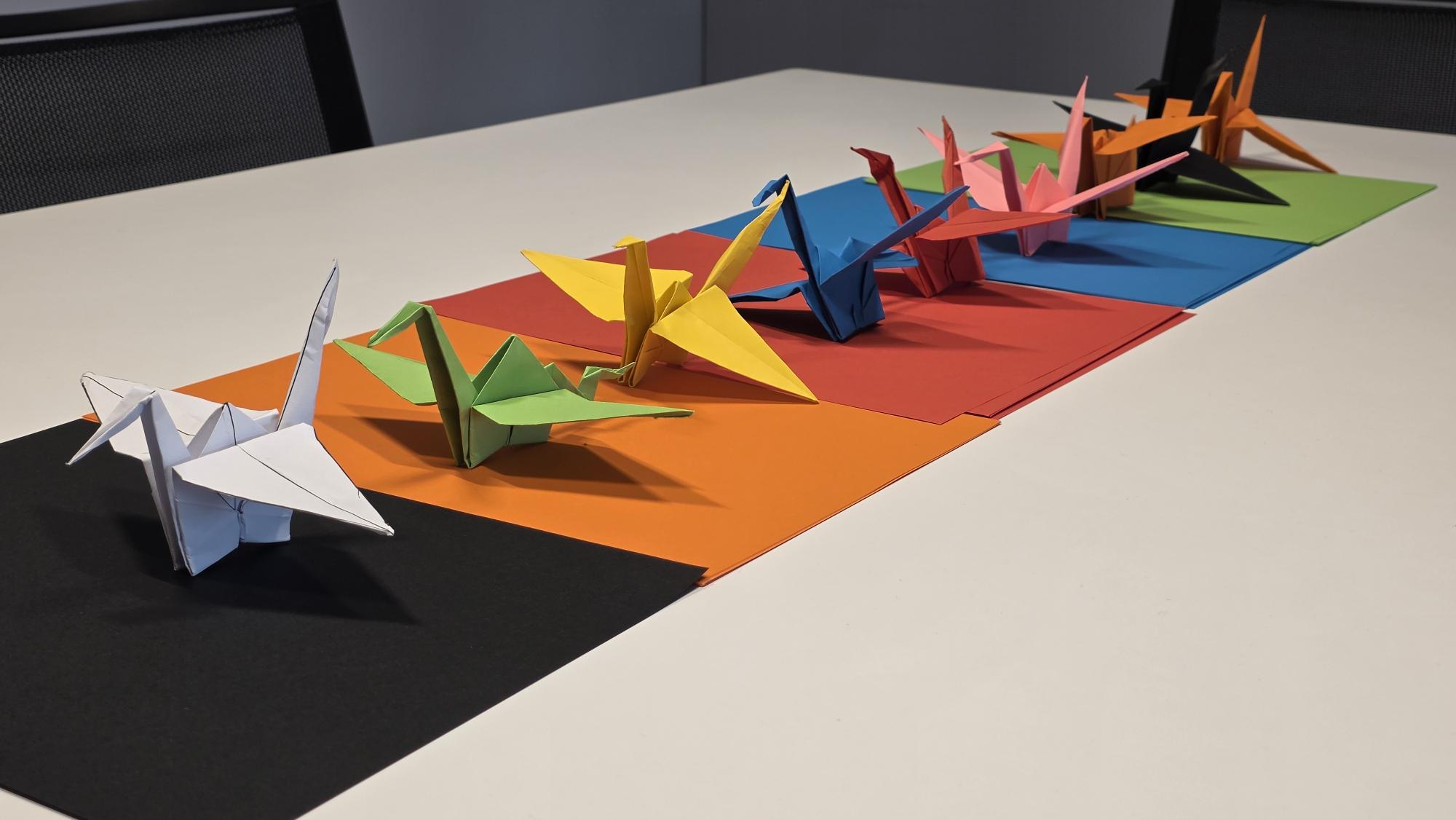
We Folded One Thousand Cranes for Children
Key Takeaways ▪ Senbazuru is a Japanese tradition of folding 1,000 paper cranes to express hope, healing, or peace.▪ The paper crane symbolizes long life and resilience in Japanese folklore.▪ Sadako Sasaki, a Hiroshima bombing survivor, made the tradition globally known while battling leukemia.▪ Her story turned the paper crane into an international symbol of []
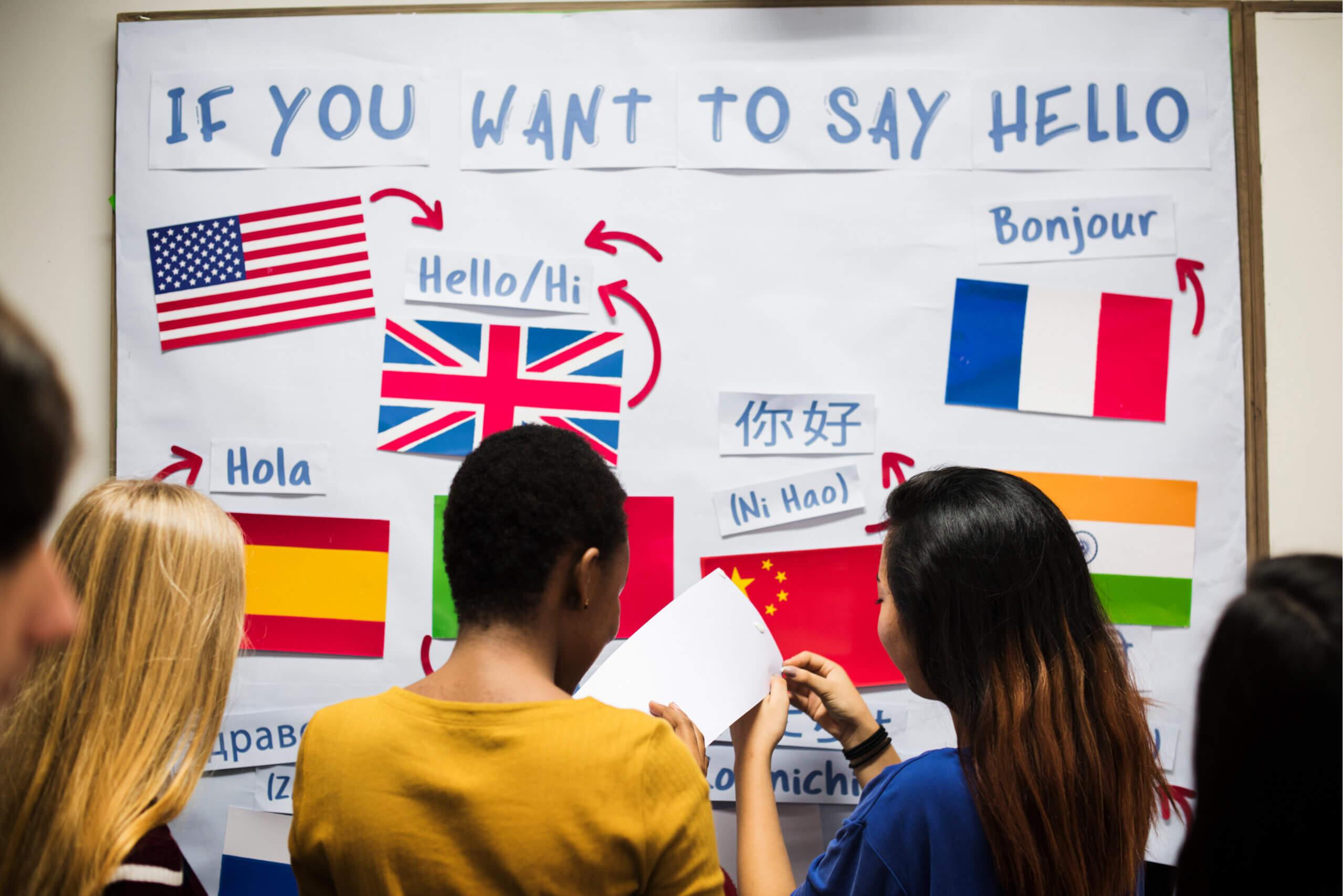
The Science of Accents: Why We Sound Different Abroad
Everyone has an accent. From the moment we arrive somewhere new, our voice can be a standout. That’s because accents act as social signals: they can hint at region, community, and lived experience long before we share our full story. However, it’s important to separate a common misconception from science: an accent isn’t a pronunciation []