)
)
Festivals in Latin America
)
)
Latin America has some of the liveliest, most vibrant, and joyous festivals seen anywhere in the world. Maybe when you think about festivals in Latin America (LATAM), you picture Día de Los Muertos in Mexico or the Carnaval, which takes place in Brazil. They are two of the most famous festivals and have been featured in various forms of pop culture, from movies to music videos. But that’s just the tip of the iceberg. In this article, we’ll help you understand why Latin America is known for its annual festivals, taking a deep dive into some of our top picks. Some you’ll surely know, and others may be less familiar to you. If we miss any of your favorites, let us know in the comments!
So, without further ado…
Inti Raymi (Peru)
The Inti Raymi or Fiesta del Sol is likely one of Peru’s most popular festivals. It’s a religious festival that takes place on June 24th each year to mark the middle of winter in the southern hemisphere and a time of harvest. Inti Raymi’s origins date back to the Inca period in 13th-century Peru. Each year in the northern outskirts of Cusco, people flock to Sacsayhuamán, the citadel where the festival takes place, and which was once the Inca Empire’s capital. The Inti Raymi is a majestic celebration that, to this day, reenacts the worship to the sun God through traditional dance, music, and a coming together of all people.
The festival consists of three acts spread out over a day. The first act begins in Coricancha, the Inca Empire’s religious center. Here people make offerings of dance and song to the Inti (Sun God).
After the first act is completed, people make their way to the Plaza de Armas. This site holds significant value as the place where the most prominent figures of the empire would meet on the eve of Inti’s arrival.
The conclusion to this religious festival is held in the fields of the Sacsayhuamán fortress and, as you may imagine, it is the most important part of the celebration. The Inca arrives to pay his respects to the sun God and a sacrifice is simulated. The sacrifice is ‘made’ in the hope that their shaman can predict a prosperous year ahead.
The Inti Raymi is free to attend, just make sure to get there early if you want the best view.
Festival of the flowers (Colombia)
The first Flower Festival was held over 60 years ago on May 1, 1957, in Medellin, Colombia. With humble beginnings, the first parade was put together by around 30 flower bearers from the town of Santa Elena, roughly 9 kilometers from Medellin. Today the parade sees over 500 flower bearers showing their work with the hopes of being crowned the Grand Prize Winner. Before the parade can begin, each of the ‘silletas’ (flower bearer) is judged. First place has the honor of leading the parade, with the rest of the placements following in descending order.
The ‘Silleteros’ parade, named after the flower bearers or silleteros, is marched over 2.3km, no small feat if you are carrying between 50 and 120 kilograms of flowers. Fortunately, the wooden ‘backpacks’ that are built to carry the flowers also have legs so a break can be taken when needed.
It’s not just flowers in the parade either. Marching bands and traditional dances further exemplify the beauty of the floral showing. If you can travel, this is one of the few on our list that is happening soon. The festival of flowers takes place annually in August and it’s bound to be a sight and smell to behold. Also, Colombia celebrates their Independence Day at the end of July, so if you can arrive a little earlier, you can experience two magical holidays celebrated in Latin America in the same trip.
Carnaval (Brazil)
It is believed that the word Carnaval is derived from the Italian expression carne vale meaning goodbye meat. It makes sense when you think about it, and what better way to prepare for a period of fasting than to have a massive 5-day countrywide party? While many countries celebrate the coming of lent, perhaps none are as grand or well-known as Brazil’s Carnaval. Brazil has its roots grounded in religion and despite what you might think at first glance, Carnaval is a religious holiday.
As a tourist, you’ll probably go to the main paid events of Carnaval. These events are enormous, traditional parades with music, lights, dancers, and floats. Huge birds, dragons, gods, or even football-related floats take prominence in the street. A remarkable sight!
Block parties or blocos, as they are called locally, are organized by residents of different neighborhoods. Blocos originated as smaller parties for the locals to unwind away from the busy tourist-filled streets of the main event.
As the festivities last for five days it would be a good idea to check out some of the smaller parades and parties that happen. While in some cases you may find block parties that have a close-knit feel, there are those which have grown immensely and have become paid events, not so dissimilar to the main Carnaval, and they have also started to attract local performers to further set them apart from the more local block parties.
Carnaval will next be celebrated on March 2, 2022, Covid permitting.
Día de Los Muertos (Mexico)
Perhaps one of the most well-known annual festivals in the world, Día de Los Muertos is celebrated on the eve of October 31st and continues through the 1st and 2nd of November. Its purpose is to honor the lives of deceased family members, friends, and loved ones. Although predominantly celebrated in Mexico, it is celebrated by expat groups around the world. Día de Los Muertos is a joyous occasion that gives each phase of life its own special importance and significance. It encompasses the journey each of us takes in our lives.
Great food, live music, energetic dances, and the coming together of people is what traditions and celebrations in Latin America are all about. Día de Los Muertos is no exception! One aspect of the festivity that has evolved over time is the calavera de azucar or sugar skull. Traditionally families would use sugar to mold skulls of their loved ones and then decorated them. They would be adorned with brightly colored paint, beads, precious stones, beautiful feathers, and any other decoration that could enhance the design. Before placing the skull on a type of altar called an ofrenda, the deceased family member’s name would be written on the forehead of the sugar skull. Once on the altar, the skull would be surrounded by various objects, food, drinks, and flowers that their beloved family member would like. Now, this tradition has evolved into the face painting that you may have seen and has become synonymous with the festival.
While you’re here, don’t forget to check out our blog post that takes a deeper look into the traditions of Día de Los Muertos.
And there you have it! We hope you’ve enjoyed learning about these different Latin American festivals. If you’d like to send money to your loved ones to help them prepare for any of these celebrations, the Ria Money Transfer app is at your service – download it today!
For more info: comms@riamoneytransfer.com
About the author

Gabrielle van Welie
Gabrielle van Welie is Ria's Global Content Manager. Originally from Dominican Republic, she specializes in the cultural impact of remittances and migration across the globe.
Related posts

Living in Japan as a Foreigner: How to Read the Room and Feel at Home
Japan always leaves a strong impression on those who visit the country. Its cities are clean and efficient, public transport is known to be reliable, and everyday life often feels remarkably organized. These factors make it easy to understand why so many people choose moving to Japan as a foreigner: to live, work or study
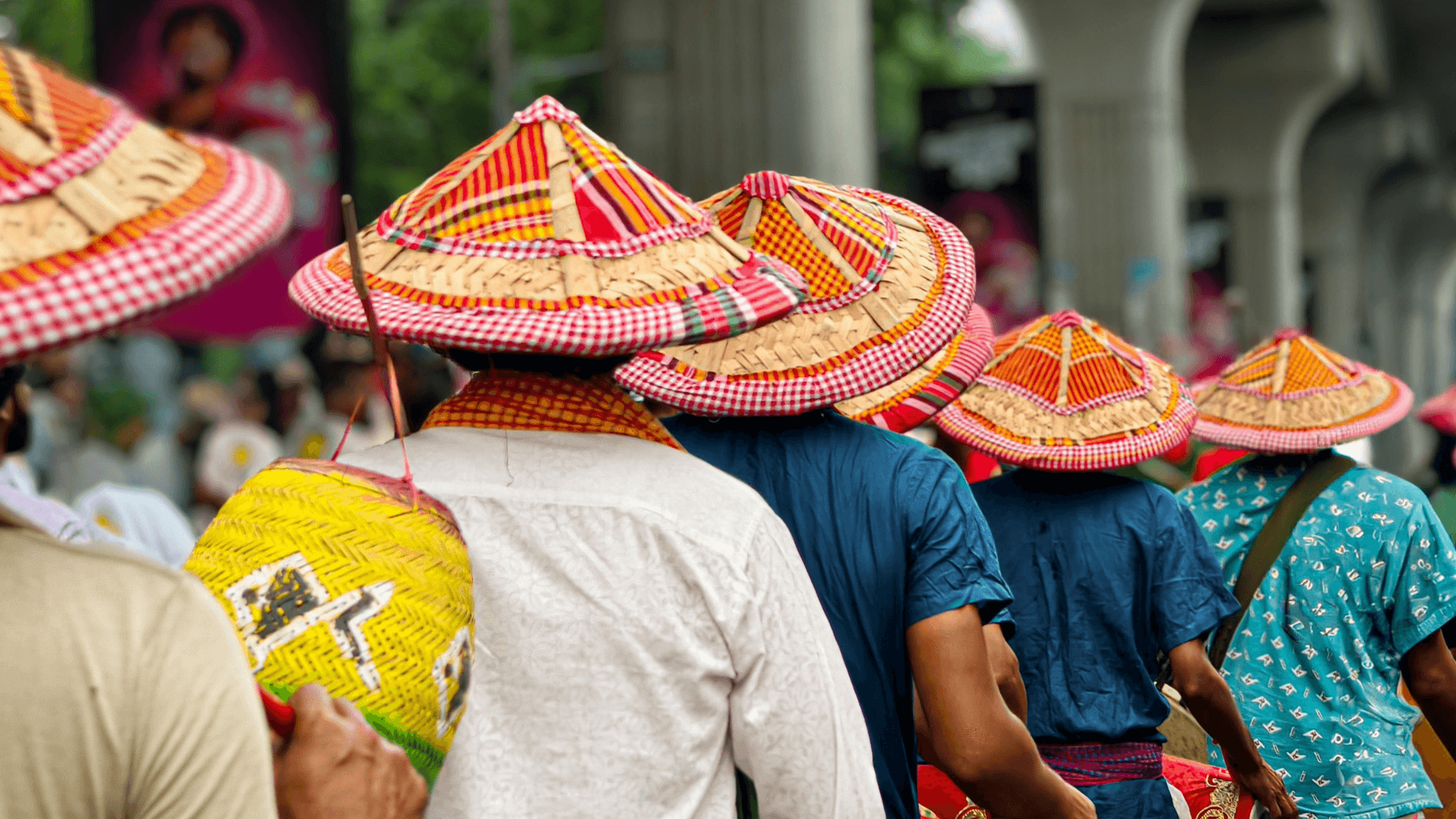
From Dance to Values: Uncovering the Full Iceberg of Culture
Are you familiar with the “Iceberg of Culture”? Developed by anthropologist Edward T. Hall, it shows that culture goes far beyond what we can see, shaped as much by visible expressions as by deeper, often invisible elements. On World Day for Cultural Diversity, we’re exploring both sides of that iceberg. From language and dance to []
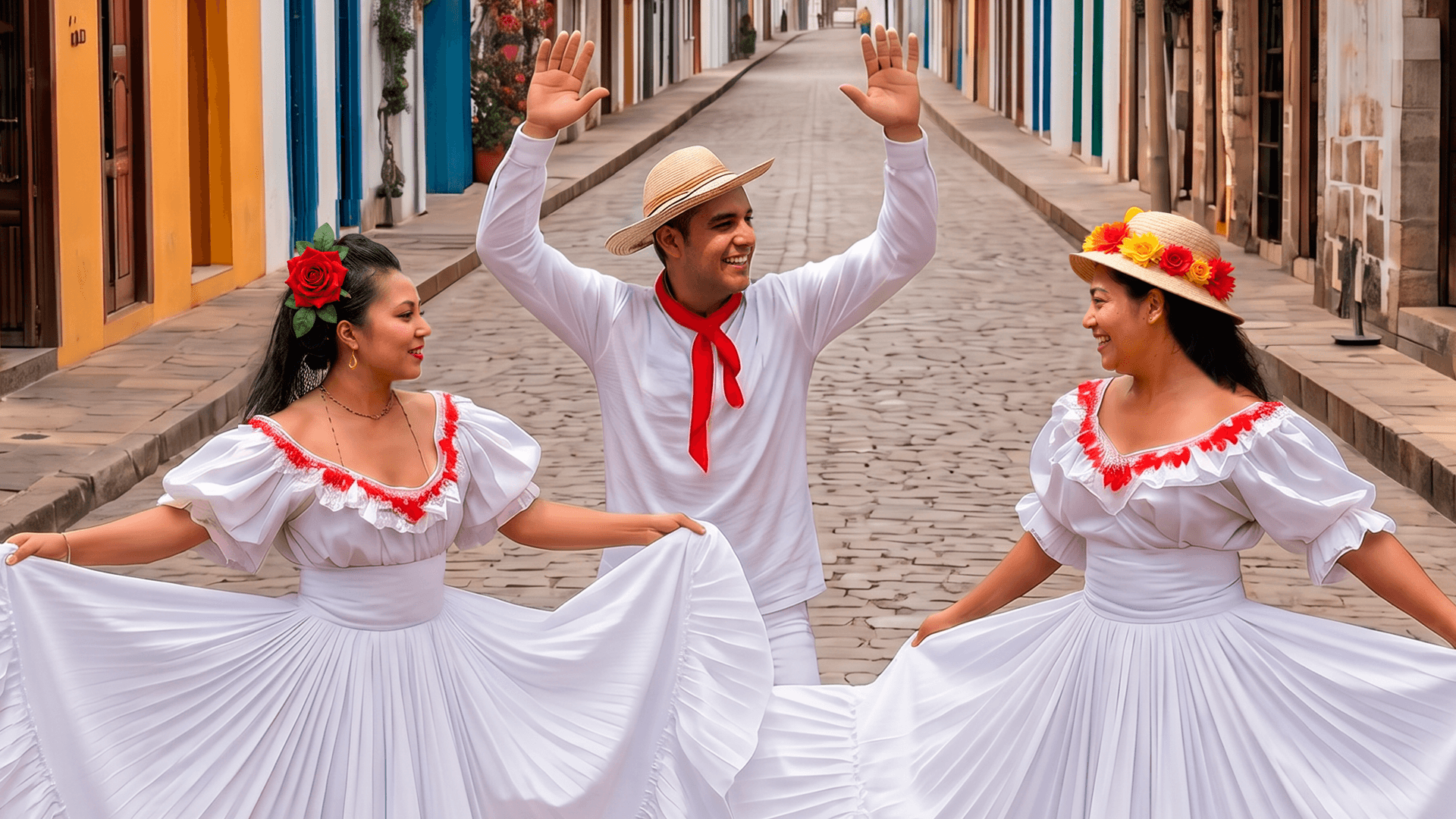
International Dance Day: How Movement Connects Cultures
Dance is a timeless art expressed through movement. It has been used by humanity for millennia to convey meaning and emotions. To this day, dances hold memories and wisdom from ancestral times. They’re a powerful marker of identity that transcends borders and ages, bringing cultures together. That is why many migrants use dance as way []
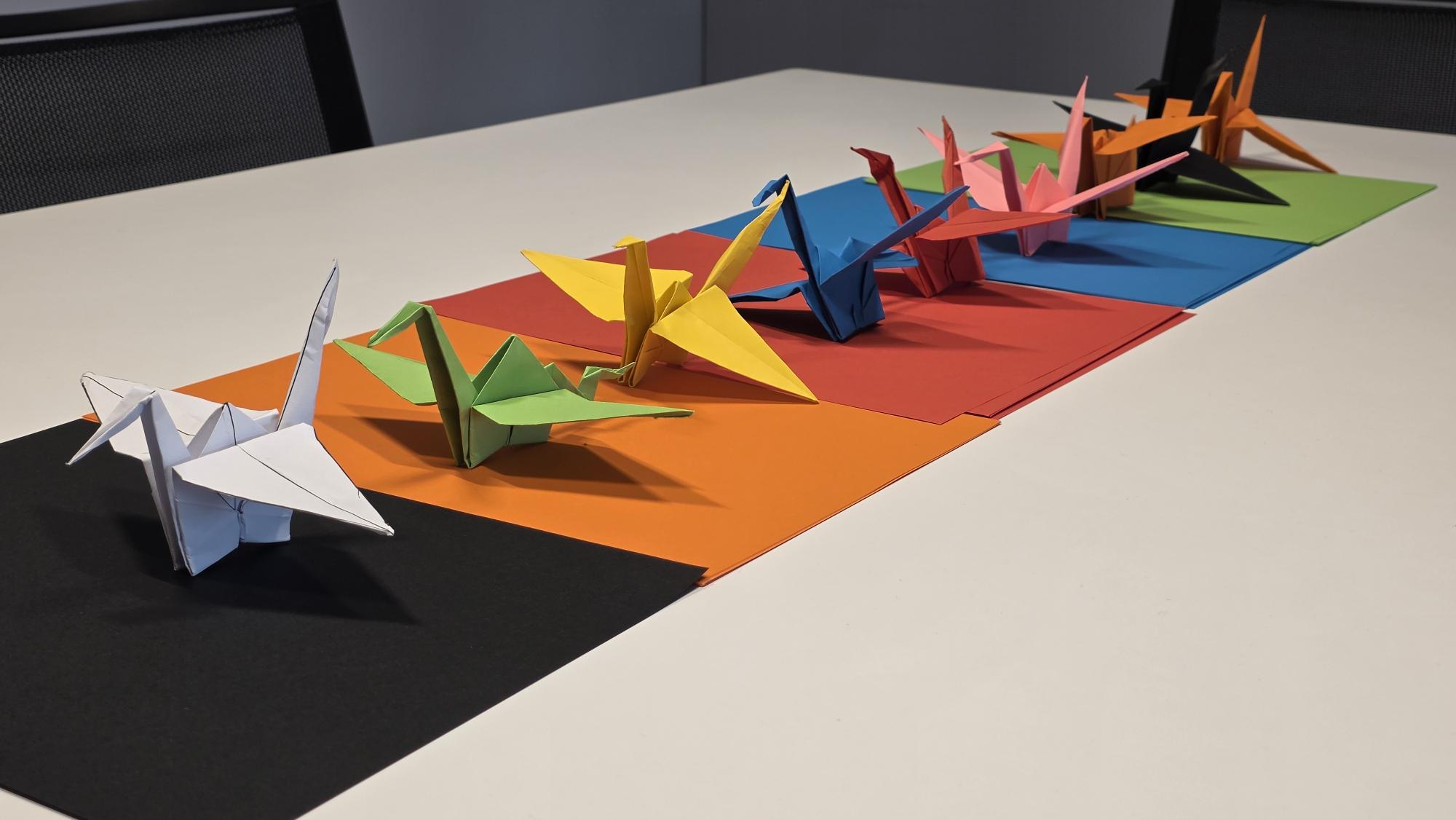
We Folded One Thousand Cranes for Children
Key Takeaways ▪ Senbazuru is a Japanese tradition of folding 1,000 paper cranes to express hope, healing, or peace.▪ The paper crane symbolizes long life and resilience in Japanese folklore.▪ Sadako Sasaki, a Hiroshima bombing survivor, made the tradition globally known while battling leukemia.▪ Her story turned the paper crane into an international symbol of []