)
)
The Power of Mom’s Cooking: Connecting Cultures and Generations Through Food Nostalgia

Whether it’s some empanadas made far from home or a simple ratatouille that transports us to the past, we can all agree that our mothers’ cooking has the power to take us back to our fondest childhood memories. In fact, this phenomenon is intrinsically human, and it’s rooted in history, culture, and even psychology.
The existing relationship between food and immigration is strong, important and one that’s becoming more and more common. Many migrants often go to great lengths to recreate family recipes to feel closer to home, going as far as scouting out specialized grocery stores. But oftentimes what we really miss is the love that went into the cooking process.
For this Mother’s Day, let’s dive deeper into the nostalgia food evokes and the effect it has on migrants.
Food Nostalgia: Whisking Up Memories
One of the emotional effects food can have on people is something called involuntary memory. This concept relates to being instantly transported back to a memory when coming into contact with a trigger, such as a taste or smell.
The maximum exponent of involuntary memory can be found in Marcel Proust’s 20th century novel In Search of Lost Time, whose protagonist eats a madeleine and is reminded of a long-forgotten childhood memory.
But it’s not something that Proust made up. In fact, there’s academic research and evidence behind this nostalgic feeling, particularly when it comes to eating food, though the research is multifaceted and far from being a black and white picture.
Oven-ready memories: how food involves our brains
In a BBC article on the subject of food nostalgia, developmental clinical psychologist Susan Krauss Whitbourne commented that memories of food involve very basic areas of the brain which bypass our conscious awareness, which is why we have emotional reactions to eating the food connected to our recollections.
But Whitbourne also stated these memories can become associated with the activities related to and involved in the actual act of cooking the food, not just eating it. For example, she said that being taught to make chocolate cupcakes by a family member becomes part of a larger experience with that person.
Simply put, both the act of eating and preparing food can instantly take us back to a past memory that we directly relate to whatever dish we happen to be making or consuming. For example, cooking traditional dishes like borscht can still make our colleague Valeriia feel closer to home, even though she left Ukraine at 17.
For Whitbourne, family meals of the past are more emotionally meaningful when we associate them with recognizable smells and tastes, which for many migrants can be vastly different from what they’re experiencing in the present. But when it comes to food, nostalgia isn’t the only thing at play. Migrants can also use food as a tool to feel more grounded in their new home.
A sense of always belonging: connecting cultures through cooking
Though it may seem strange, migrants feel better or more comfortable acclimatizing to the country they’ve just arrived in when they cook dishes from their countries of origin.
In her study, Culinary Nostalgia: Authenticity, Nationalism, and Diaspora, Anita Mannur observed several ways that migrants use food to remain connected to their culture. They experience and recreate the authentic flavours and smells of their past, which help transport them back to their homeland, but that in turn helps amplify their sense of belonging in their newly adopted country.
Migrants also keep up certain cultural practices such as different ways of preparing food, which has been passed down generations. Likewise, cultural knowledge is shared through their meals, as cooking with or for other people allows them to both stay connected to home and integrate more easily with their new one.
Mannur said that another way migrants can connect to their country is by going out and attempting to source ingredients from back home. As they do that, they embark on a sort of symbolic but practical quest, which aids them in their search of continuity, despite the challenges of the new life abroad.
In Approaches to Food and Migration: Rootedness, Being and Belonging, Emma-Jayne Abbots doubles down on the same idea. For migrants, who are subjected to a range of influences in their everyday lives, food plays a significant role in anchoring them to their new home, despite the nostalgia for their country of origin.
In essence, a migrant who tends to cook or eat traditional dishes that they had whilst growing up can more easily adapt to their new environment while preserving their cultural heritage.
Ria’s Mother’s Day Campaign: Long-Distance Recipes
For some of us, the emotional connection to our family’s food is so powerful that it’s hard to leave out certain elements from meals to the point that they may otherwise feel empty. For example, you might feel the need to add salt to your morning porridge or have a small side salad with your evening meal.
In Cheikh’s case, that would be rice, which is to this day is a staple in his diet and is one of those ingredients through which, no matter the distance, he still feels that connection to home.
And that’s exactly the message we wanted to transmit through this year’s Mother’s Day campaign. We produced a powerful video that reflects on the connection between migrants, food and the love that knows no bounds.
It follows a young migrant woman as she attempts to recreate her mom’s empanadas, only to realize she was following the recipe too closely as opposed to eyeballing it like her mother does. But in the end, it’s the love that goes into making the empanadas that helps our protagonist crack the code and feel connected to her mom regardless of the distance.
Looking to share the love this Mother’s Day? Visit any of our locations or download the Ria Money Transfer App to get started.
About the author

Shay Conaghan
Your friendly neighbourhood Content writer. Scottish-Spanish, or something along those lines.
Related posts
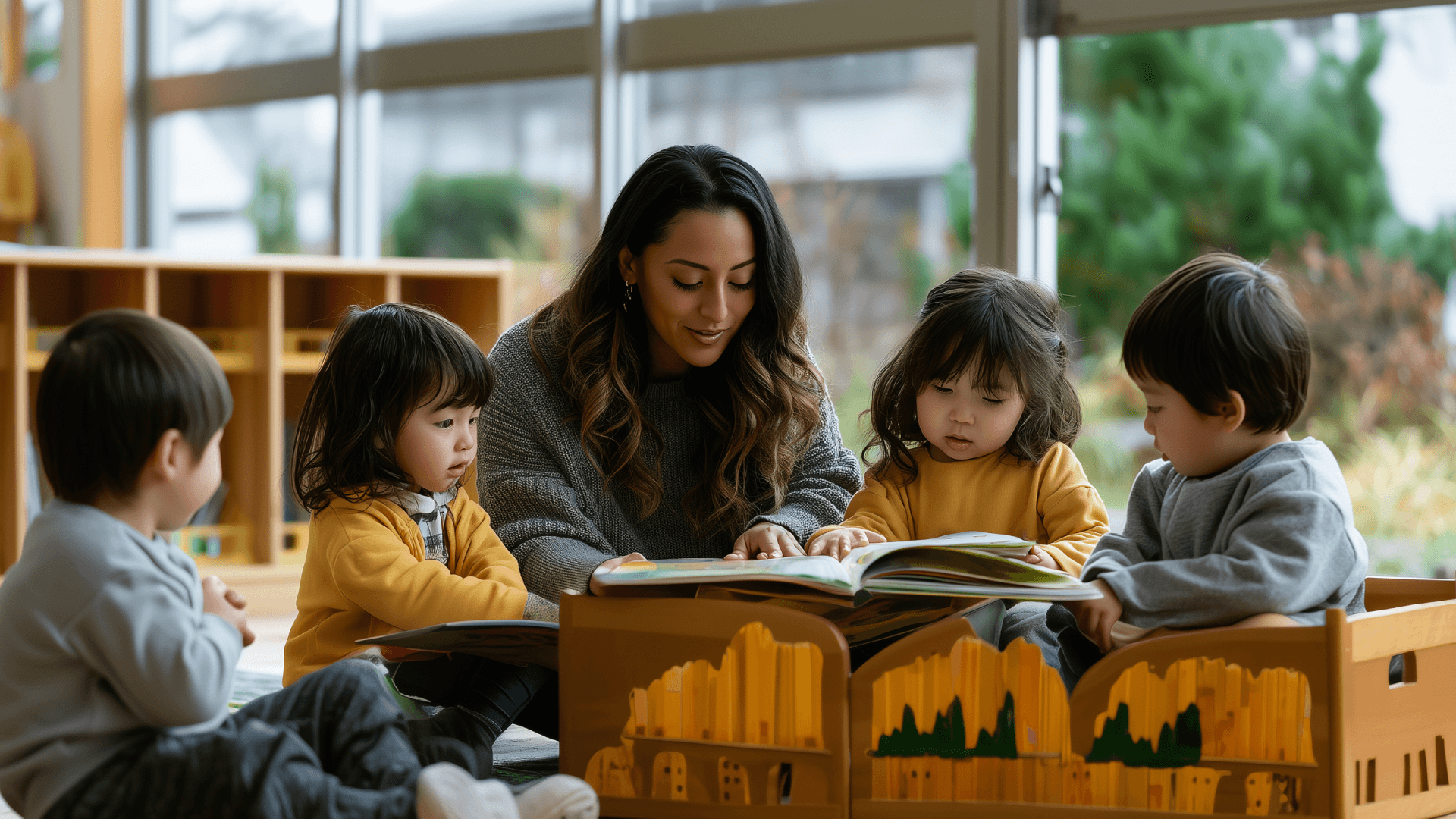
Living in Japan as a Foreigner: How to Read the Room and Feel at Home
Japan always leaves a strong impression on those who visit the country. Its cities are clean and efficient, public transport is known to be reliable, and everyday life often feels remarkably organized. These factors make it easy to understand why so many people choose moving to Japan as a foreigner: to live, work or study
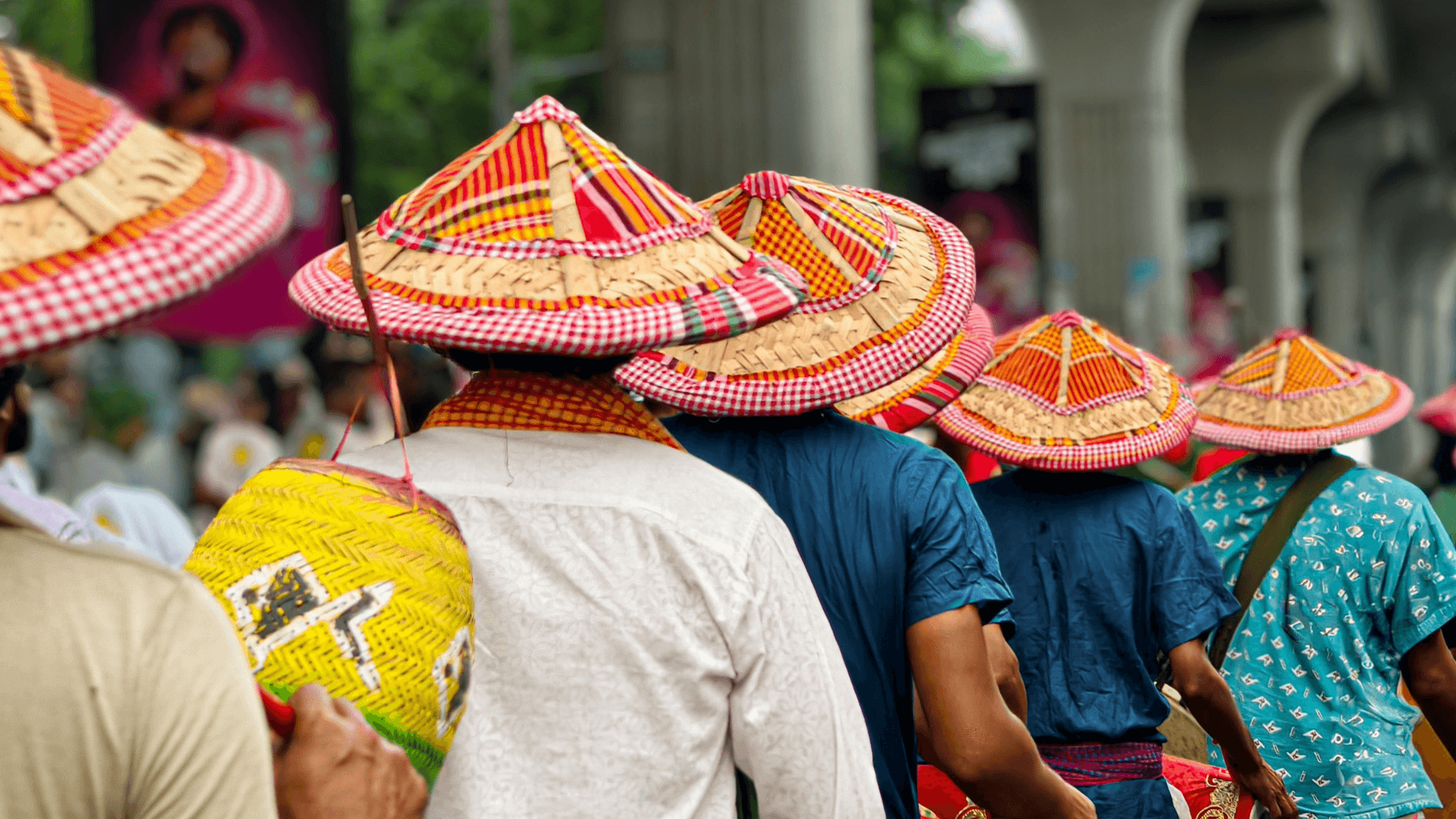
From Dance to Values: Uncovering the Full Iceberg of Culture
Are you familiar with the “Iceberg of Culture”? Developed by anthropologist Edward T. Hall, it shows that culture goes far beyond what we can see, shaped as much by visible expressions as by deeper, often invisible elements. On World Day for Cultural Diversity, we’re exploring both sides of that iceberg. From language and dance to []
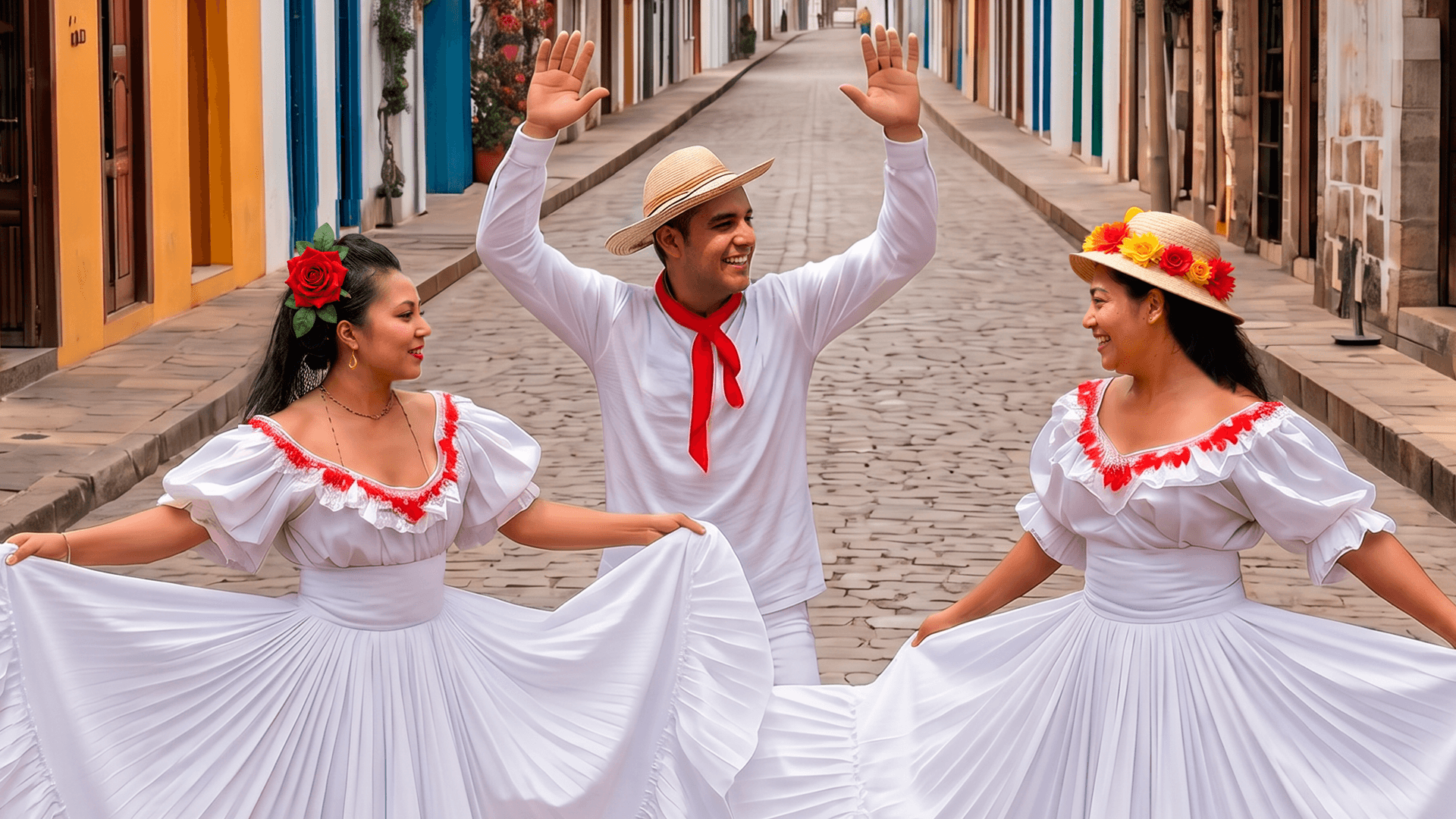
International Dance Day: How Movement Connects Cultures
Dance is a timeless art expressed through movement. It has been used by humanity for millennia to convey meaning and emotions. To this day, dances hold memories and wisdom from ancestral times. They’re a powerful marker of identity that transcends borders and ages, bringing cultures together. That is why many migrants use dance as way []
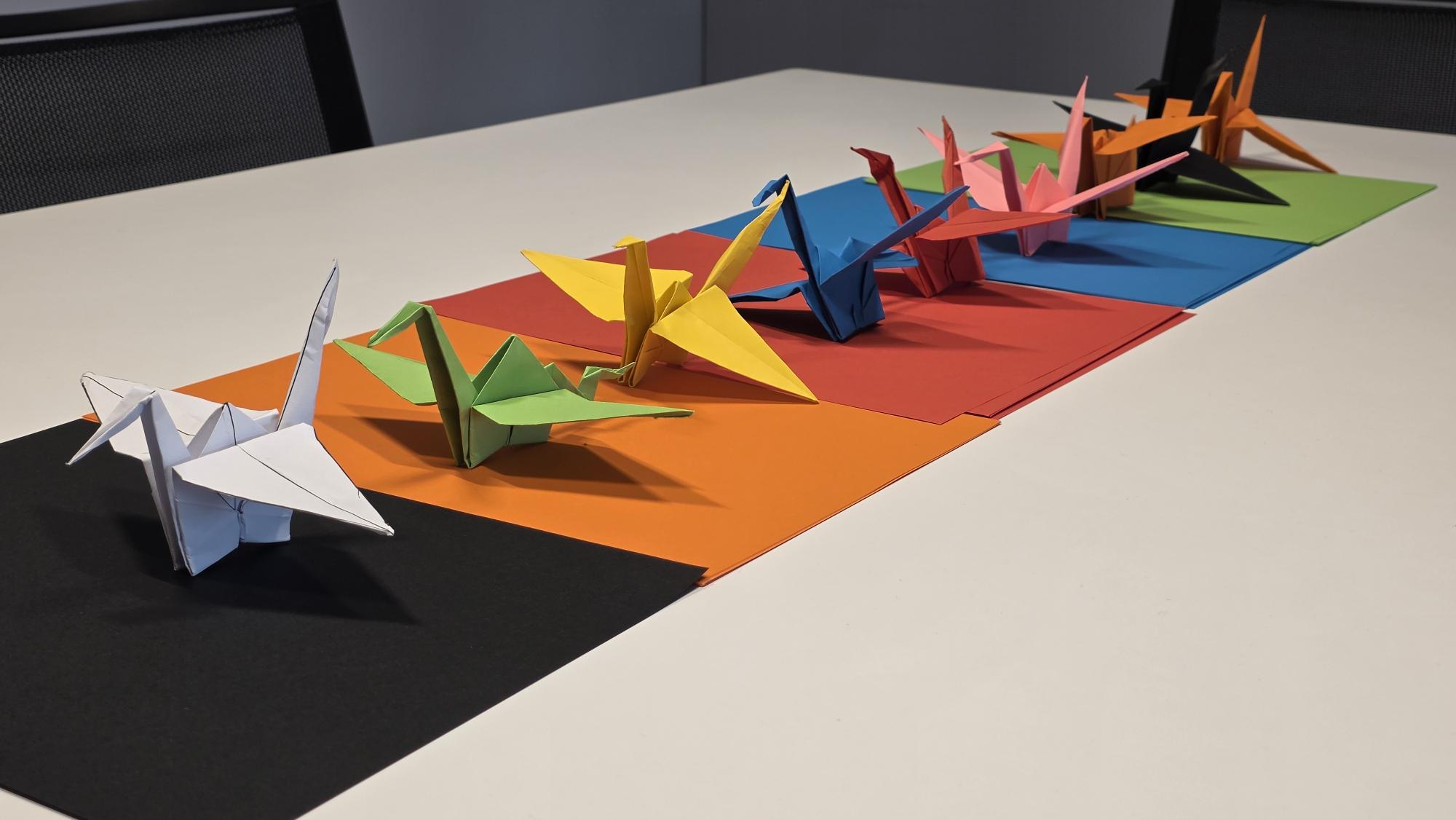
We Folded One Thousand Cranes for Children
Key Takeaways ▪ Senbazuru is a Japanese tradition of folding 1,000 paper cranes to express hope, healing, or peace.▪ The paper crane symbolizes long life and resilience in Japanese folklore.▪ Sadako Sasaki, a Hiroshima bombing survivor, made the tradition globally known while battling leukemia.▪ Her story turned the paper crane into an international symbol of []