)
)
The Rise and Passion of Baseball in Mexico
)
)
Baseball holds a special place at the heart of Mexican sports culture, intertwined with the nation’s history. While the country is football-mad and it often dominates headlines, baseball in Mexico has also cultivated a deep following with a growing presence.
From its early beginnings to the rise of Mexican MLB players, the Mexican baseball scene continues to flourish, particularly with the hosting of the Serie del Caribe 2025 presented by Ria Money Transfer, which starts tomorrow.
The History of Baseball in Mexico, including Major Leagues
Unlike fellow baseball loving countries like Dominican Republic, Venezuela or Puerto Rico, the origin of baseball in Mexico is unclear. It is thought to have been introduced by American soldiers in the 19th century during the Mexican-American War. The war was followed by decades of American investment in Mexico, which further proliferated the adoption of the sport.
The formation of organized leagues marked a significant milestone in Mexican baseball evolution because it solidified the sport’s presence in Mexican culture. In 1925, the Mexican Baseball League (Liga Mexicana de Beisbol) was created and remains active to this day, featuring famous teams such as Diablos Rojos del México or Sultanes de Monterrey.
The league also became a safe space for Black players to thrive, given that they faced segregation in the United States and weren’t able to play in the Major League Baseball due to the existing color line.
There is also a complimenting competition to the LMB, the Mexican Pacific League (LMP, or Liga Mexicana del Pacífico), which is an independent winter league, as opposed to the summer months that the LMB plays in, with the winner of the league securing qualification to the prestigious Serie Del Caribe.
Notable Mexican Baseball Players
Though there has never been a Mexican to make it into the MLB Hall of Fame, the country has still produced a wealth of baseball talent, including stars and a few legends, leaving a significant mark on the international stage.
Historic figures include Fernando Valenzuela, who exploded onto the scene for the Los Angeles Dodgers in the 1980s and sparked “Fernandomania”. This helped revolutionize baseball’s popularity among Mexican and Latino fans, as the sport’s reach was hugely amplified by the expansion of television and the broadcasting of Dodgers games in Mexico.
In today’s era, famous Mexican baseball players like Julio Urías, who also plays for the Dodgers as a standout pitcher, or Alejandro Kirk, a catcher for the Toronto Blue Jays, continue to cement Mexico’s reputation as the origin country of top players in the MLB.
Meanwhile, upcoming prospects like Isaac Paredes (Tampa Bay Rays) and Luis Urías (Boston Red Sox) further symbolize the ongoing growth of Mexican talent in the MLB. Their success stories will inspire many young Mexican players to pursue baseball professionally, contributing to the sport’s domestic expansion, in search of a better life.
Despite no Mexican ever making it into the MLB Hall of Fame, Mexico created their own Hall of Fame to honor players. Dubbed “Los Inmortales”, it includes those who most contributed to the country’s game, inducting over 200 players since 1939.
The Vibrant Culture of Baseball in Mexico
The passion for baseball in Mexico is palpable. Stadiums across the country come alive with Mexican traditions: vibrant chants, mariachi bands and dedicated fan sections. Baseball stadiums like Estadio Alfredo Harp Helú or Estadio de Béisbol Monterrey offer modern facilities and electrifying atmospheres, earning their status as iconic baseball destinations.
Special events such as the Clásico de la LMB —the match played between fierce rivals Diablos Rojos and Tigres de Quintana Roo—and games against teams from the United States all help to enhance the sport’s appeal.
Additionally, merchandise like the iconic Mexico baseball jersey have become increasingly popular, allowing fans to proudly represent their teams and heritage.
Internationally, Mexico’s baseball teams have demonstrated to be a competitive force. Their consistent participation in the Serie del Caribe since 1971 highlights their presence in Latin American baseball. Naranjeros de Hermosillo were the first Mexican team to win the tournament in 1976, repeating the feat in 2014.
Other Mexican teams to have also taken the Caribbean crown are Tomateros de Culiacán (1996, 2002), Yaquis de Obregón (2011, 2013), Venados de Mazatlán (2005, 2016) and Águilas de Mexicali (1986), who will also be hosting the upcoming edition at their recently revamped stadium El Nido.
Mexico’s national team has also shown strength in global competitions, such as the World Baseball Classic, where they finished in 3rd place in 2023. The Mexican team is currently ranked 4th in the World Rankings.
The Future of Baseball in Mexico
Baseball in Mexico is experiencing a surge and is now focusing on nurturing young talent and investing in better facilities. An increased investment in youth development programs, the opening of baseball schools or empowerment through non-profits like Project Béisbol are all positive steps in the right direction for growth.
Additionally, the increase of Mexico’s participation in global events, such as the World Baseball Classic and triumphs in the Serie del Caribe over the last decade, signal a rising competitive edge.
As the sport evolves, so does its fanbase, blending traditional support with modern enthusiasm. Whether through attending an LMB summer game or supporting an LMP team in the Caribbean Series, baseball in Mexico remains a tradition with a promising future.
Be sure to follow us on social media to stay updated on Mexican baseball and international competitions like the Serie del Caribe 2025 presented by Ria Money Transfer.
About the author

Shay Conaghan
Your friendly neighbourhood Content writer. Scottish-Spanish, or something along those lines.
Related posts

Living in Japan as a Foreigner: How to Read the Room and Feel at Home
Japan always leaves a strong impression on those who visit the country. Its cities are clean and efficient, public transport is known to be reliable, and everyday life often feels remarkably organized. These factors make it easy to understand why so many people choose moving to Japan as a foreigner: to live, work or study
From Dance to Values: Uncovering the Full Iceberg of Culture
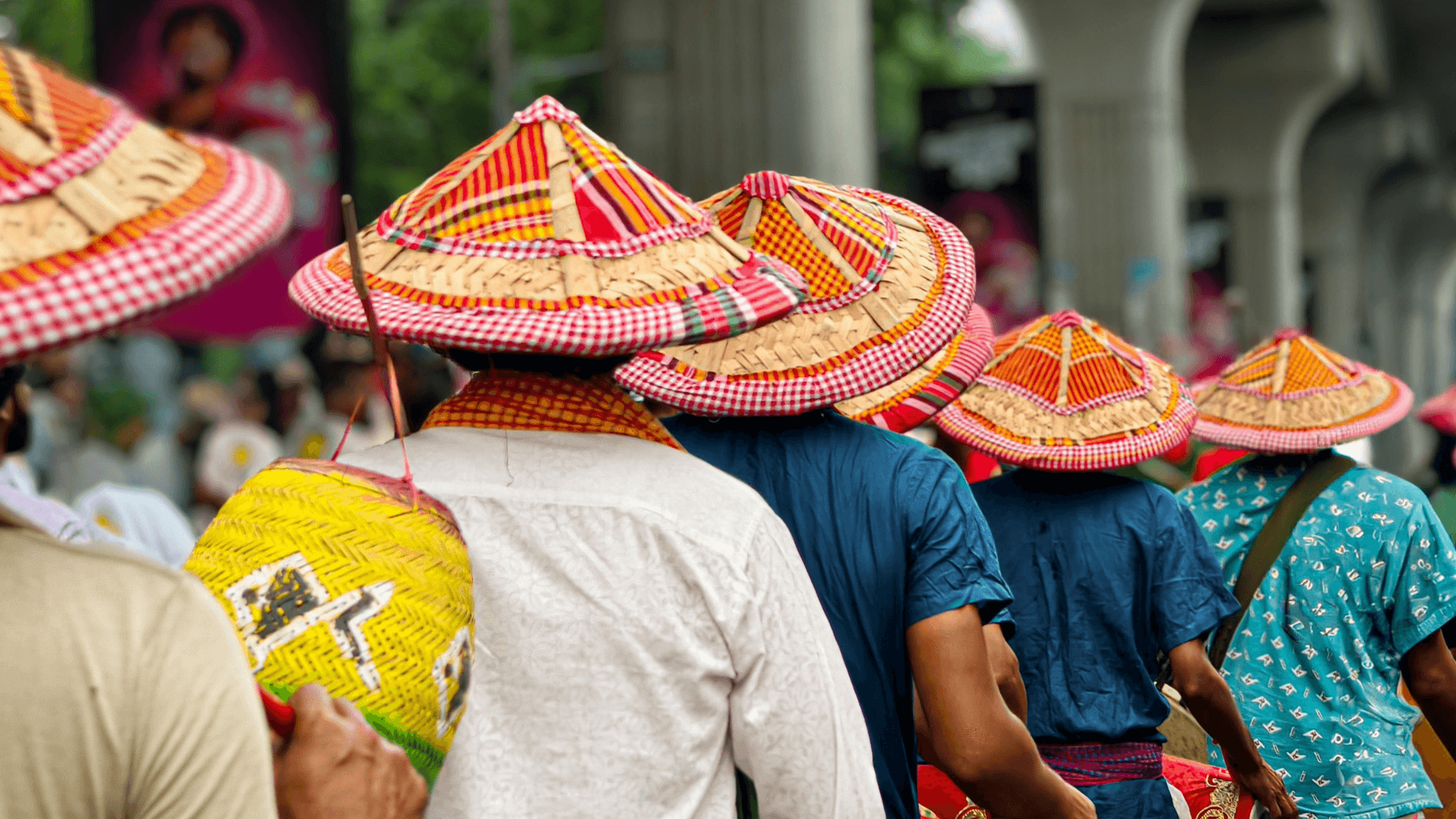
Are you familiar with the “Iceberg of Culture”? Developed by anthropologist Edward T. Hall, it shows that culture goes far beyond what we can see, shaped as much by visible expressions as by deeper, often invisible elements. On World Day for Cultural Diversity, we’re exploring both sides of that iceberg. From language and dance to []
International Dance Day: How Movement Connects Cultures
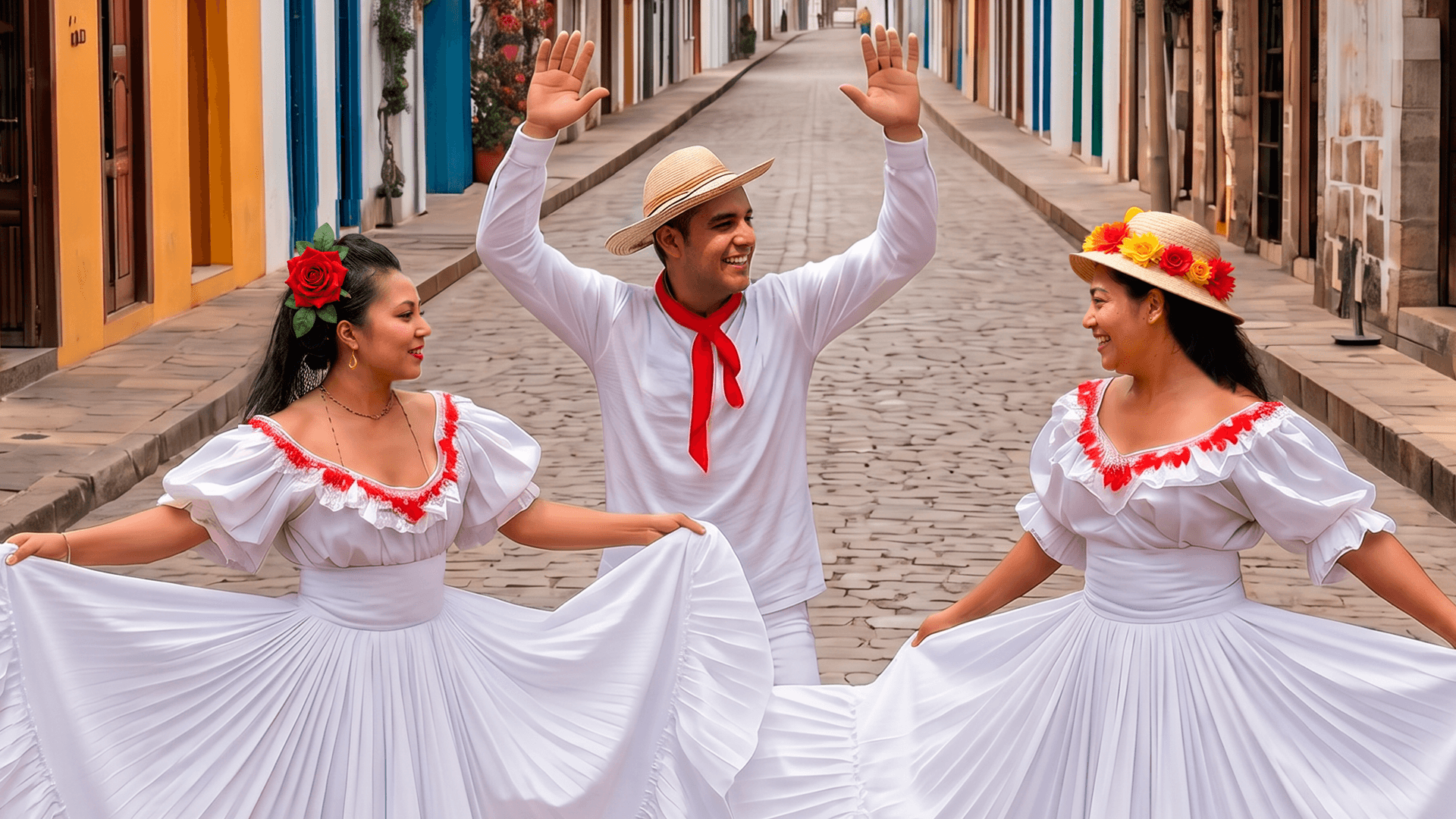
Dance is a timeless art expressed through movement. It has been used by humanity for millennia to convey meaning and emotions. To this day, dances hold memories and wisdom from ancestral times. They’re a powerful marker of identity that transcends borders and ages, bringing cultures together. That is why many migrants use dance as way []

We Folded One Thousand Cranes for Children
Key Takeaways ▪ Senbazuru is a Japanese tradition of folding 1,000 paper cranes to express hope, healing, or peace.▪ The paper crane symbolizes long life and resilience in Japanese folklore.▪ Sadako Sasaki, a Hiroshima bombing survivor, made the tradition globally known while battling leukemia.▪ Her story turned the paper crane into an international symbol of []