)
)
The Heartbeat of Puerto Rican Baseball
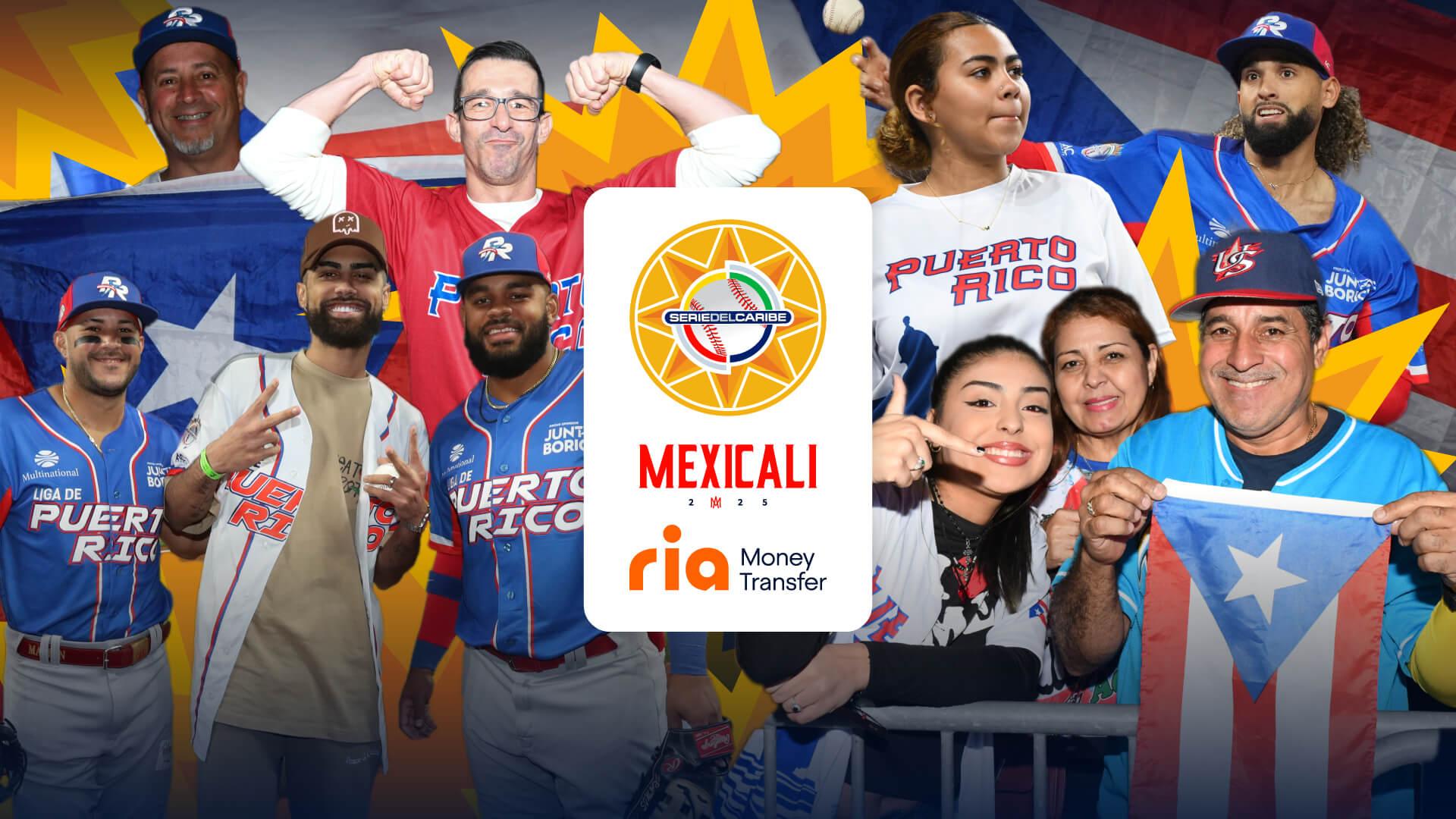
Baseball in Puerto Rico is by far the most popular sport, so it comes as no surprise that for many Boricuas it’s more than a game. It’s deeply ingrained into the Caribbean island’s culture, one that has inspired people of all ages to dream the impossible.
Though at first it was slow to grow, baseball quickly became a favorite pastime for many Puerto Ricans. The love for the sport also grew fonder as more and more players – such as the legendary Roberto Clemente – stormed their way into the MLB in the United States.
Origins of Baseball and Baseball Culture in Puerto Rico
Similarly to its origins in neighboring Dominican Republic, the history of baseball in Puerto Rico begins with Cuban immigrants, who introduced the game in the 1890s after learning it in the United States.
The first organized game of baseball to take place on the island was in January 1898 between two recently formed teams: Borinquen and Almendares. It was the start of the baseball craze in Puerto Rico.
Despite a slow start, it wasn’t long before organized competition became the norm. Baseball started off as a semi-professional sport in 1938 and eventually featured a total of eight teams. Just three years later, the semi-pro league became fully professional, and thus the Liga de Béisbol Profesional de Puerto Rico (LBPPR) was born.
Nowadays the league is known as the Liga Profesional de Béisbol Roberto Clemente, honoring the island’s most recognizable figure.
The Most Legendary Puerto Rican Baseball Player
Clemente’s legacy is one that cannot be overlooked. Not only did he become the first Puerto Rican and Latin American player to make it into the Baseball Hall of Fame in 1973, but he also earned the respect and pride of all his fellow citizens.
Playing for the Pittsburgh Pirates from 1955, he initially struggled with the same challenges many migrants face today, such as language barriers or the longing for one’s home.
But Clemente was also able to overcome those difficulties, helping his team to two World Series championships in 1960 and 1971, as well as winning the coveted Golden Glove award 12 times on the bounce.
But despite his legendary status, Clemente was far from the only great baseball player to hail from Puerto Rico and make it into the Hall of Fame. Orland Cepeda was the first to follow in his footsteps, being inducted in 1999, then by Roberto Alomar (2011), Iván Rodríguez (2017) and Edgar Martínez (2017).
To this day, baseball continues to be all the rage on the island. It’s a core part of the Puerto Rican culture and appears in traditions, festivals and communities, reflecting its unique identity, diversity and wealth of talent.
Impact of Puerto Rican Baseball in the MLB
Though Puerto Rico’s five Hall of Famers have set the bar incredibly high, the island has still produced many more amazing players. Hiram Bithorn was considered to be the first player from Puerto Rico to make it into an MLB team, debuting for the Chicago Cubs in 1942. But that was at a time when the old Negro Leagues – baseball leagues made up of African American players due to the existing color line – were excluded from the records.
But since 2020, the old Negro Leagues have gained recognition as official major leagues, and thus Gacho Torres is now the first MLB Puerto Rican player.
The number of Puerto Ricans who have ended up playing in the MLB is well over 300. Fast forward to today, and it’s full of Boricua talent. On opening day for the 2024 MLB season, Puerto Rico had 17 players representing the island, the fourth biggest foreign group behind Dominican Republic, Venezuela and Cuba.
The current Puerto Rican players who are batting it out the park in the MLB include Francisco Lindor, Yadier Molina, Kike Hernández, José Berríos or Edwin Díaz, to name a few. As a result , the MLB promotes and supports youth baseball programs on the island.
The Future of Puerto Rican Baseball
As baseball in Puerto Rico grew, so has its influence on the island, creeping across generations. It symbolizes the country’s identity and is cause for great pride for many, from those who play it in the major leagues to those searching for the Puerto Rico jersey, or the kids who use the most basic equipment to bat a ball.
And Baseball is chiefly popular among children who one day dream of making it to the major leagues, replicating the careers of the various Boricua legends and changing their lives forever. But it’s not always an easy path.
However, one Puerto Rican legend has taken it upon himself to be the force for change. Roberto Alomar organized a tournament that showcases the talent of 120 young Puerto Rican baseball players, who would play in front of pro and elite scouts.
Alomar made it his mission to replicate a similar initiative that he led for the Blue Jays in 2013, which was a showcase that would serve the best youngsters in Canada, offering them exposure to the eyes of the baseball elites.
His quest’s mission statement is to reduce poverty and inequality, as some youngsters come from remote parts of the island that aren’t as accessible, while others are subject to the same rules as emerging players in the United States, who have many more resources.
It’s initiatives like Alomar’s that can help close the gap for talented young players so they can have the same opportunities as their more privileged counterparts.
Puerto Rico’s Enduring Baseball Legacy
Baseball is far more than just a sport in Puerto Rico – it’s an integral part of the island’s culture and identity. From its slow introduction in the late 19th century to the rise of legendary figures like Roberto Clemente, baseball has become a source of national pride and inspiration for all generations.
The island’s impressive contribution to MLB, with over 300 players making it to the big leagues, reflects the depth of talent and passion for the game. As Puerto Rico continues to celebrate its rich baseball heritage, the sport remains a symbol of resilience, unity, and the enduring spirit of its people. With one World Championship title (1951), the country is also ranked at the 9th position in the WBSC World Ranking at the time of writing.
Make sure to follow us on social media to stay up to date with everything related to the Serie del Caribe 2025 presented by Ria Money Transfer, in the run-up to the tournament held at El Nido de Los Águilas’s stadium in Mexicali.
About the author

Shay Conaghan
Your friendly neighbourhood Content writer. Scottish-Spanish, or something along those lines.
Related posts
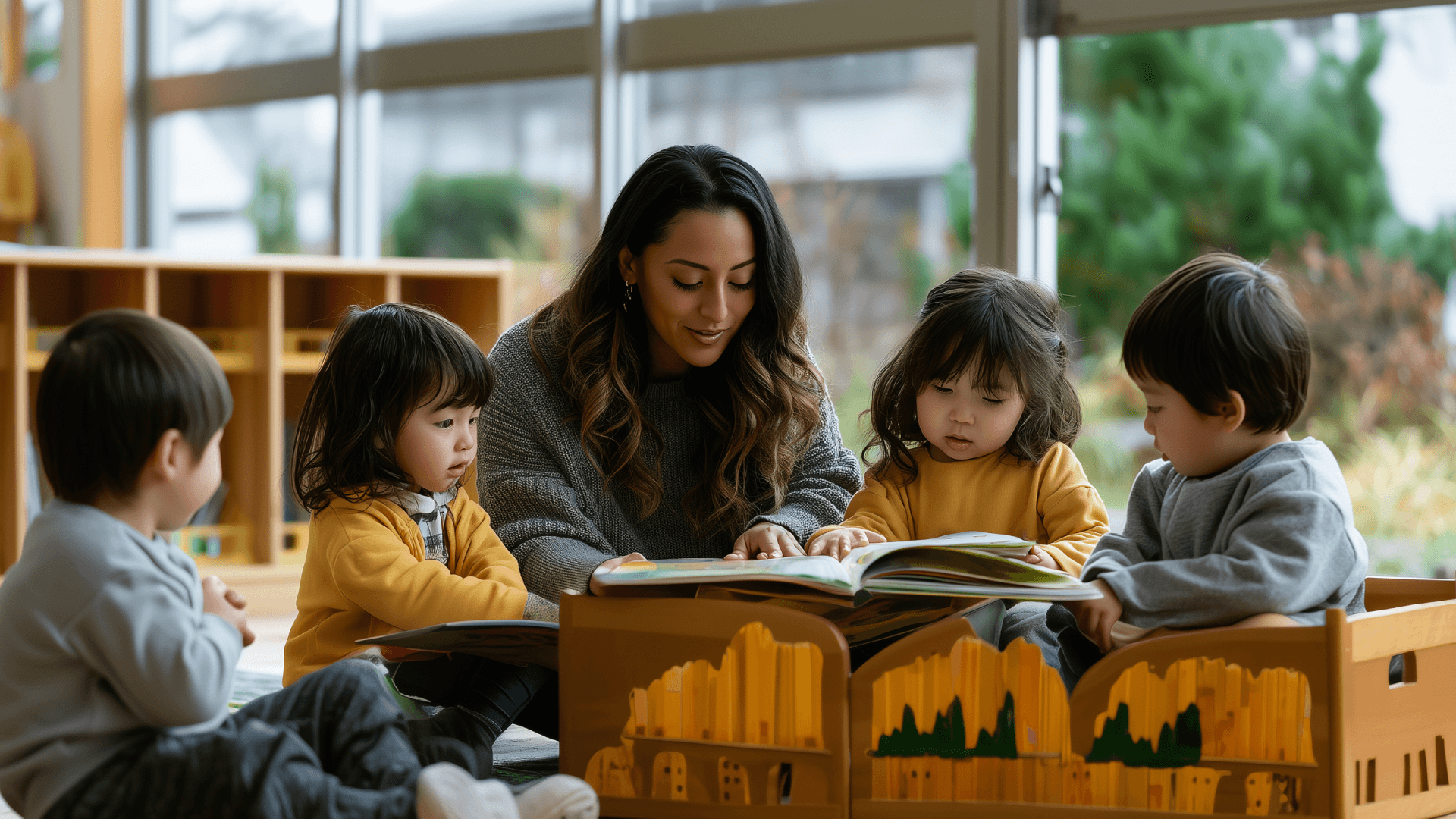
Living in Japan as a Foreigner: How to Read the Room and Feel at Home
Japan always leaves a strong impression on those who visit the country. Its cities are clean and efficient, public transport is known to be reliable, and everyday life often feels remarkably organized. These factors make it easy to understand why so many people choose moving to Japan as a foreigner: to live, work or study
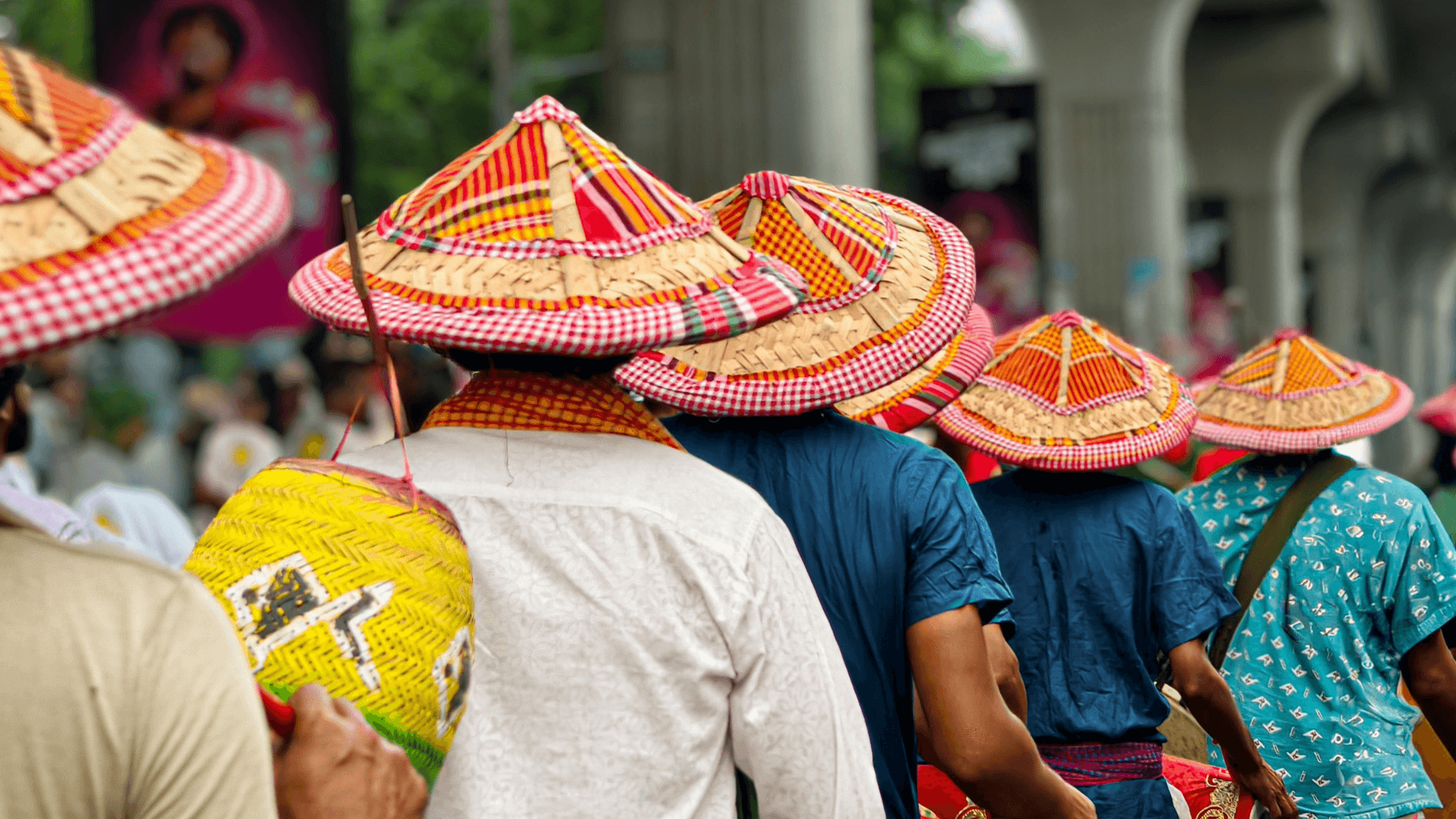
From Dance to Values: Uncovering the Full Iceberg of Culture
Are you familiar with the “Iceberg of Culture”? Developed by anthropologist Edward T. Hall, it shows that culture goes far beyond what we can see, shaped as much by visible expressions as by deeper, often invisible elements. On World Day for Cultural Diversity, we’re exploring both sides of that iceberg. From language and dance to []
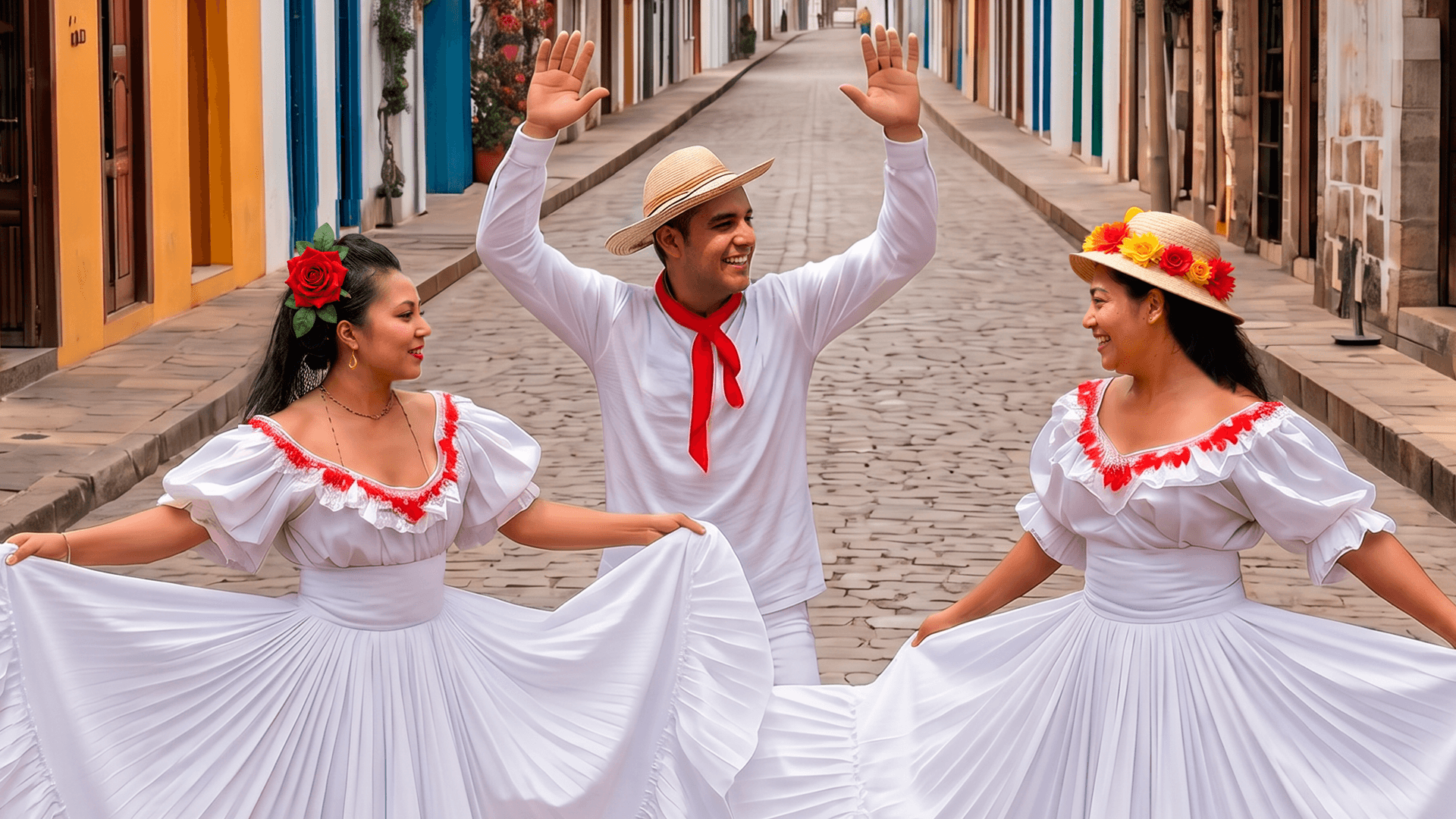
International Dance Day: How Movement Connects Cultures
Dance is a timeless art expressed through movement. It has been used by humanity for millennia to convey meaning and emotions. To this day, dances hold memories and wisdom from ancestral times. They’re a powerful marker of identity that transcends borders and ages, bringing cultures together. That is why many migrants use dance as way []
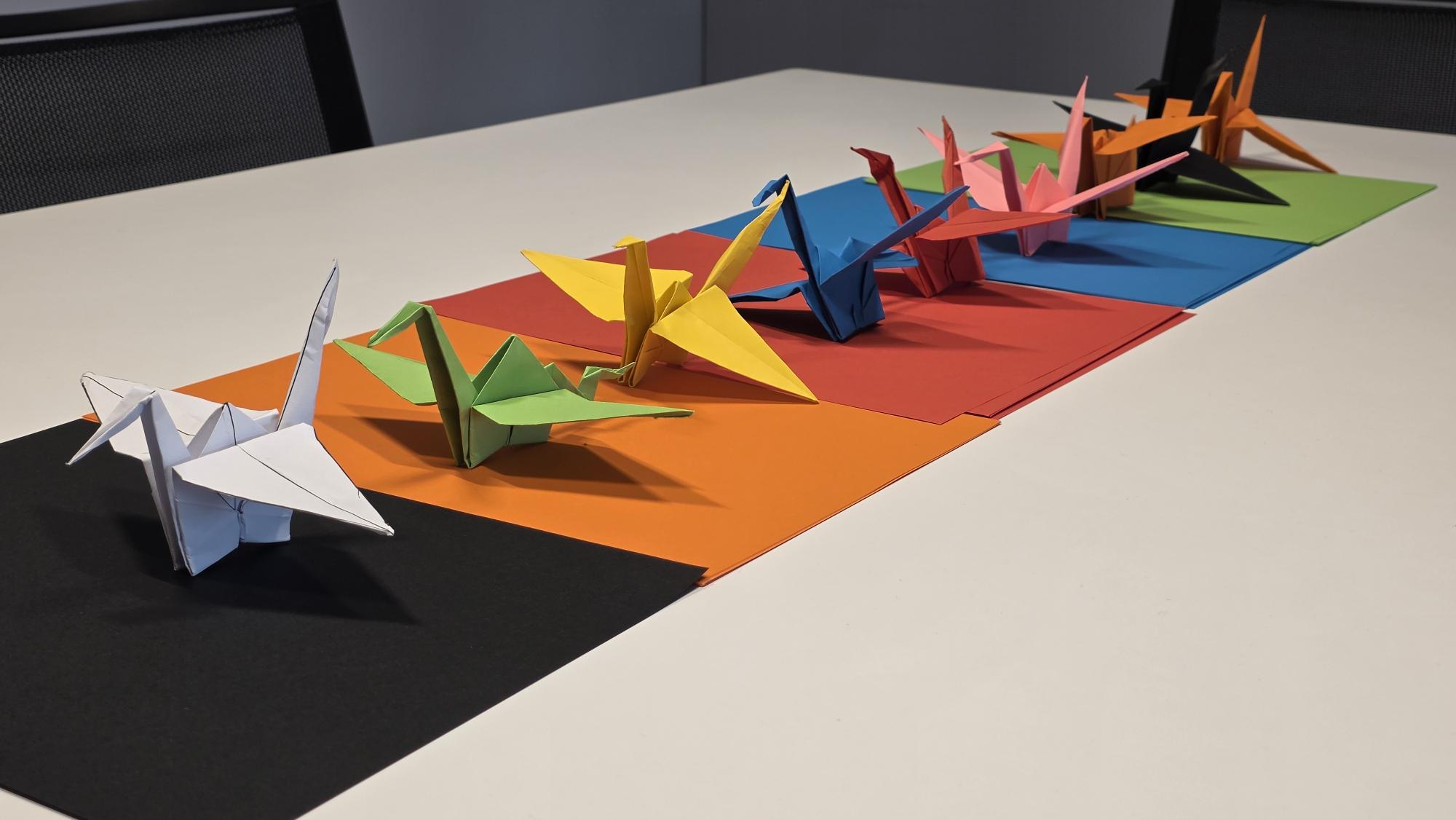
We Folded One Thousand Cranes for Children
Key Takeaways ▪ Senbazuru is a Japanese tradition of folding 1,000 paper cranes to express hope, healing, or peace.▪ The paper crane symbolizes long life and resilience in Japanese folklore.▪ Sadako Sasaki, a Hiroshima bombing survivor, made the tradition globally known while battling leukemia.▪ Her story turned the paper crane into an international symbol of []