)
)
From Caracas to Cooperstown: Venezuela’s Baseball Journey
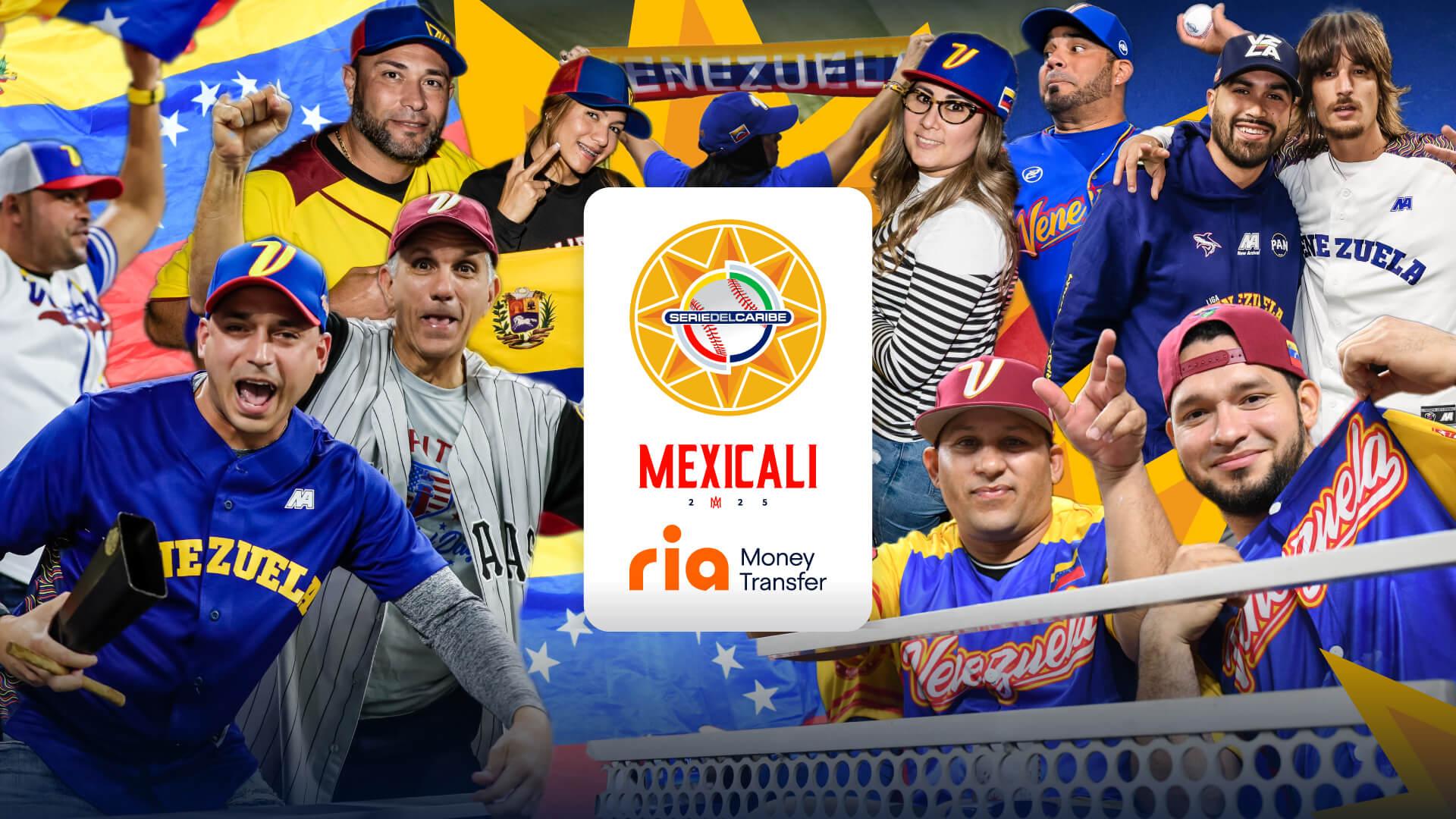
Baseball in Venezuela is more than just a simple sport. It’s a national passion etched into the very fabric of the country’s culture. Whether the game is played at the Estadio Monumental de Caracas Simón Bolívar or in a simple, diamond-shaped ballpark, baseball is part of Venezuela’s identity.
But why is baseball so big in Venezuela? Over the years the sport has grown to be loved and followed by so many, and with legendary Venezuelan baseball players like Luis Aparicio, it’s no wonder it holds such a special place in the hearts of so many.
Origins of Baseball and Baseball Culture in Venezuela
Baseball’s history in Venezuela begins at the end of the 19th century, when it was first introduced by a group of students who had been studying at American universities and brought the game back with them to Caracas, where it quickly gained traction.
By May 1895, the first club was created by brothers Amenodoro, Emilio, Gustavo and Augusto Franklin: Caracas BBC. Later that month, the club would organize the first established game between two teams made up of Caracas BBC players.
The following decades would see baseball grow in popularity in Venezuela, albeit at a slower pace compared to other nations in the region. It wasn’t until 1941 when the first big surge came about. Against all odds, Venezuela was able to defeat heavy favorites Cuba in the Amateur World Series Baseball Cup, earning their first international trophy and solidifying their place in Venezuelan culture. The team is now known as Los Héroes del ’41 (or Heroes of ’41).
Following that victory, baseball would become more than just a pastime. It evolved to become a unifying force amongst communities, serving as an opportunity for families and friends to get together and eat tequeños as they watch baseball games.
Legendary Venezuelan Baseball Players
Even though Venezuela saw huge success with Los Héroes del ’41 and players like José Casanova or Héctor Benítez, their legacy of legendary players was only just beginning.
Chief among them is the iconic Luis Aparicio, the only Venezuelan player to be inducted into the Baseball Hall of Fame in 1984. Little Louie, as he is known, made a name for himself and revolutionized the shortstop position, as well as helping the Baltimore Orioles win the 1966 World Series.
Many other Venezuelan baseball players followed in Little Louie’s footsteps to make a name for themselves and establish their influence in the MLB. Miguel Cabrera, Bobby Abreu, Omar Vizquel or Andrés Galarraga are just a select few of the many Venezuelan greats, with rising stars such as Ronald Acuña Jr. or José Altuve are already leading the way and setting the MLB alight as established players.
Major League Baseball (MLB) and the Future of Venezuelan Baseball
The impact of Venezuelan players in American baseball has been crystal clear. Since 1939, over 400 Venezuelan players have graced the ballpark in the MLB, ranking only behind the Dominican Republic, meaning that their talent pool runs deep.
Despite some of the hardships that Venezuela has faced over the years, baseball has become an outlet for many. Thanks to grassroots initiatives and a strong Venezuelan Professional Baseball League (LVBP), Venezuelans keep the game alive, helping to develop emerging talents in their paths towards the MLB.
Examples of that represent the future of Venezuelan baseball are those of Jose Perdomo and Yovanny Rodríguez, who last year signed million-dollar contracts with MLB teams at just 17 years of age – a clear sign that baseball is still a path towards a better life for many.
Baseball in Venezuela: A Growing Legacy
Baseball in Venezuela is more than a sport; it’s a symbol of national pride, unity, and resilience. From the historic victory of Los Héroes del ’41, to the dominance of stars Luis Aparicio and the rise of future greats such as Ronald Acuña Jr., Venezuela’s baseball legacy is rich and transcends time.
As the country grapples with its own challenges, baseball remains a beacon of hope and a testament to the nation’s unbreakable spirit.
Make sure to follow us on social media to stay up to date with everything related to the Serie del Caribe 2025 presented by Ria Money Transfer, in the run-up to the tournament held at El Nido de Los Águilas’s stadium in Mexicali.
About the author

Shay Conaghan
Your friendly neighbourhood Content writer. Scottish-Spanish, or something along those lines.
Related posts

Living in Japan as a Foreigner: How to Read the Room and Feel at Home
Japan always leaves a strong impression on those who visit the country. Its cities are clean and efficient, public transport is known to be reliable, and everyday life often feels remarkably organized. These factors make it easy to understand why so many people choose moving to Japan as a foreigner: to live, work or study
From Dance to Values: Uncovering the Full Iceberg of Culture
Are you familiar with the “Iceberg of Culture”? Developed by anthropologist Edward T. Hall, it shows that culture goes far beyond what we can see, shaped as much by visible expressions as by deeper, often invisible elements. On World Day for Cultural Diversity, we’re exploring both sides of that iceberg. From language and dance to []
International Dance Day: How Movement Connects Cultures
Dance is a timeless art expressed through movement. It has been used by humanity for millennia to convey meaning and emotions. To this day, dances hold memories and wisdom from ancestral times. They’re a powerful marker of identity that transcends borders and ages, bringing cultures together. That is why many migrants use dance as way []
We Folded One Thousand Cranes for Children
Key Takeaways ▪ Senbazuru is a Japanese tradition of folding 1,000 paper cranes to express hope, healing, or peace.▪ The paper crane symbolizes long life and resilience in Japanese folklore.▪ Sadako Sasaki, a Hiroshima bombing survivor, made the tradition globally known while battling leukemia.▪ Her story turned the paper crane into an international symbol of []