)
)
The African Football Story: Legacy, Passion and Future
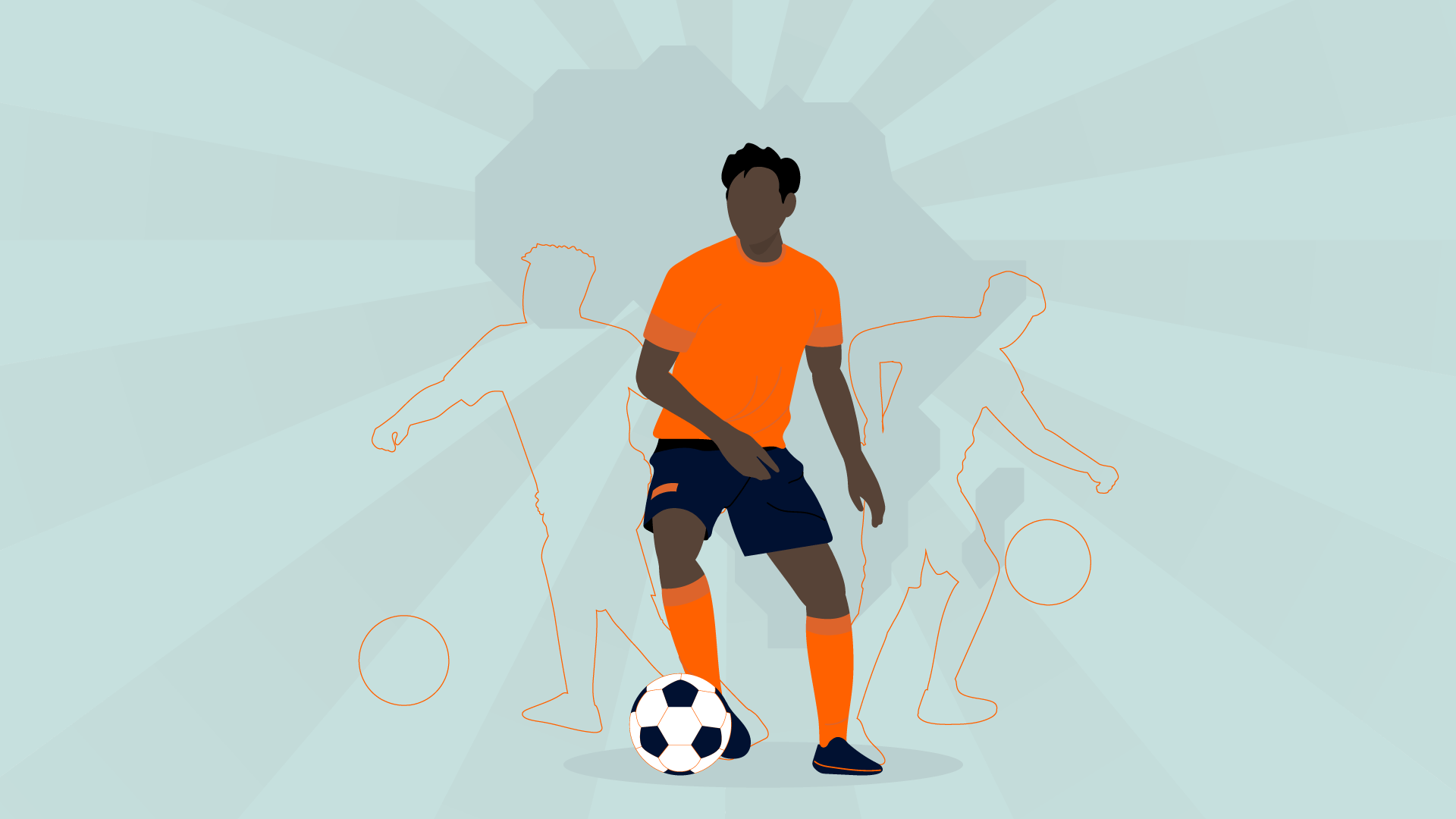
The tale of African football is almost as old as the sport itself. Therefore, the sport’s history on the continent is long, and it kicked off with the arrival of imperialist settlers back in the mid-19th century, who introduce the beautiful game to their territories.
In this post, we’ll cover football in Africa, its superstars and development from early beginnings to global relevance.
Key Takeaways
▪ African football has a rich, diverse history shaped by colonialism, independence, and cultural pride.
▪ The continent has produced world-class talent like Ria ambassador Yaya Touré, influencing global football and inspiring millions.
▪ Challenges include infrastructure, investment, and opportunities for women and youth.
▪ Ria ambassador Hamza Igamane’s influence extends beyond his football career, inspiring youth and driving social change in Africa. His commitment to football education and mentorship empowers the next generation of African athletes.
▪ Football is a powerful tool for social change, community building, and youth empowerment in Africa.
▪ The future of African football has high hopes, with growing investment, talent development, and global recognition.
Why African Football Matters
African football is so long-lived that the first documented game was played in 1862 in modern-day South Africa. Though at first football was limited to the settlers and missionaries, it quickly caught the eyes of local African communities, who adapted the game to their particular environments. With the sport gaining immense popularity over the following decades, many clubs were established, and football began to be the norm.
As the wave of independence began to spread across the continent, African football was in need of structure. Thus, in 1957, the Confederation of African Football (CAF) was born, and with it another bullet was added to the gun of African independence. The inaugural Africa Cup of Nations was also held for the first time that same, a tournament which continues to be played to this day.
Now, football has become deeply woven into African culture, fostering community engagement and creating opportunities for education and employment. As African football gained traction, clubs around the world started developing an interest in African players, many of which ended up becoming football stars and playing for renowned international teams such as Michael Essien for Chelsea (England), Emmanuel Adebayor for Club Olimpia (Paraguay) and Riyad Mahrez for Al-Ahli (Saudi Arabia), and where African players continue to shine to this day.
Beyond their impact on football, stars like Yaya Touré and Hamza Igamane have used their success abroad to send money home and support their families and communities. Their philanthropy coupled with the unifying force of football has fostered a sense of continental pride across Africa’s diverse nations and communities, bridging linguistic, ethnic, and cultural divides.
African Football Today: Challenges, Trends and Social Change
Today, African football is thriving. Since the CAF’s inception back in 1957, tournaments across the continent have sprung up and grown in size and popularity. These include the Africa Cup of Nations (AFCON)—created in the same year the CAF was established—, the Africa Nations Championship, the CAF Champions League, and many more.
Despite the constant challenges, financial or otherwise, the popularity and success of these competitions cannot be underestimated, the CAF explains. Despite facing infrastructure or location problems, African tournaments have continued on an upward trend.
On the international stage, African football is also thriving. Take Morocco’s men’s national team, who went on a historic run at the 2022 World Cup, reaching the semi-finals. Since then, the Atlas Lions have set the record for the most consecutive wins (19) in international football history following their 2-0 win over Comoros in the opening game of Africa’s biggest football stage.
Similarly, since 2015 African teams have regularly featured in the knockout stages of the Women’s World Cup. In 2023’s edition, Nigeria, Morocco and South Africa made to the round of 16.
Closing the Gap in Women’s Football in Africa
The women’s game continues to flourish and is on an upward trend, with the latest Women’s AFCON a clear indicator of that. Not only was there unprecedented broadcast demand for the competition and an increase in prize money to $1m fronted by the CAF, but the overall gap between teams is closing.
As Chuka Onwumechili writes, the quality of women’s football in Africa is increasing, as seen by the narrowing goal margins and traditionally less competitive nations—like Mali or the Democratic Republic of Congo—fighting until the final whistle, while Algeria made the knock-out stage for the first time, a sign that their strategic investment into the sport is paying off.
Overall, a clear sign of growing competition is that previous underdogs like Tanzania, Kenya and the DRC have caused upsets by defeating former winners and tournament favorites.
The Rise of African Football Superstars: From Milla to Salah
African football superstars have also been on the rise. The first global icon hailing from the continent was Roger Milla, who grabbed the headlines after netting an impressive four goals at the 1990 World Cup—at the age of 38.
His legacy would be one-upped by that of the Liberian forward George Weah, who became the first, and only, African footballer to win the coveted Ballon d’Or award in 1995.
Fast forward to today, and African football superstars can be found everywhere. During the 2010s, Ria brand ambassador Yaya Touré was the figurehead for the continent, winning everything at club level, including the first ever sextuple with FC Barcelona. The midfielder also represented Ivory Coast 101 times, leading them to victory at the 2015 AFCON, and won African Footballer of the Year four consecutive times between 2011-2014.
Other notable African players include the legendary Didier Drogba for Chelsea FC, FC Barcelona’s Samuel Eto’o, Liverpool’s Mohamed Salah, or Al-Nassr’s Sadio Mané.
Spotlight: Brand Ambassador Hamza Igamane
Established players aside, one thing is clear when it comes to up and coming African players: they are still just as hungry to make their mark. One example is Morocco’s Hamza Igamane, who recently became a Ria brand ambassador.
Our partnership with Hamza celebrates his inspiring football journey to date, highlighting his commitment to empowering communities as well as setting an example of how to succeed as a migrant abroad. Through this collaboration, we hope to inspire future athletes and remind migrants that anything is possible when you set your mind to it.
Hamza’s story is one of success, and shows how partnerships can help introduce and execute new ideas, such as FIFA investing over $1bn into African football with the aim to open 20-30 academies on the continent by 2027. These funds would help CAF nations identify talented players like Hamza and give them the proper coaching and facilities they need to shine.
And this isn’t Ria’s first foray into the development of African football. Alongside Inter Milan, Ria has also supported the sport on the continent through our Dreamer’s Villages, which are football-focused schools that we helped set up in Morocco, Mauritius, and Senegal.
In short, Hamza Igamane’s partnership with Ria is more than a campaign—it’s a movement to empower youth and transform communities through football.
Africa’s Football Future
The history of African football is a testament to resilience, unity, and hope. From its early beginnings to its rise as a global force, the sport has become deeply woven into the continent’s identity by connecting its cultures, inspiring generations, and driving social progress.
Players like Yaya Touré made their mark on the game, while youngsters such as Hamza Igamane are shaping the next chapter. Their stories reflect why football is more than a game: It’s a platform for education, empowerment, and opportunity.
Through partnerships and community-driven initiatives, the sport continues to evolve, creating pathways for young talent and fostering innovation across Africa. But above all, it remains a powerful force that inspires, empowers, and unites communities.
Join Yaya Touré and Hamza Igamane in empowering families and communities across Africa. Whether you’re sending support or sharing the passion, every transfer helps build dreams—one goal at a time. Download our app and send money with Ria.
Football was introduced during colonial times and quickly became a popular local sport.
The Confederation of African Football (CAF) is the governing body for African football.
Legends include George Weah, Didier Drogba, Samuel Eto’o, and current stars like Mohamed Salah.
It has grown in professionalism, global influence, and inclusivity.
Infrastructure, investment, governance, and opportunities for women and youth.
Football serves as a unifying force, bringing together diverse communities, fostering teamwork, and providing opportunities for youth empowerment and social progress.
Fans can engage with youth programs, support local clubs, participate in community initiatives, and follow African football leagues to help grow the sport at grassroots and professional levels.
It fosters unity, provides opportunities, and drives social change.
Continued growth in talent, investment, and global recognition.
Engage with campaigns, support youth programs, and follow African leagues.
Egypt was the first African nation to play in the World Cup, in 1934.
Many academies are open to youth from diverse backgrounds, with programs focusing on skill development, education, and social values.
About the author

Shay Conaghan
Your friendly neighbourhood Content writer. Scottish-Spanish, or something along those lines.
Related posts

Living in Japan as a Foreigner: How to Read the Room and Feel at Home
Japan always leaves a strong impression on those who visit the country. Its cities are clean and efficient, public transport is known to be reliable, and everyday life often feels remarkably organized. These factors make it easy to understand why so many people choose moving to Japan as a foreigner: to live, work or study […]

The Currency of Caring: The Human Side of Remittances
Every year on June 16th, the world observes International Day of Family Remittances. On that date, we recognize the millions of migrants who send money back home to support their loved ones, helping build a better future for countless households across the globe. Although there is a lot of data about the financial impact and […]
Sadio Mané and Ria: Empowering the Global Diaspora
Sadio Mané is considered one of the best and most recognizable African footballers of all time. But the Senegalese striker is more than just a global football icon: throughout his career, he’s reinvested his earnings back into his community, bridging the gap between football, migration and financial empowerment. That’s why at Ria we are extremely […]
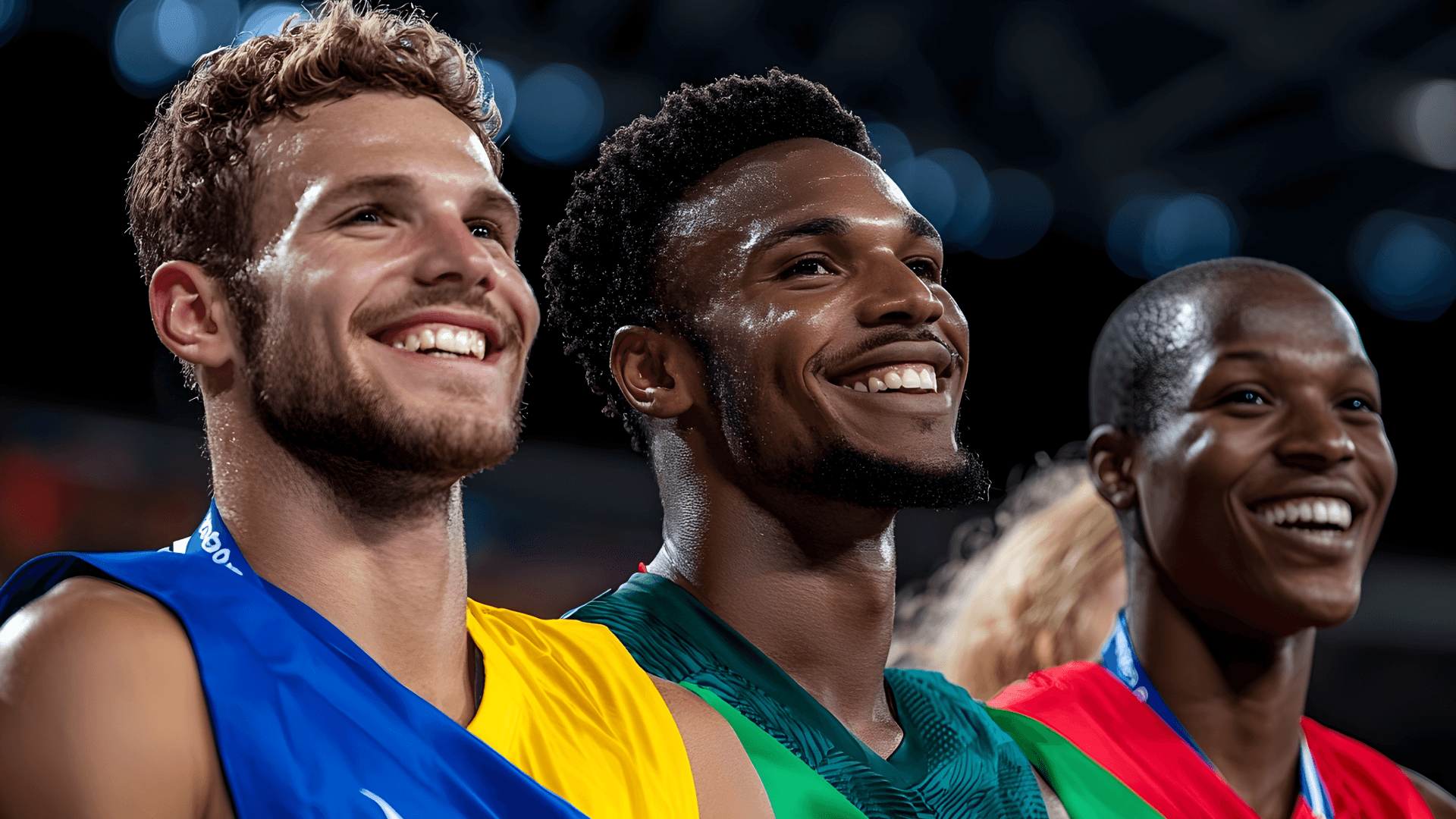
How Migration Is Redefining National Teams in Global Sport
Modern sport no longer knows bounds. Whether it’s on football pitches, athletics tracks or basketball courts, the movement of people across countries and migration in sports has transformed how national teams are built and what they represent. Global competitions increasingly showcase squads made up of players with diverse cultural backgrounds, reflecting a world where migration […]