)
)
How Remittances Improve Health Coverage in Sub-Saharan Africa
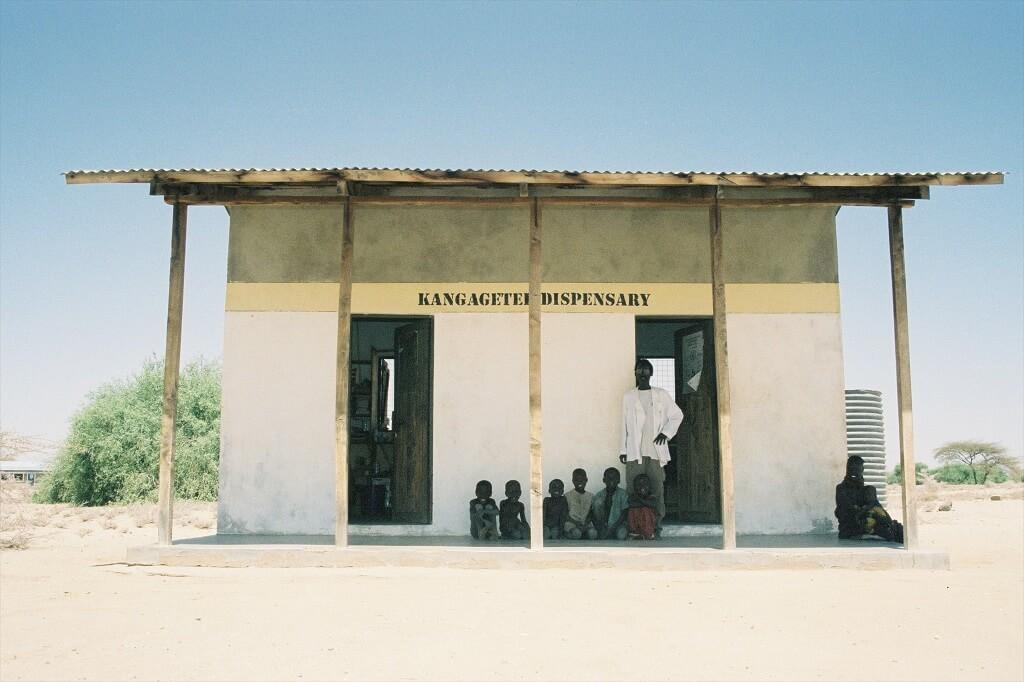
Did you know half of the world’s population lacks access to basic health coverage?
This past Sunday was World Health Day, and the World Health Organization (WHO) focused on promoting its universal health coverage initiative. At Ria, we’re proposing a way to help achieve it.
Over US$655 billion were sent in remittances in 2023, which are funds sent by migrant workers to their families back home.
This money is used to pay for school tuition, groceries and medicine, to name a few.
In 2023, Sub-Saharan Africa received over US$54 billion in remittances, with a whopping US$19.5 billion going to Nigeria alone. Unfortunately, this region has the highest sending fees on average.
So, what would happen if we encouraged competition in the remittance market? Prices would drop, and business would continue to flourish, bringing more and better options to migrant workers and their families.
Remittances in Sub-Saharan Africa
Many Sub-Saharan countries depend on remittances. For instance, 23.3% of Gambia’s GDP comes from remittances, according to the World Bank. Gambia is joined by Lesotho (21.9%), Comoros (21%), Liberia (18.2%) and Cabo Verde (12.5%) in the top five.
On average, the sending cost for $200 to Sub-Saharan Africa sits at 7.9%, a slight increase from 2022. Keeping in mind that the global average is at 6.4% and that the international community intends to bring it down to 3% by 2030, it is clear that a lot of work needs to be done for the Sub-Saharan region.
Even within the region itself, there is a significant gap between countries and corridors. Some sending averages can be as low as 2.1% or as high as 36%.

Remittances and Health
In 1960, the life expectancy for Sub-Saharan Africans was shy over 40 years. By 2022, this number had increased by 20 years. However, it is still 11 years behind the global average of 72.
In the region, the average GDP has gone from US$29.7 billion to US$2.04 trillion, but compared with the world’s average of over US$106.17 trillion, the improvement becomes visibly dire. So, if remittances already contribute as much as 20% of a country’s GDP in Africa, imagine if we pushed for more accessible and affordable services.
The higher the GDP, the more money there is to cover health expenses. At the same time, initiatives exist to help channel remittances directly into health coverage.
Migrant workers can influence health in multiple ways. For one, they can pass on newfound medical knowledge from their host countries to their families back home.
Even remittances that aren’t spent on health directly can improve overall wellbeing. Extra income for the family means avoiding malnutrition, keeping kids in school so they don’t fall back into a cycle of poverty, and ensuring sturdier homes and more optimal living conditions.
The reality of health expenditures in Sub-Saharan Africa
When Robert Kotei, Ria Operations Director Africa, was working with our customer service team in Senegal as part of his induction process, he found there was a hold on a transfer being sent to his native Ghana.
Kotei contacted the beneficiary to see how he could help. What he found was a distraught mother who, speaking in their local dialect, explained her son had appendicitis and needed immediate surgery.
She simply couldn’t wait any longer for the transfer to go through.
Kotei rushed to resolve the issue, successfully lifting the hold and processing the transfer instantly.
A couple of weeks later, the woman called to thank him. She said she had imagined the worst and couldn’t have done it without Kotei’s help. The child had been saved.
“This experience gave me a newfound understanding of what our business means to people. It filled me with determination to expand our reach and keep our prices competitive not just because it might bring a financial gain to our company, but because there are families that depend on our service,” Kotei shared.
When we think about people as numbers, demographics and regions, it’s hard to wrap our heads around the harsh reality of it all. However, here is the story of a mother desperate to save her child, a feeling we can find parallels for in our own lives.
So, what do we propose? Encouraging competition in the region, as Mauritius has done.
Exclusivity contracts sustain monopolies, keeps prices high and stagnant and limits options for many African migrant workers looking to help their families back home.
In honor of this World Health Day, let’s push for a chance at universal health coverage, especially for vulnerable regions and populations such as Sub-Saharan Africa.

About the author

Gabrielle van Welie
Gabrielle van Welie is Ria's Global Content Manager. Originally from Dominican Republic, she specializes in the cultural impact of remittances and migration across the globe.
Related posts

The Currency of Caring: The Human Side of Remittances
Every year on June 16th, the world observes International Day of Family Remittances. On that date, we recognize the millions of migrants who send money back home to support their loved ones, helping build a better future for countless households across the globe. Although there is a lot of data about the financial impact and […]

How Mobile Wallets Are Expanding Financial Inclusion in Emerging Markets
In the last decade, there has been a surge of applications and services that enable people to store, send, and receive money without needing a traditional bank account. Digital financial services such as mobile wallets have emerged as an accessible option for millions of unbanked people. These alternatives have become the first point of access […]
Sadio Mané and Ria: Empowering the Global Diaspora
Sadio Mané is considered one of the best and most recognizable African footballers of all time. But the Senegalese striker is more than just a global football icon: throughout his career, he’s reinvested his earnings back into his community, bridging the gap between football, migration and financial empowerment. That’s why at Ria we are extremely […]

How to Build a Monthly Money-Sending Routine
When your loved ones receive the money you send each month, it brings peace of mind on both sides: they can cover everyday needs, and you know your hard-earned money is making a real difference. But without a plan, it can slip into last-minute stress, surprise costs, or missed transfers altogether. The good news? With a simple routine, […]