)
)
Empowering Migrants: Ria Money Transfer & Proyecto Migrante Join Forces

In September 2025, Ria Money Transfer and Proyecto Migrante launched a collaboration to empower migrants in Spain and across the globe. This partnership was a natural fit, as we share core values and a commitment to support migrants.
The Migrant Realities: Hopes, Challenges & Opportunities
Current situation in numbers
According to the International Migrant Stock (UN Population Division), in 2024, the number of international migrants worldwide stood at 304 million. That same year, Europe received more international migrants than any other region in the world with 94 million. In Spain, 18,5% of the population are international migrants, making the country the 6th leading country of arrival.
The majority of those migrants are from Latin America. Based on INE’s Continuous Population Statistics, during the second quarter of 2025, the main nationalities of immigrants coming to Spain were Colombian, Venezuelan and Peruvian.
Behind these migration flows lie very real human challenges. Because arriving is only the first step, integrating into a new society can be a much bigger hurdle.
Integration challenges
Often, migrants and Spanish nationals are not dealt the same cards.
As we see in The European Migration Network’s country factsheet for Spain, when it comes to education, the data highlights a real gap between migrants and nationals. In 2023 in Spain, young migrants are far less likely to have pursued higher education: only about 28.6% hold a higher education degree, compared with 57,6% among Spanish nationals. The gap is even bigger among early school leavers: a third are migrants, while 11% are Spanish.
This gap is also reflected in the labor market, with the unemployment rate for migrants sitting at 18.5%—7.5% higher than for Spanish nationals—increasing their risk of living in poverty, facing social exclusion, and being less likely to own a home.
These figures show that migrants face distinct challenges that require targeted support and attention.
Migrants’ Needs
Migrants, like anyone else, need basic security: safety, shelter, food, healthcare, and long-term stability. Beyond that, they also need access to financial services to send money home, a welcoming community to feel a sense of belonging, and education and job opportunities to build a sustainable life.
This is where Ria Money Transfer and Proyecto Migrante come in.
The Collaboration: How Ria & Proyecto Migrante Work Together
Meet Proyecto Migrante
Proyecto Migrante is the first collaborative community supporting migrants in Spain, aiming to promote cultural integration and well-being by using social media as a force for good. It was founded in 2023 by Wilder and Gianfranco, two Peruvians who left everything behind to build a future in Europe. The project invites migrants to connect, share, and grow, breaking down barriers and creating opportunities. Originally based in Spain, Proyecto Migrante is also expanding its mission worldwide.
On their TikTok account, which has accumulated 1.4 million likes, they share content with their 171.5K followers. In one instance, they surprise a migrant on the streets of Madrid with a fully paid shopping spree. In another, they buy everything from a migrant vendor’s street food stall and pay for their groceries. Aside from these initiatives, they also often provide migrants with free hospitality courses to enhance their skills, fun activities to lift their spirits and job opportunities to help them earn a living.
A Shared Mission
Joining forces with Proyecto Migrante was an obvious decision for Ria, as we share a commitment to supporting migrants’ inclusion. While Proyecto Migrante empowers migrants in their new country, Ria helps them stay connected to their home, family and friends through remittances, ensuring their hard-earned money reaches their loved ones.
According to the Banco de España’s Economic Bulletin 2025/Q2, in 2023, remittances sent abroad from Spain amounted to around €10.7 billion, a number that has grown considerably in the last 20 years. Latin American countries are the main recipients of remittances sent from Spain. In 2023, 62% of the remittances received by Paraguay, 31% by Bolivia, 16% by Ecuador, and 13% by Colombia came from Spain.
These numbers reflect how crucial remittances are in many households. They provide direct financial support to families, help prevent poverty, fund education, enable family investments and offer protection during crises. With Ria, migrants can benefit from fast and safe money transfers to support their loved ones back home.
Migrant Stories: The First Video
Thanks to Ria’s support, Proyecto Migrante was able to cross borders and reach the Philippines.
There, the team gave back to a community connected to the migrants they serve in Spain. They brought meals, smiles, and hope to children in a small rural school. “Although for many it is a simple meal, for them it means studying with energy, growing up with hope and smiling without worries,” said a Proyecto Migrante representative. Check it out!
The Philippines ranks first in the World Risk Index 2025 and faces increasingly extreme weather events, disrupting everyday life and essential services like schools, which strongly affects children’s right to education. Ria has been helping the community through its partnership with Save The Children International for three years now. We are pleased to expand our support through Proyecto Migrante.
But this is just the beginning. Together, we are building a future where migrants feel supported, empowered and connected to their loved ones.
FAQ: Quick Answers About Ria, Proyecto Migrante & Migrant Support
Proyecto Migrante is an NGO that provides community support, financial aid and job opportunities to empower migrants.
Migrants face real integration challenges in Spain, including gaps in education, higher unemployment rates, financial exclusion, limited access to social services, and barriers to housing and social inclusion.
Ria helps migrants stay connected to their home countries by providing fast, secure, and affordable money transfers. These remittances support families, fund education, prevent poverty, and provide stability during crises.
The collaboration aims to empower migrants in Spain and beyond by combining Proyecto Migrante’s on-the-ground support and Ria’s financial services, creating opportunities, promoting inclusion, and improving migrants’ well-being.
You can support the initiative by following and sharing Proyecto Migrante’s videos, engaging with their social media content, or donating to help fund programs that provide migrants with education, skills, and community support.
About the author

Chiara Boutot
Chiara Boutot is a French content specialist who likes to write about migration, community and connection.
Related posts

Living in Japan as a Foreigner: How to Read the Room and Feel at Home
Japan always leaves a strong impression on those who visit the country. Its cities are clean and efficient, public transport is known to be reliable, and everyday life often feels remarkably organized. These factors make it easy to understand why so many people choose moving to Japan as a foreigner: to live, work or study […]

The Currency of Caring: The Human Side of Remittances
Every year on June 16th, the world observes International Day of Family Remittances. On that date, we recognize the millions of migrants who send money back home to support their loved ones, helping build a better future for countless households across the globe. Although there is a lot of data about the financial impact and […]
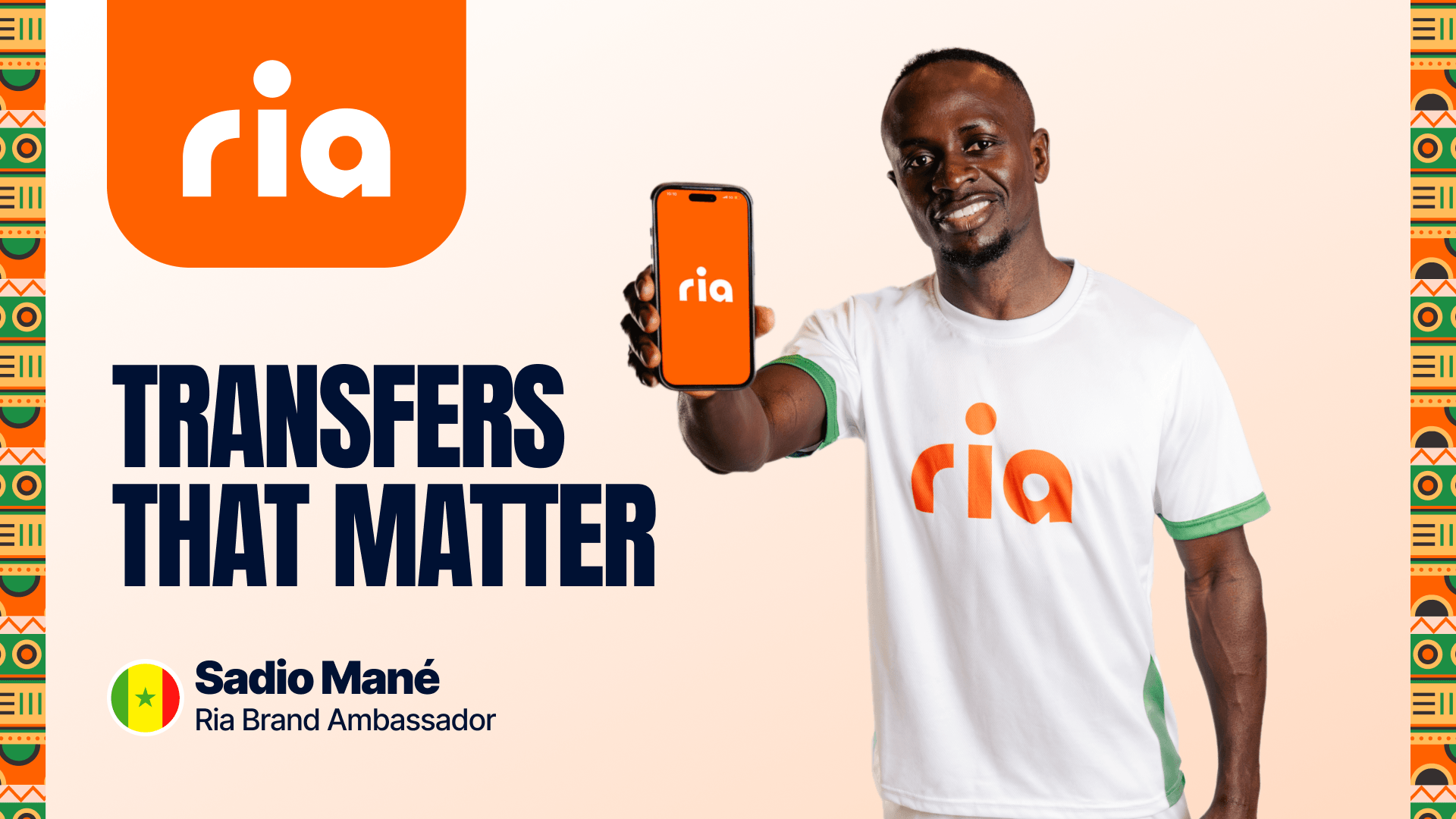
Sadio Mané and Ria: Empowering the Global Diaspora
Sadio Mané is considered one of the best and most recognizable African footballers of all time. But the Senegalese striker is more than just a global football icon: throughout his career, he’s reinvested his earnings back into his community, bridging the gap between football, migration and financial empowerment. That’s why at Ria we are extremely […]

How Migration Is Redefining National Teams in Global Sport
Modern sport no longer knows bounds. Whether it’s on football pitches, athletics tracks or basketball courts, the movement of people across countries and migration in sports has transformed how national teams are built and what they represent. Global competitions increasingly showcase squads made up of players with diverse cultural backgrounds, reflecting a world where migration […]