)
)
Why Ethiopia’s Remittances Surged to Over $6 Billion

Ethiopia’s remittances exceeded $6 billion in 2024 — roughly a 50% increase from the prior year, according to the Ethiopian Diaspora Service.
That makes remittances one of the fastest-growing sources of foreign currency for the country during a period of intense macroeconomic reform.
Why Ethiopia’s remittances jumped
Several factors combined to drive the large increase:
Policy changes boosted trust in formal money transfer channels
In 2024, Ethiopia rolled out major economic and currency reforms — including steps toward a more flexible Ethiopian birr (ETB, Ethiopia’s official currency) exchange rate and support from the IMF and World Bank to stabilize the economy. These changes gave people more confidence in official systems, encouraging members of the diaspora to send money through banks and licensed money transfer providers instead of informal routes.
Stronger ties with the Ethiopian diaspora
Ethiopian authorities have been actively encouraging the global Ethiopian community to use official money transfer channels and new savings options. Thanks to these outreach efforts — and better tracking of funds — more remittances are now being recorded formally, contributing to the impressive surge seen in 2024.

Global trends worked in Ethiopia’s favor
After the pandemic, remittances to developing countries bounced back and stayed strong through 2024. Higher wages in many destination countries and ongoing labor migration meant more people could send money home. Ethiopia’s large diaspora across the Middle East, North America, and Europe benefited from these global trends — and so did the families receiving their support.
Exchange-rate challenges made remittances even more important
With prices rising and foreign currency in short supply, many Ethiopian families have faced higher costs for everyday goods. In times like these, money from relatives abroad becomes a lifeline, helping households cover essentials when local incomes fall short. Recent policy changes that make it easier to access official exchange channels have also encouraged more people to send money through formal systems.
How remittances typically help households
Remittances aren’t just numbers in an economic report — they directly shape how people live day to day:
Covering essentials: Many families use money from abroad to pay for food, medical care, and household bills, especially during tough times. This support can prevent them from having to sell valuable assets just to get by.
Investing in education: Extra income often goes toward school fees or tutoring, helping children stay in school and build a stronger future.

Starting small businesses: Some recipients use remittances to buy livestock, tools, or supplies to grow small businesses — creating more stable incomes over time.
Building savings: When money comes through banks or licensed transfer services, it helps families save safely and access other financial products like loans.
In short, each dollar sent home provides both immediate relief and the potential for long-term growth — turning everyday transfers into lasting opportunity.
Why remittances help — but aren’t a cure-all
Ethiopia’s remittances boom is great news, but it’s not without challenges. A few key risks are worth keeping in mind:
Rising prices can eat into value
If inflation climbs faster than exchange rates adjust, families may find their transfers don’t stretch as far as they used to. Economic reforms can help stabilize the situation, but they often come with short-term price swings.
Not everyone benefits equally
Remittance flows tend to concentrate in certain regions or among families with relatives abroad. That can push up local prices — for housing or basic goods — and widen the gap between those who receive money and those who don’t.
Too much reliance on transfers
When most remittance money goes toward everyday spending, it may not create enough local jobs or long-term growth. Encouraging investment in small businesses or community projects can make these funds go further.
In short, remittances are a powerful tool — but they work best when paired with smart policies that keep inflation in check and create more opportunities at home.

Practical tips for recipients and senders
- Send via licensed providers, like Ria Money Transfer, whenever possible — that improves rates of delivery and makes funds available in local currency at official exchange rates.
- Consider receivers’ needs: short-term consumption vs. a productive investment (school fees, tools, working capital). A small shift toward investment can have long returns.
- If possible, save some of each transfer in an interest-bearing account to build a buffer against inflation and shocks. Formal accounts also unlock credit options later.
Send Money to Ethiopia with Ria
Ethiopia’s remittances $6 billion boom proves how powerful diaspora support can be. Every dollar sent home helps families cover essentials and plan for a brighter future. With Ria Money Transfer, you can send money to Ethiopia quickly, securely, and at great rates — so your support makes an even bigger impact.

About the author

Gabriela Solis
Gabriela Solis is Ria's Senior Content Writer. Located in Querétaro, México, she focuses on telling stories that show the myriad human faces of remittances.
Related posts

The Currency of Caring: The Human Side of Remittances
Every year on June 16th, the world observes International Day of Family Remittances. On that date, we recognize the millions of migrants who send money back home to support their loved ones, helping build a better future for countless households across the globe. Although there is a lot of data about the financial impact and […]

How Mobile Wallets Are Expanding Financial Inclusion in Emerging Markets
In the last decade, there has been a surge of applications and services that enable people to store, send, and receive money without needing a traditional bank account. Digital financial services such as mobile wallets have emerged as an accessible option for millions of unbanked people. These alternatives have become the first point of access […]
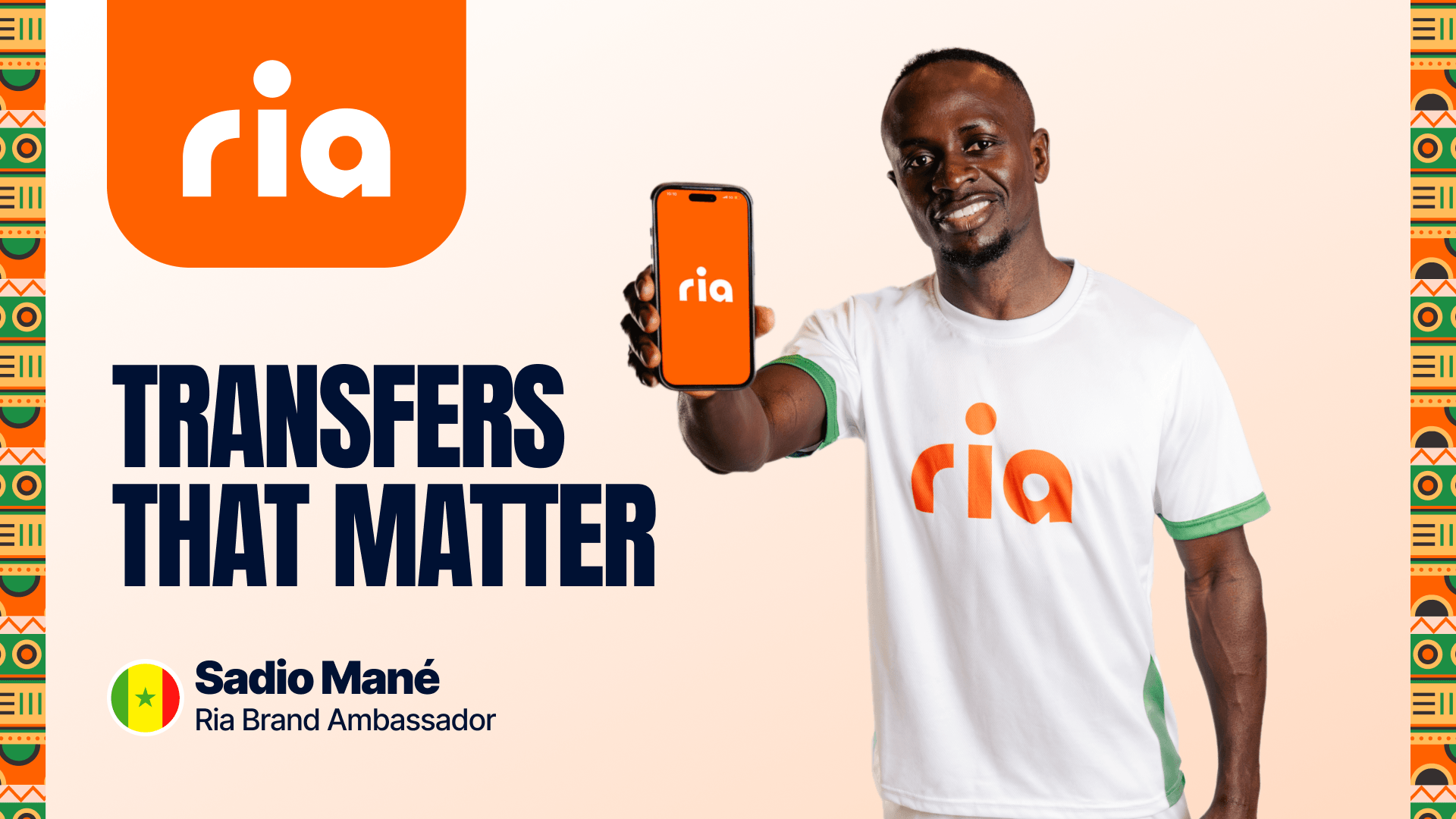
Sadio Mané and Ria: Empowering the Global Diaspora
Sadio Mané is considered one of the best and most recognizable African footballers of all time. But the Senegalese striker is more than just a global football icon: throughout his career, he’s reinvested his earnings back into his community, bridging the gap between football, migration and financial empowerment. That’s why at Ria we are extremely […]

How to Build a Monthly Money-Sending Routine
When your loved ones receive the money you send each month, it brings peace of mind on both sides: they can cover everyday needs, and you know your hard-earned money is making a real difference. But without a plan, it can slip into last-minute stress, surprise costs, or missed transfers altogether. The good news? With a simple routine, […]