)
)
A Brief History of Remittances and Immigration in Senegal

Senegal houses many wonders such as a village made of seashells, a pink lake called Retba, and jollof rice. So, it is no wonder the West African country is also home to over 270,000 international immigrants.
Dakar, the country’s capital and socioeconomic focal point, is a popular hub for migrant workers. However, this trend has flipped in the past 30 years due to economic adversity, with Senegalese citizens now being the ones to migrate.
Yet, the Senegalese are resourceful people, currently fighting back deforestation with agroforestry and poverty with remittances.
Senegal’s relationship with immigration
With the median age estimated at 17.8 years (against a global value of 30.3), a case could be made that Senegal counts with a solid incoming workforce. Yet, the dire economic circumstances and limited job opportunities have left the dependency ratio at 81.55%, meaning almost the entire population depends on somebody else financially.
The search for better job opportunities is one of the main motivations for Senegalese migrants. Deforestation has displaced many, as more than 50% of citizens live off the land in rural areas.
As to be expected, France is a popular destination for migrants of their former colony, with Marseille becoming a Senegalese hub thanks to the many who joined the French colonial army and later found work in the city.
Other popular choices for migrants are Italy and Spain, for their job opportunities in agriculture and hospitality, the United States, and neighboring countries in West Africa.
Even though approximately 4-5% of the Senegalese population has left their home country in search of something more, immigrants still find opportunities around Dakar. The vast majority of them (87.8%) come from sub-Saharan Africa, but smaller groups also come from France, North Africa, and the Middle East.

The impact of remittances in Senegal
In 2021, Senegal received an estimated US$2.66 billion in remittances, representing 9.6% of the country’s GDP.
The impact of remittances in poverty reduction and socioeconomic development can be life-changing for families and communities. Remittance-receiving households in Senegal have a significantly increased income compared to those who don’t receive funds from abroad.
These contributions are important given that, according to data compiled by the UN’s International Fund for Agricultural Development, 70% of remittances are used for current expenses (including health and education), around 20% for expenses linked with production (like agricultural supplies and commerce) and the rest for social events and savings.
Boosting diaspora engagement has become a priority for the Senegalese government, which is promoting new policies to incentivize people living abroad to invest in the country and its private sector and finance infrastructure needs.
Countries in Sub-Saharan Africa need better access to remittance services, and this can only be accomplished if competition is encouraged in the region. Exclusivity deals restrict the number of providers, increasing prices and hindering the reach of remittances.
Ria’s presence in Senegal
Malick Seck, Ria’s Managing Director for Africa, is a forerunner and advocate for sustainable remittance services in his native Senegal. Based in our Dakar hub, Malick travels the world spreading his passion for financial inclusion and development in Africa.
“Senegalese people, like their African brothers, are economic warriors. They are the ones pushing for change, boosting the country’s economy and bringing business back to Senegal,” Malick shared. “As managing director, I focus on the fight against exclusivity deals and looking for innovative ways to connect Africans with their loved ones, especially those who live in remote areas and have limited access to financial facilities.”
In Senegal, Ria partners with Ecobank, La Poste, Banque Atlantique and others to make sending and receiving money even easier for our customers. Customers that can’t access a physical Ria location and prefer digital payments can easily send money from our Ria app to an Orange Money wallet in Senegal. It’s fast, simple, and secure, like all our services.
Do you need to send money to or from Senegal? You can use our web, app, or visit your nearest Ria location.
About the author

Gabrielle van Welie
Gabrielle van Welie is Ria's Global Content Manager. Originally from Dominican Republic, she specializes in the cultural impact of remittances and migration across the globe.
Related posts

The Currency of Caring: The Human Side of Remittances
Every year on June 16th, the world observes International Day of Family Remittances. On that date, we recognize the millions of migrants who send money back home to support their loved ones, helping build a better future for countless households across the globe. Although there is a lot of data about the financial impact and […]

How Mobile Wallets Are Expanding Financial Inclusion in Emerging Markets
In the last decade, there has been a surge of applications and services that enable people to store, send, and receive money without needing a traditional bank account. Digital financial services such as mobile wallets have emerged as an accessible option for millions of unbanked people. These alternatives have become the first point of access […]
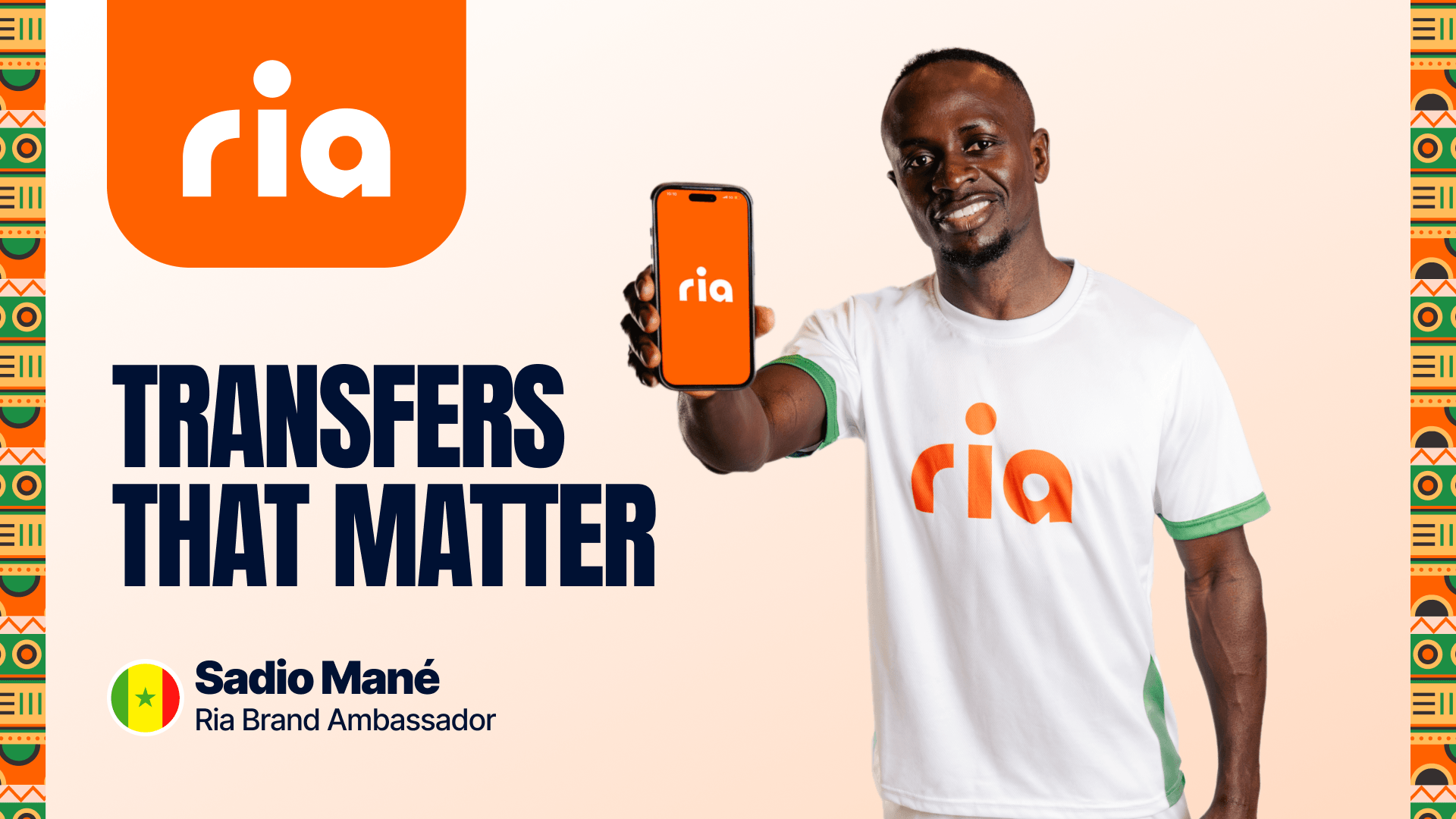
Sadio Mané and Ria: Empowering the Global Diaspora
Sadio Mané is considered one of the best and most recognizable African footballers of all time. But the Senegalese striker is more than just a global football icon: throughout his career, he’s reinvested his earnings back into his community, bridging the gap between football, migration and financial empowerment. That’s why at Ria we are extremely […]
How to Build a Monthly Money-Sending Routine
When your loved ones receive the money you send each month, it brings peace of mind on both sides: they can cover everyday needs, and you know your hard-earned money is making a real difference. But without a plan, it can slip into last-minute stress, surprise costs, or missed transfers altogether. The good news? With a simple routine, […]