)
)
The Rich History of Baseball in Japan: A Beloved Sport and Cultural Phenomenon
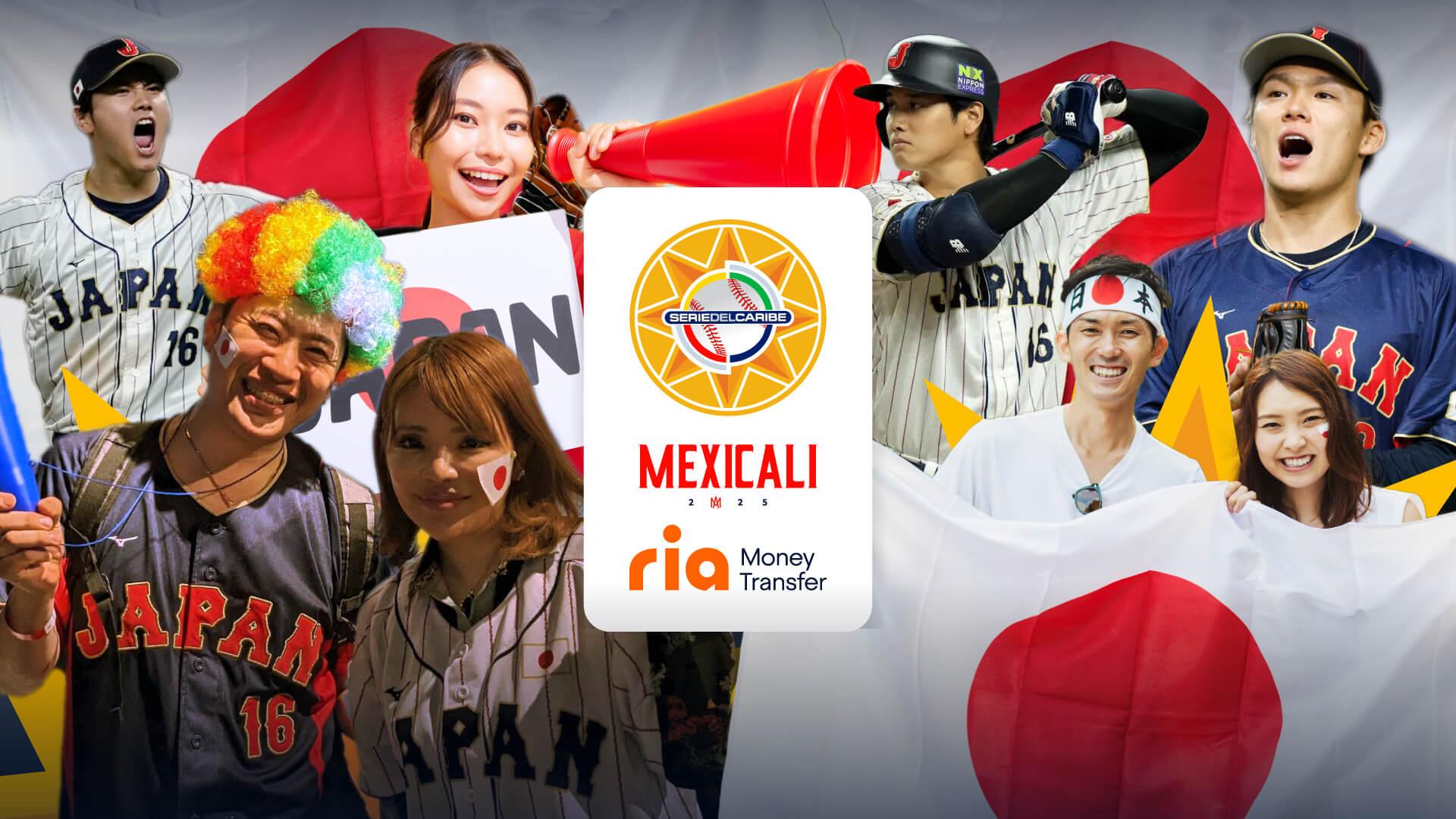
Baseball in Japan holds a special place in the country’s culture. It blends seamlessly with the nation’s traditions and its values since it was first introduced over 150 years ago, as the sport has grown from a Western import to a favorite Japanese pastime.
But why is baseball so popular in Japan? Well, the combination of NPB teams, legendary Japanese MLB players and the country’s well-known discipline, purpose and teamwork is what has elevated the sport to a cultural phenomenon.
History and Evolution of Baseball in Japan
Early baseball in Japanfirst landed on the nation’s shores sometime after 1859. It was further expanded within the country by Horace Wilson, an American teacher, who introduced it as a school sport in 1872. The first baseball team was founded it 1878, the Shimbashi Athletic Club, marking the start of organized amateur baseball in Japan.
Following a convincing win by a Tokyo high school team against a team made up of foreigners in 1896, the sport exploded in popularity and growth, leading to the formation of amateur leagues.
That victory made such an impact on the perception of the country that it was talked about years later and was the catalyst for expansion. “The game spread all over the country, even in children far away from Tokyo were to be seen playing with bats and balls,” said Tsuneo Matsudaira in 1907 to the Japan Society of the UK.
Over the decades, baseball in Japan has hit several milestones, including the hosting of the first World Baseball Classic (WBC) in 2006 and winning it multiple times.
But professional baseball didn’t begin in Japan until 1936 with the formation of the Japanese Baseball League. It would later reorganize into Nippon Professional Baseball (NPB) in 1950 and remains as the topflight of baseball in the country.
Major Leagues, Teams, and Japanese Baseball Players
NPB is the foremost professional baseball league in Japan. Consisting of two separate divisions – the Central League and the Pacific League — each league has six teams, for an overall of 12 in the country. Iconic sides that boast rich histories and a passionate fanbase include the Yomiuri Giants, regarded as the equivalent to the New York Yankees, and the Hanshin Tigers.
Moreover, the NPB and professional baseball in Japan share many similarities with the MLB, though there are some key differences. These include larger roster sizes, smaller balls and playing fields, as well as the fact that games may end in a tie if there is no winner after 12 innings (9 innings plus 3 additional innings).
High school baseball is also a huge part of Japanese baseball culture. The annual Koshien tournament, Japan’s biggest sporting spectacle, is played among the best high school teams at the Hanshin Koshien Stadium. It’s also the gateway to playing the sport professionally and serves as the breeding ground for future baseball stars, as was the case for Hideki Matsui, Ichiro Suzuki and Shohei Otani.
These iconic players and largely famous players are just some of the most talented Japan has ever produced, showcasing the nation’s talent across the globe. Recent Hall of Fame inductee Ichiro Suzuki is the pinnacle of what Japanese baseball can achieve, becoming the first Japanese player to reach Cooperstown. Another baseball legend is Sadaharu Oh, who hit a world record 868 home runs throughout his career.
Baseball Culture in Japan
Japan’s baseball stadiums are equally as part of the game day experience as the matches themselves. Tokyo Dome, where the Yomiuri Giants play, is an iconic venue and is often referred to as The Big Egg. The Hanshin Koshien Stadium is also cherished by many Japanese baseball fans because of the historic high school tournament.
Japanese baseball fans are renowned for their passion towards their clubs and its players. On game day, stadiums become makeshift concert halls that create deafening atmospheres, with many supporters blasting songs and singing bespoke tunes for each individual player.
Japanese fans often reflect the values instilled into them since they were young: teamwork, discipline and respect.
International Influence and Achievements
When it comes to playing on the global stage, Japan has had a stellar track record and shows impressive baseball scores, season after season. This is particularly true with the World Baseball Classic (WBC), an international professional baseball tournament that replaced the old Baseball World Cup.
The inaugural edition in 2006 was won by the Japanese national team, nicknamed Samurai Japan, and they would go on to repeat the feat in 2009 and 2023, highlighting their dominance on the global stage.
Similarly, the Japanese influence in the MLB, the biggest baseball league in the world, is also growing. A trailblazer for future generations, Hideo Nomo is often credited as the player to open up the MLB to more of his compatriots, as well as setting off a wave of Nomo-mania thanks to his unique tornado windup whenever he was pitching.
Similarly, Ichiro Suzuki made the headlines throughout his career thanks to ten consecutive 200-hit seasons and ten Golden Gloves, while Shohei Ohtani is redefining the game as a pitcher-hitter, often being nicknamed the Babe Ruth of Japan. These stars only go to show the global impact of Japanese baseball talent.
The Future of Baseball in Japan
Baseball in Japan goes beyond the field – it’s a cultural cornerstone reflecting core Japanese values. From its introduction as a school activity to its rise as a national passion, the sport has become deeply rooted in Japanese society, much as it is in the Dominican Republic, Puerto Rico, Mexico and Venezuela.
Today, the sport thrives on all levels and Japanese fans are known for their hardcore passion, creating electric atmospheres that enhance every game.
The nation’s global baseball success, including multiple World Baseball Classic titles and MLB stars like Ichiro Suzuki and Shohei Ohtani, showcases the nation’s talent and influence. These athletes exemplify how Japan’s approach to baseball combines tradition with innovation.
Japan will also be making their debut at the Serie del Caribe 2025 presented by Ria Money Transfer, so make sure to follow us on social media to stay up to date with everything related to the tournament, which starts later this week.
About the author

Shay Conaghan
Your friendly neighbourhood Content writer. Scottish-Spanish, or something along those lines.
Related posts

Living in Japan as a Foreigner: How to Read the Room and Feel at Home
Japan always leaves a strong impression on those who visit the country. Its cities are clean and efficient, public transport is known to be reliable, and everyday life often feels remarkably organized. These factors make it easy to understand why so many people choose moving to Japan as a foreigner: to live, work or study
From Dance to Values: Uncovering the Full Iceberg of Culture
Are you familiar with the “Iceberg of Culture”? Developed by anthropologist Edward T. Hall, it shows that culture goes far beyond what we can see, shaped as much by visible expressions as by deeper, often invisible elements. On World Day for Cultural Diversity, we’re exploring both sides of that iceberg. From language and dance to []
International Dance Day: How Movement Connects Cultures
Dance is a timeless art expressed through movement. It has been used by humanity for millennia to convey meaning and emotions. To this day, dances hold memories and wisdom from ancestral times. They’re a powerful marker of identity that transcends borders and ages, bringing cultures together. That is why many migrants use dance as way []
We Folded One Thousand Cranes for Children
Key Takeaways ▪ Senbazuru is a Japanese tradition of folding 1,000 paper cranes to express hope, healing, or peace.▪ The paper crane symbolizes long life and resilience in Japanese folklore.▪ Sadako Sasaki, a Hiroshima bombing survivor, made the tradition globally known while battling leukemia.▪ Her story turned the paper crane into an international symbol of []