

Why People Send Money Home: Remittances by Region Explained
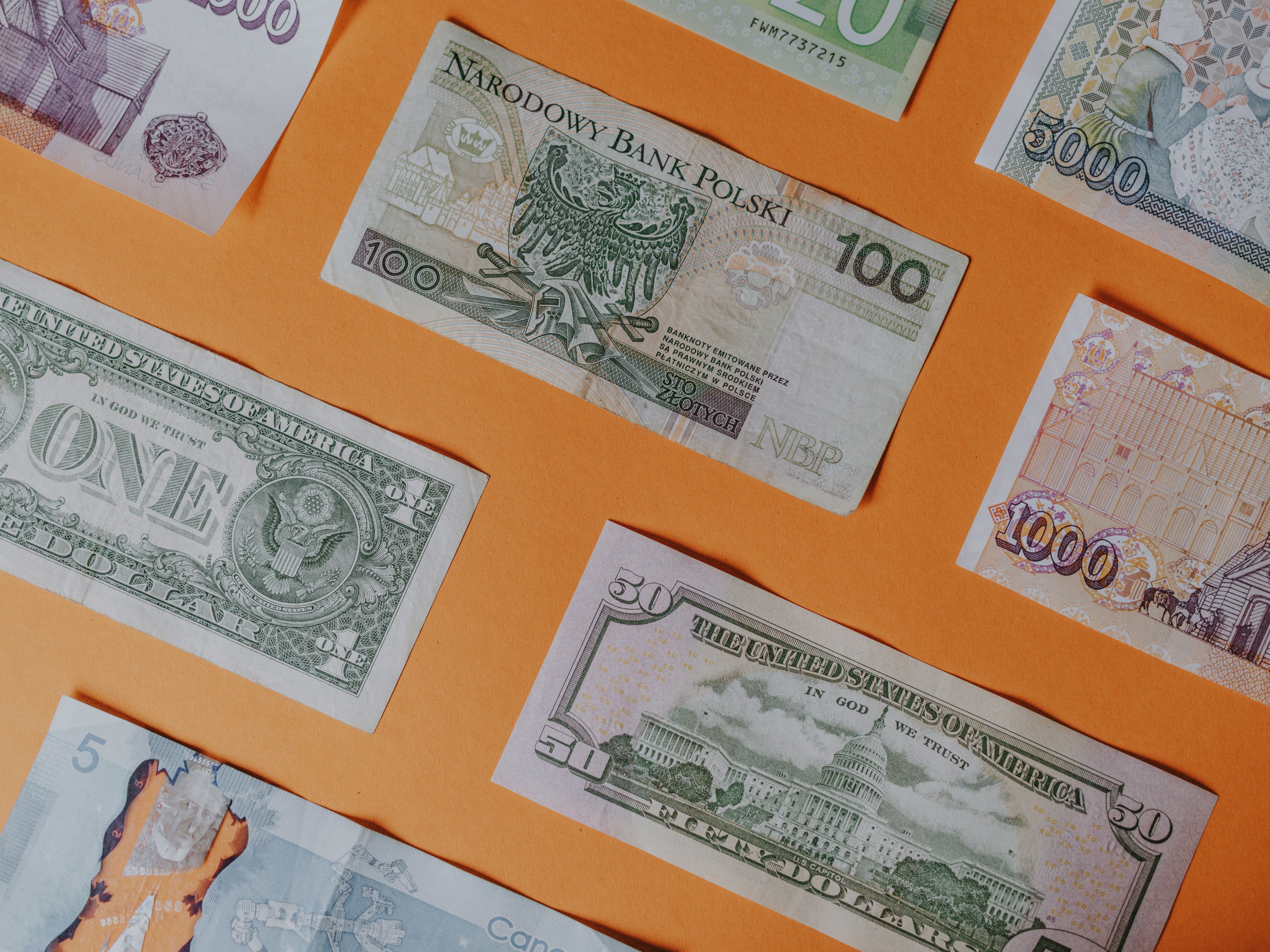

A transfer sent home can mean groceries for the week, next month’s rent or support when an unexpected expense arises. The reason behind each payment is personal, but the purpose is often the same: helping families manage their everyday needs.
To better understand the human experiences behind these transfers, Ria published The Currency of Caring: The Human Side of Remittances, a study exploring the motivations, emotions and habits associated with sending money home, as well as the influence of culture, migration and identity.
Our study found that remittances can express pride, responsibility and connection, while helping families pay for education, celebrate important occasions or invest in longer-term goals.
These priorities are shared around the world, although their balance changes from region to region. Local traditions, migration patterns (including economic migration) and annual calendar and annual calendars all influence why people send money and when that support is most needed.
Remittances by Region: What Drives Money in Each Part of the World
Remittance flows show that officially recorded remittances to low- and middle-income countries were estimated to reach $685 billion in 2024. However, the importance of remittances cannot be measured by dollars alone.
Behind those figures are millions of individual decisions shaped by family responsibilities and life back home. As we found in our study, cultural background can influence how, when and why people send money, giving each transfer a meaning that extends beyond its financial value. A transfer might help cover the weekly shop, pay a school fee, contribute to a wedding or support relatives during a religious holiday.
Latin America and the Caribbean: Household Budgets, Mother’s Day and the Family Home
Across Latin America and the Caribbean, remittances are closely connected to the monthly household budget. Money sent from abroad can help families pay for groceries, utilities, transport and other recurring costs.
Housing is another common priority. Rather than financing an entire home at once, families may use transfers to buy materials, add a room or make gradual improvements over several years.
The calendar can also affect sending patterns. Mother’s Day is celebrated in May across most Latin American and Caribbean countries, while Christmas and the December holidays bring additional expenses for gifts, food and family gatherings. In some communities, migrants also contribute collectively through hometown associations, pooling money for schools, roads and other local projects.
In dollarized economies such as Ecuador, El Salvador and Panama, recipients can receive US dollars without first converting the funds into a local currency.
South Asia: Migration Costs, a New House and Family Milestones
Many remittance corridors into South Asia begin in Gulf countries such as the United Arab Emirates, Saudi Arabia, Qatar, Kuwait, Oman and Bahrain. Workers living there regularly send money to relatives in India, Pakistan, Bangladesh, Nepal and Sri Lanka.
For some families, the main priority is repaying the costs associated with migration, including recruitment, visas and travel. Once those expenses are covered, remittances may support the construction of a pucca, or permanent, house. A new or improved home can provide long-term security and represent the results of years spent working abroad.
Money transfers may also help pay for weddings and other family milestones. Religious and cultural occasions shape the calendar too, from zakat and zakat al-Fitr during Ramadan to celebrations such as Diwali, Dashain and Tihar.
East Asia and the Pacific: Tuition Cycles, Balikbayan Boxes and Lucky Money
Education is a major reason families send money to the Philippines, particularly when tuition and school-supply costs rise at the beginning of the academic year. Christmas, which is celebrated over an extended season in the country, can also bring increased spending on food, gifts and travel.
Support does not always arrive as cash. The balikbayan box, typically filled with clothes, food, toiletries and gifts, remains a familiar way for overseas Filipinos to send practical items home.
In Vietnam and China, Tet and Lunar New Year are important family occasions. Transfers can help cover travel and shared meals or provide lì xì and hongbao, the red envelopes traditionally given as gifts.
Remittances play an especially prominent role in some Pacific island economies. World Bank estimates for 2024 placed remittances at around 38% of GDP in Tonga and 26% in Samoa, where transfers can help families fulfill household, church and community responsibilities.
Sub-Saharan Africa: School terms, Extended Family and Land Back Home
School calendars strongly influence when families send money across Sub-Saharan Africa. At the beginning of a new term, households may need to pay fees and purchase uniforms, books and other supplies at the same time.
Transfers also help cover healthcare expenses and support extended family networks. Though the person receiving money may be a parent, support can reach siblings, cousins and other relatives too. Funerals, naming ceremonies and community occasions can create additional costs shared across a wider family.
For longer-term security, migrants may invest in land or housing back home. In rural areas, money can also be timed around planting seasons to pay for seeds, fertilizer, equipment and labor.
Mobile money has made it possible for many recipients to access funds through their phones, including in areas where traditional financial services may be harder to reach.
Middle East and North Africa: Religious Giving and Summer Homecomings
In the Middle East and North Africa, Ramadan and Eid are important periods for family support and charitable giving. Transfers may include zakat, zakat al-Fitr before Eid prayers or Eid gifts for children, alongside money for meals and celebrations.
Summer can bring another rise in family spending, as migrants living in Europe often return to countries such as Morocco, Algeria and Tunisia during July and August. Money brought or sent home may cover family expenses, travel and home renovations.
Europe and Central Asia: Seasonal Work and Caring for Aging Parents
Seasonal and circular migration play a significant role in remittance patterns across Europe and Central Asia. People working in agriculture, construction and other seasonal industries may send money in larger amounts at the end of a contract instead of making equal monthly transfers.
Supporting aging parents is another important reason for sending money. Transfers can help families in countries including Poland, Romania, Ukraine and Georgia cover medical treatment, care and everyday living costs.
In parts of Central Asia, remittances also account for a significant share of the wider economy. World Bank estimates placed remittances at around 45% of Tajikistan’s GDP in 2024, the highest proportion among low- and middle-income countries that year.
The Remittance Calendar: When and Why Sending Peaks by Region
Remittances do not move evenly throughout the year, they ebb and flow. In January and February, Lunar New Year and Tet bring spending on red envelopes, meals and travel in East Asia. The start of school terms creates demand for tuition and supplies in countries across Africa and in the Philippines in September.
Because Ramadan follows the lunar calendar, its timing changes each year, but the need to prepare for zakat, Eid gifts and festive meals remains. Mother’s Day can influence transfers to Latin America in May, while summer homecomings bring travel and renovation costs across North Africa.
Later in the year, Dashain, Tihar and Diwali create additional family expenses in South Asia. December then brings Christmas and year-end celebrations across Latin America, the Philippines and parts of Africa. Agricultural calendars matter too, with transfers helping rural families buy supplies ahead of planting and harvest seasons.
Beyond Cash: Other Ways Families Support Each Other Across Borders
Cross-border support takes many forms. In-kind remittances such as the balikbayan box carry useful goods instead of money. Reverse remittances move in the opposite direction, with families at home supporting students or newly arrived relatives abroad.
Communities may also pool collective remittances to repair a school, clinic, road or place of worship. Social remittances go further still, bringing home skills, business knowledge, health practices and new ideas about education.
As our study shows, remittances are more than financial transactions. They are expressions of care, responsibility and connection across borders.
Download The Currency of Caring: The Human Side of Remittances to learn more about the motivations, emotions and experiences behind sending money home.
Whatever the reason, and wherever home is, we’re here to help it arrive. Send money with Ria using our app, through our website or at one of our locations.
FAQs
What is a remittance?
A remittance is money sent by someone living or working abroad to family or friends back home, often to cover everyday expenses or other important needs.
Why do immigrants send money home?
Mostly to support family with essentials like food and rent, but also for education, housing, migration costs, and special occasions, depending on the region.
What are remittances used for?
Mostly for immediate needs such as food, healthcare, education, and rent, with the remainder often going toward housing, savings, or small businesses.
Which country receives the most remittances?
India is the world’s largest recipient of remittances, followed by Mexico, according to World Bank data.
Why do people migrate?
People migrate for work, better wages, education, family, or to escape conflict, disasters, and climate pressures. Supporting relatives back home can also be part of the decision.
What is a reverse remittance?
A reverse remittance is money sent from the home country to a family member abroad, such as parents supporting a student or a newly arrived relative.
About the author

Shay Conaghan
Your friendly neighbourhood Content writer. Scottish-Spanish, or something along those lines.
Related posts

Which banks and wallets support Bre-B in Colombia?
Bancolombia, Davivienda, Nequi, Daviplata and many more. Here's which Colombian banks and wallets support Bre-B, how to check yours, and how to send money to a Bre-B key from the U.S.

Why Migrants Send Money: The Emotional Side of Remittances
Sending money home is about more than financial support. Explore the pride, love, responsibility and pressure behind remittances and what they mean for migrants.

How to send money on WhatsApp with Ria: Your complete guide
Everything you need to send money with Ria on WhatsApp: what to have ready, transfer limits, payment, delivery options and how the chat works from start to finish.

What is Bre-B and how does it work?
Bre-B is Colombia's instant payment system. Learn how llaves work, what Bre-B costs, its transfer limits, and how to send money to a Bre-B key from abroad with Ria.