)
)
Ramadan: The Importance and Differences of Zakat and Sadaqah
)
)
Every year, approximately two billion people across the globe observe Ramadan, fasting for thirty days as an act of spiritual discipline. Yet, Ramadan, the holiest month in the Islamic Hijri calendar, is about more than merely reinforcing one’s faith. Beginning and ending with the appearance of the crescent moon, Ramadan is period of reflection that encourages Muslims to think of others and give generously to those less fortunate than themselves. Central to this charitable ethos are Zakat and Sadaqah. Combined, the two play a major role in alleviating the difficulties underprivileged communities face, especially during the holy month.
Given the importance of Zakat and Sadaqah, particularly during Ramadan, let’s explore the core differences between the two charitable causes as well as their wider impact on the Islamic world.
Understanding Zakat
Zakat: The Third Pillar of Islam
The pillars of Islam are duties that bind Muslims to five specific causes: Declaration of faith (Shahada), obligatory prayer (Salah), compulsory giving (Zakat), fasting (Sawm), and pilgrimage to Mecca (Hajj). Zakat, meaning “to cleanse”, occurs once a year and involves Muslims giving away a percentage of their wealth to aid the poorest in society. In doing so, Muslims purify their wealth, blessing their remaining possessions and removing any evil from their prosperity. Functioning like a mandatory tax, Zakat has been instrumental throughout Islamic history, easing the suffering of millions of poorer Muslims.
How is Zakat calculated and who is eligible to pay?
Given the Islamic practice first took place over 1,400 years ago, the method for calculating Zakat is very different to how wealth is determined in modern everyday life. Nisab, the minimum amount a Muslim must obtain before having to pay Zakat, is commonly 87.48 grams of gold or 612.36 grams of silver. With Zakat being considered a sacred form of worship, all Muslims whose income and possessions exceed this amount must pay it.
This means, most Muslims have to regularly check the price of these precious metals and evaluate the value of all their possessions to determine whether they have crossed the threshold or not. Once reached, Muslims usually give away 2.5% or 1/40th of their overall wealth. Given the complex nature of these calculations, many Muslims turn to online Zakat calculators to ensure they are donating the correct amount.
Zakat & Ramadan
Zakat can be paid at any time of the year, but many Muslims believe that paying Zakat during Ramadan brings additional fortune for the year ahead. Ramadan is the month in which the Quran was revealed to the Prophet Muhammad, and, as a result, the 30-day period is considered a time of heightened devotion as Muslims seek to emulate the Prophet’s generosity.
Another reason Zakat is often paid during Ramadan is practicality. Globally, millions of Muslims have moved to non-Muslim majority countries that use the Gregorian calendar. Being approximately 10 days longer than the Islamic Hijri calendar, it is very common for Muslims living abroad to lose track of which month it is. For this reason, they tend to pay Zakat during Ramadan.
Understanding Sadaqah
Sadaqah: An Act of Charity
Literally meaning “righteousness”, Sadaqah is the concept of giving charity to someone without seeking anything in return, acting generously solely to please Allah. Featuring in the Quran thirteen times, this voluntary deed is viewed as a sign of sincere faith in Islam’s holy mission to alleviate the pain of innocent people and construct a healthy society.
Sadaqah vs. Sadaqah Jariyah
Sadaqah can be given in various forms. In many cases, Muslims make online donations to charities, support food banks or leave sums outside their local mosques in special Sadaqah boxes. However, Sadaqah does not need to be a monetary donation. Simple good deeds such as a smile or offering a helping hand can also be deemed forms of Sadaqah. Other examples include guiding the blind, removing stones from roads and paths among other acts of compassion.
Sadaqah Jariyah is a slightly different concept in the respect that the charitable act must result in ongoing societal benefits. For example, helping to build a school, supporting local water projects, or planting a tree. Given these generous acts result in continued benefits for humanity, donors are also said to be blessed beyond their lifetimes.
Sadaqah & Ramadan
While donations can be made at any time, Sadaqah takes on a special significance during Ramadan. Being the month of mercy and forgiveness, Muslims tend to increase both their donations and compassion throughout Ramadan, mirroring the Prophet who gave most generously during the fasting period. In line with this heightened level of generosity, individuals that perform good deeds during the holy month are said to be blessed exponentially, especially those carried out in the final ten days of Ramadan. Stemming from the phrase “The Night of Power (Laylat Qadr) is better than a thousand months”, spiritual rewards in the final days of Ramadan are believed to be multiplied by 70.
Key differences between Zakat and Sadaqah
Obligation vs Voluntary
Without question, the biggest difference between the two forms of Islamic charity is the compulsory nature of Zakat, whereas Sadaqah is voluntary and can be given by any Muslim.
Specific Amount vs Open-ended Donations
While Zakat asks for a very precise monetary figure (typically 2.5% of a Muslim’s overall wealth), Sadaqah has no fixed amount or criteria and can be given freely with the intention of spiritual growth.
The Recipients
From the poorest and those overburdened with debt to wayfarers stranded on their travels, Zakat is directed towards specific groups of beneficiaries. However, Sadaqah is a form of charity that anyone can be eligible for. In fact, many Muslims give Sadaqah to poorer relatives, including those living abroad, as this is said to uphold the ties of kinship.
What do Zakat and Sadaqah have in common?
Core Similarities
Zakat and Sadaqah reflect core Islamic values of compassion and generosity. As forms of charity, they both support the ethical goal of building a greater Islamic community that cares deeply for the welfare of others.
Equally, Muslims believe that both Zakat and Sadaqah offer spiritual benefits. Purifying donors from the sins of malice and greed, acts of charity are also considered to elevate those who give, blessing them with good fortune for the year ahead.
Which is more important, Zakat or Sadaqah?
Both Zakat and Sadaqah are extremely important in Islamic culture, but they serve different purposes. The obligatory nature of Zakat means it carries significant weight in fulfilling one’s religious duties as a Muslim. Sadaqah accompanies Zakat, offering Muslims an additional opportunity to demonstrate their generosity.
Can Sadaqah and Zakat be given together?
While it is important to understand that Zakat and Sadaqah are separate entities and should be treated as such, they can be combined due to the fact Sadaqah can be given at any time, and in any amount. By doing this, Muslims ensure that they fulfill their charitable obligations whilst going above and beyond voluntarily. One advantage of combining both Zakat and Sadaqah is that the donation will have a bigger impact on the individual or community, potentially creating a lasting positive change.
Zakat, Sadaqah & Ria Money Transfer
Similar to the impact of money transfers sent by relatives overseas, Zakat and Sadaqah play a major role in providing families and underprivileged communities with greater purchasing power, reducing both poverty and inequality. Combined, the two forms of charity promote a collective identity that empowers Muslims to build an increasingly just and equitable society. While the true scale of these charitable acts is difficult to ascertain as in many cases donations are given directly to the recipients, some economists have estimated that up to $1 trillion a year is passed to the most vulnerable in society, making Zakat and Sadaqah one of the largest transfers of wealth in existence.
At Ria, we want to make participation in both Zakat and Sadaqah as easy as possible. With a global network that spans nearly 200 countries and territories, our money transfer services can help you send much-needed funds to your local community even if you’re far from home.
Looking to send Sadaqah to relatives abroad? Download the Ria Money Transfer app for iOS and Android to get started!
For more info: comms@riamoneytransfer.com
About the author

Matthew Breakell
Originally from the United Kingdom, Matthew Breakell is an experienced content creator specializing in the importance and impact of international remittance flows.
Related posts

Living in Japan as a Foreigner: How to Read the Room and Feel at Home
Japan always leaves a strong impression on those who visit the country. Its cities are clean and efficient, public transport is known to be reliable, and everyday life often feels remarkably organized. These factors make it easy to understand why so many people choose moving to Japan as a foreigner: to live, work or study
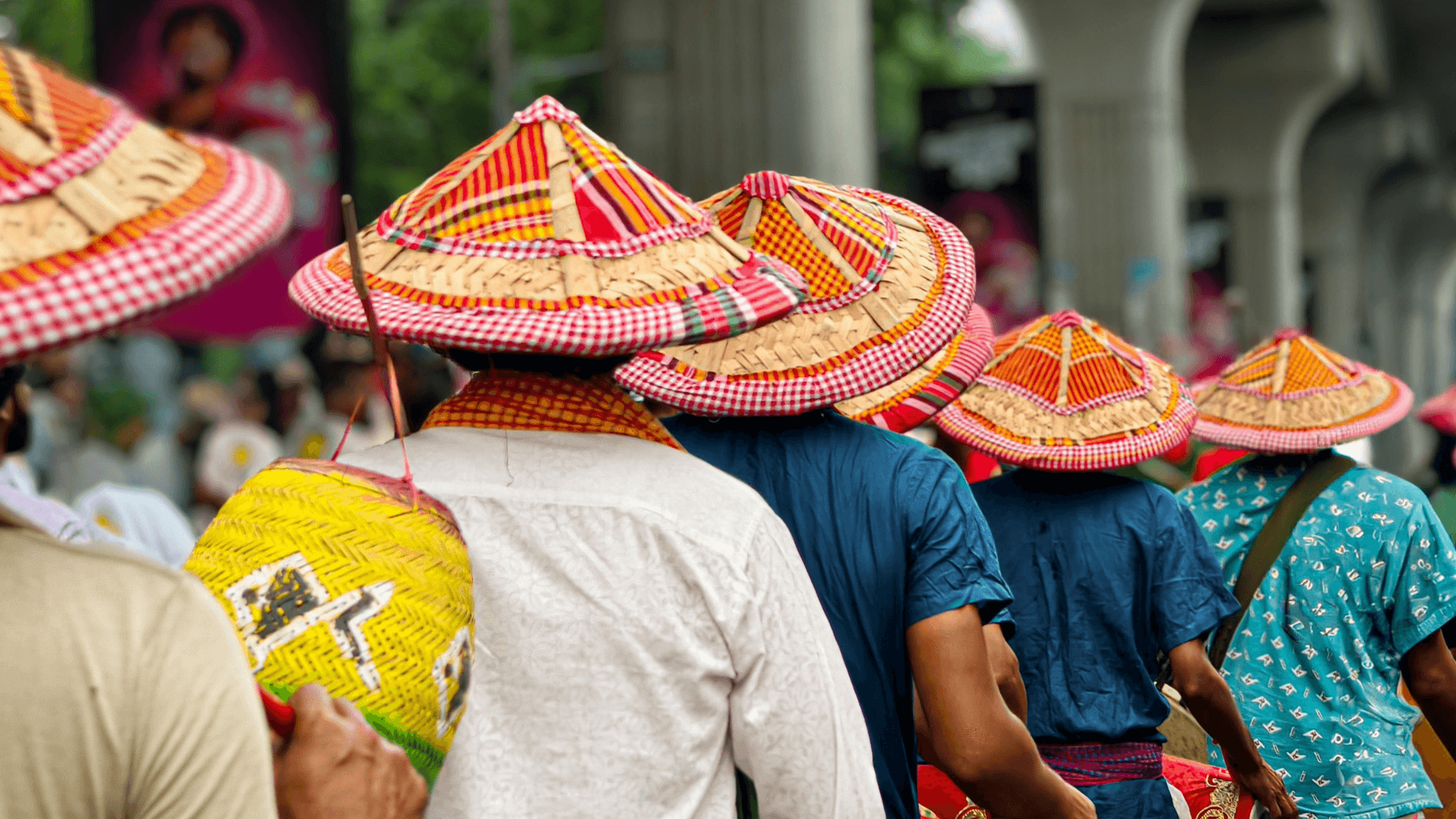
From Dance to Values: Uncovering the Full Iceberg of Culture
Are you familiar with the “Iceberg of Culture”? Developed by anthropologist Edward T. Hall, it shows that culture goes far beyond what we can see, shaped as much by visible expressions as by deeper, often invisible elements. On World Day for Cultural Diversity, we’re exploring both sides of that iceberg. From language and dance to []
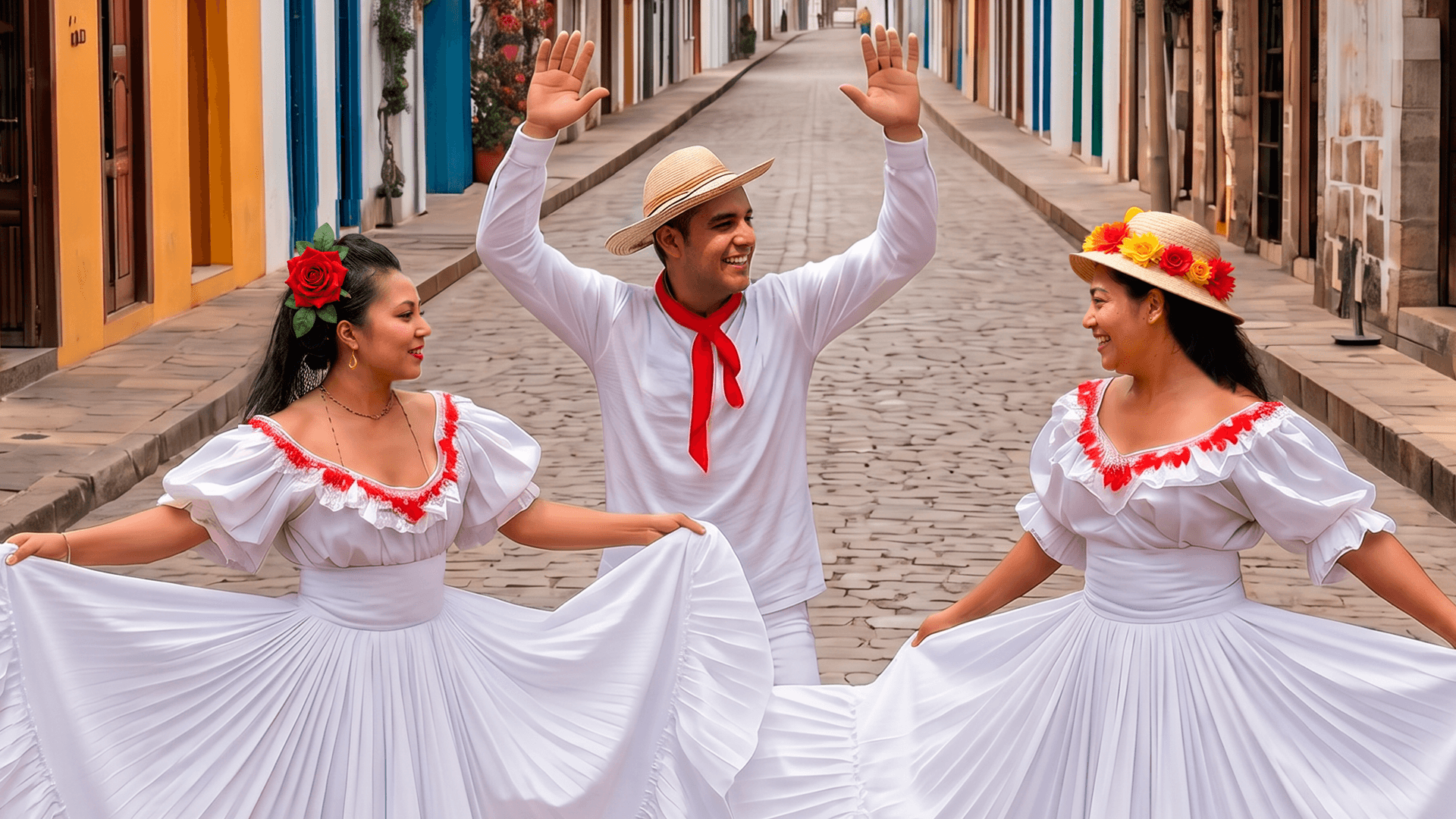
International Dance Day: How Movement Connects Cultures
Dance is a timeless art expressed through movement. It has been used by humanity for millennia to convey meaning and emotions. To this day, dances hold memories and wisdom from ancestral times. They’re a powerful marker of identity that transcends borders and ages, bringing cultures together. That is why many migrants use dance as way []
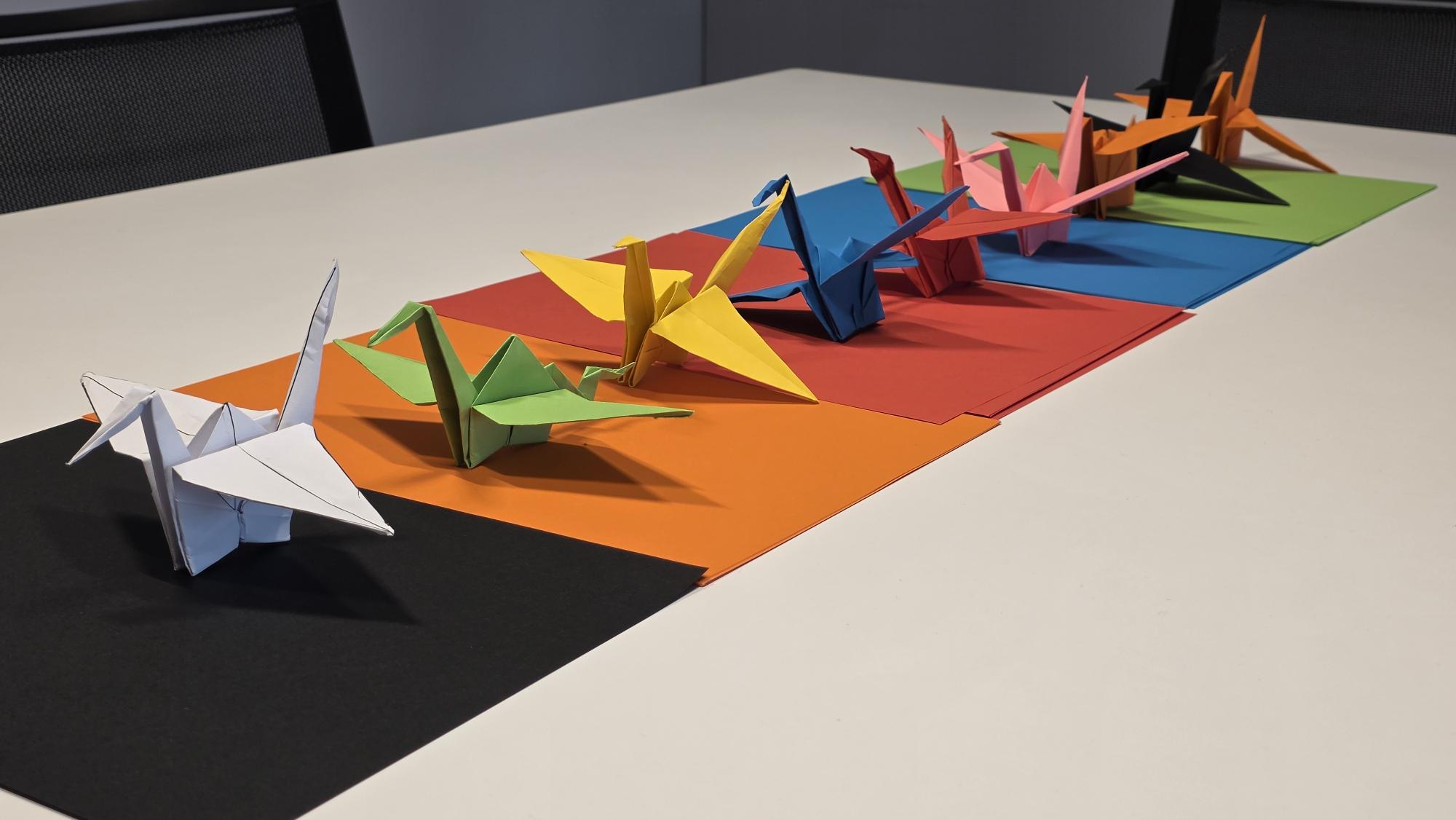
We Folded One Thousand Cranes for Children
Key Takeaways ▪ Senbazuru is a Japanese tradition of folding 1,000 paper cranes to express hope, healing, or peace.▪ The paper crane symbolizes long life and resilience in Japanese folklore.▪ Sadako Sasaki, a Hiroshima bombing survivor, made the tradition globally known while battling leukemia.▪ Her story turned the paper crane into an international symbol of []