)
)
The Evolution of Migrant Communication: From Letters Home to Instant Messaging
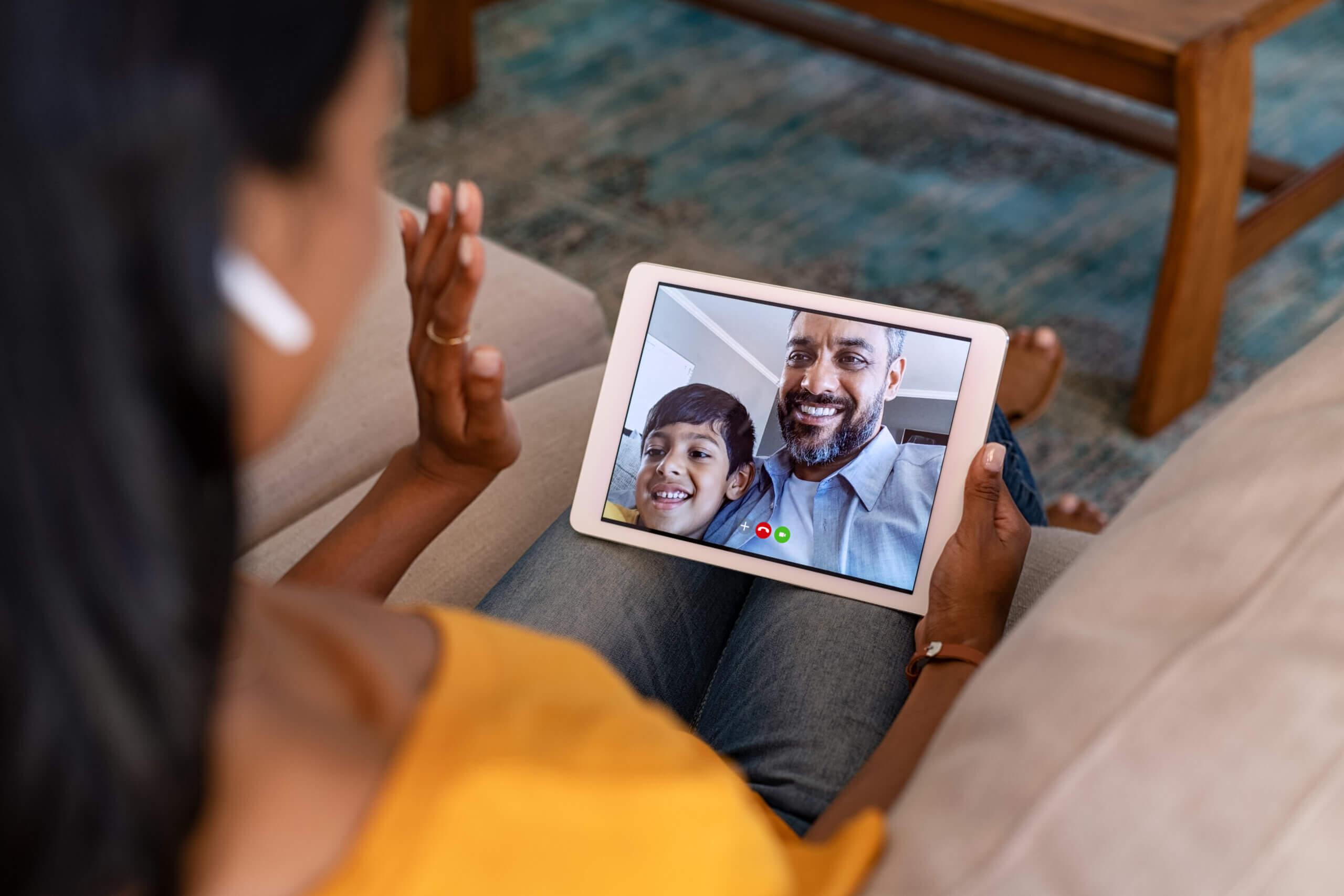
For millennia, people have been traveling and moving across borders. Although much has changed over the years, one common aspect remains: the desire to keep in touch with those we have left behind.
It can be hard to get your bearings in an unfamiliar country with a different culture and set of rules. So, it’s natural to turn to family and friends for help.
Maintaining a steady communication with them nurtures this bond, makes you feel safer, and more in touch with your roots. Without this support system, people tend to feel more isolated, which also impacts their mental health.
Today, there are countless apps and platforms that enable you to stay in touch with those you care about most, no matter the distance. But that was not always the case.
In this post, we’re going to take a look at the history and evolution of communication over the years. We’ll dive into the crucial role of the digital era in the lives and identities of migrants. And we’ll talk about technology’s barriers and risks, and how to best prevent and protect yourself against them.
Key Takeaways
▪ Migrant communication has evolved from slow letters to instant messaging, making connections faster and easier.
▪ Technology enables migrants to maintain family ties, build communities, and share stories across borders.
▪ Instant messaging provides convenience and emotional support, but also brings challenges like digital literacy and privacy concerns.
▪ Digital tools foster transnational identities and global networks, helping migrants overcome distance and isolation.
▪ Despite new technologies, the emotional need for connection remains central to the migrant experience.
▪ Online communities and messaging apps empower migrants to connect, find support, and reduce isolation.
▪ The future of migration communication is digital, inclusive, and adaptive.
▪ The digital era introduces challenges and risks, including the digital divide, privacy threats, and scams—making digital literacy and security essential.
A Brief History of Migrant Communication
Today, we can message our friends at any time of the day or call our family with just a few taps. But it was not always so easy and fast to keep family connections and stay in touch with people who live far away from us. It could take days or even weeks for our message to reach loved ones that can now be sent instantly.
Here is an overview of the evolution of the means of migrant communication:
Letters: The Original Connection
Before any of the current technology was invented, people relied entirely on letters for long-distance communication. Although they always provided a physical memento of someone’s affections, migrant letters took a long time to arrive to their destination and were irretrievable if lost on the way.
So, when new inventions appeared, people gladly embraced these alternatives. But letters have not disappeared. They are still used for official communications, publicity, and even for thoughtful personal messages.
Telegraph: Speeding Up Communication
With the industrial revolution hitting its peak around the 19th century, the world was suddenly bursting with new technologies and possibilities.
The electric telegraph came into being during this time. Basically, this technology translated messages into electric signals sent through wires. When the signals arrived at the office closest to the destination, they were transformed back into writing and delivered to the recipient.
However, the telegraph’s most notable contribution was that it paved the way for future innovations that would forever change long-distance communication.
Telephone & Fax: Voices and Documents in Real Time
The birth of the telephone in the 1850s was made possible by the technology created for the electric telegraph. It was an absolutely groundbreaking device. Before that, there was no way to transmit voices and sounds over long distances in real time.
But people still needed to send each other written messages, documents, and images. And back in the 19th century, the only existing options were letters and telegraphs. That’s where the fax machine came in. In its most performing version, it allowed users to scan documents, sending the information directly to the recipient’s machine to be printed almost instantly. Thanks to their low cost, speed, and reliability, they easily replaced telegraphs.
Emails & Instant Messaging Apps: Immediate Connections
However, the fax machine was also eventually surpassed by a new revolutionary invention: emails. With the rise of the internet and personal computers, emails became increasingly popular. By the early 2000s, they were fully established as the fastest form of written communication.
But emails were still limited in some ways. One had to be on their computer to read and send emails. At the time, people were not always online, as they are now. What changed everything was the smartphone.
Having an easy-to-carry device with internet access has fuelled the creation of countless platforms and apps offering instant messaging services, as well as voice and video calls. It has made communication almost constant and even more effortless. Talking to loved ones across borders has never been easier!
The Evolution of Human Migration: The Benefits of The Digital Era
There is more to modern communication technologies than just being able to talk to other people whenever we want. Thanks to instant messaging apps, migrants can sustain family bonds and build communities through chat, voice and video calls.
Preserving family bonds is crucial. Family and friends are your first support system. Telling them about daily life through texts and pictures can help boost your mental health. At the same time, it enables you to partake in milestones, celebrations, and traditions, helping you feel connected even while physically far from home.
Staying in touch with your loved ones also helps you connect with your culture and heritage. This is equally important for your well-being. It is a way to uphold your identity and foster a sense of belonging. Digital communication and social media enable migrants to share their heritage and stay informed about new trends despite the distance.
Beyond your family, you can also forge real connections and communities on the internet. For migrants in particular, digital diaspora groups and forums are a great source of guidance, practical tips, and emotional support. These online communities can act as lifelines, offering resources and fostering a sense of kinship in unfamiliar environments.
Digital Tools: Technology Trends, Challenges & Risks
Technology and the internet have made our lives much easier. But they also come with their share of challenges and risks.
Below, we discuss some of the most common issues:
Access Gaps
Digital inclusion is critical for migrants to communicate with loved ones, find support, and access services such as education or employment opportunities. However, there are significant barriers to accessing the internet and acquiring digital tools.
Many people around the world still lack affordable internet and devices, as well as reliable infrastructures to ensure good connectivity. This is known as the digital divide. In short, this divide limits access to essential support, resources, and information—severely impacting those who need it most. And it can make it harder for migrants to stay connected to loved ones back home, as some might face barriers to accessing online services.
Privacy and Security Threats
Lack of digital literacy can lead to higher vulnerability to cyber threats when users are not able to recognize warning signs. For example, common threats on social media and the internet include phishing emails, fake profiles, and fraudulent websites, which many can misinterpret as legitimate.
Moreover, migrants are often subjected to specific types of scams. For example, ill-intended individuals might pretend to offer legitimate legal services or money transfer solutions just to take their money.
How To Avoid These Threats
As a money transfer provider, we know we can play an important role in keeping our customer base informed about potential scams, especially related to payments and transactions.
This is why we always strive to inform our customers on the latest scams and the best ways to avoid them. We also implement strict data protection measures to protect our clients’ private information from ill-intended individuals and share guides teaching others how to keep their data safe.
It’s important to remember to always use secure platforms, enable privacy settings, double check information found online, and limit the amount of personal information you share on the internet.
By promoting digital literacy and sharing best practices for privacy and security, we can ensure these technologies become bridges, so that everyone benefits from a safer and more inclusive digital world.
The Future of Migration is Digital, Connected, and Evolving
Despite all the challenges, the digital age offers migrants unprecedented opportunities to stay connected, share their journey, get support, and receive guidance.
Instant messaging, online communities, and digital tools empower people to maintain family ties, access vital information, and build new networks across borders.
Looking for a simple and secure way to stay connected to your loved ones? Send money worldwide with Ria Money Transfer.
Download the Ria app, visit our website or find a location near you to get started.
FAQs
How did migrants communicate before instant messaging?
Migrants relied on handwritten letters, which could take weeks or months to arrive. With new inventions came faster ways to communicate, like telegrams, phone calls, and faxes. But none as fast and accessible as the current instant-messaging platforms and apps.
How has technology changed migrant communication?
Technology has made communication faster, more frequent, and more accessible. Migrants can now connect instantly with loved ones worldwide.
What are the benefits of instant messaging for migrants?
Instant messaging allows real-time conversations with individuals and groups, sharing of photos and videos, and emotional support across distances.
What challenges do migrants face in digital communication?
Barriers include digital literacy, access to devices or the internet, privacy concerns, and adapting to new platforms.
How do migrants maintain family ties today?
Migrants use instant messaging, video calls, and social media to stay connected, celebrate milestones, and support each other emotionally.
What is the impact of instant messaging on migrant identity?
Staying in touch with loved ones back home and sharing or following people who share your culture fosters a sense of belonging, affirming migrant’s identity despite the distance.
How can migrants protect their privacy online?
Migrants should use secure platforms, enable privacy settings, and be cautious about sharing personal information.
About the author

Myriam Fernández German
Myriam Fernández German is a content writer with a multicultural background who explores the social and financial impact of remittances in today's global society.
Related posts
Moving to the US from Colombia: Your Financial Checklist
Everything to sort out in your first months in the US if you're coming from Colombia: ITIN, bank account, work permit, consulate, and how to send money home.

Living in Japan as a Foreigner: How to Read the Room and Feel at Home
Japan always leaves a strong impression on those who visit the country. Its cities are clean and efficient, public transport is known to be reliable, and everyday life often feels remarkably organized. These factors make it easy to understand why so many people choose moving to Japan as a foreigner: to live, work or study
The Currency of Caring: The Human Side of Remittances
Every year on June 16th, the world observes International Day of Family Remittances. On that date, we recognize the millions of migrants who send money back home to support their loved ones, helping build a better future for countless households across the globe. Although there is a lot of data about the financial impact and []
Sadio Mané and Ria: Empowering the Global Diaspora
Sadio Mané is considered one of the best and most recognizable African footballers of all time. But the Senegalese striker is more than just a global football icon: throughout his career, he’s reinvested his earnings back into his community, bridging the gap between football, migration and financial empowerment. That’s why at Ria we are extremely []