

Famous Filipino Food: Dishes You Should Try

This year, the Philippines celebrates the 500th anniversary of various events including the introduction of Christianity to the Philippines, the country’s role in the first circumnavigation of the world, and Lapulapu’s triumph in the Battle of Mactan. This June 12th also celebrates 123 years of independence from Spain. And, really, what better way to celebrate than eating delicious food?
Filipino cuisine is the original fusion food. From Austronesian beginnings (shared with Malaysian and Indonesian cuisines) to a mixed cuisine of Indian, Chinese, Spanish, and American influences, the manner of cooking and the food associated with it has changed and evolved over many centuries.
This can cause confusion to some people due to it being hard to determine what Filipino food actually is. But don’t worry, we’ve got you covered! Below, we’ll walk you through some of the many delicious flavors and diverse names of the best Filipino national dishes.
Our list with 10 dishes that define the Philippines
Adobo. The national cuisine consisting of chicken and pork cooked in vinegar, salt, garlic, pepper, soy sauce, was heavily influenced by the Spanish adobo but embellished with soy sauce – an ingredient introduced by the Chinese. It also uses herbs native to the Philippines like bay leaves and peppercorns.
Lechon Kawali. Seasoned Pork belly slabs are deep-fried in a skillet, wok or a Filipino pan (kawali) and then cut into cubes. Generally served with a dipping sauce, such as the pork-liver based “Lechon sauce”.
Pancit. Rice noodles cooked in a sauce created from shrimp soup, pork, hard-boiled eggs, shrimp, chicharron (pork rinds). Occasionally oysters and squid are added.
Tapsilog. A typical Filipino breakfast which is comprised of cured beef (“tapa”), fried rice (“sinangag”), and a fried egg (“itlog”).
Sisig. Dish made from chicken liver, pork cheek, head, and liver, usually seasoned with calamansi (Filipino lime), onion, and chili peppers.
Crispy Pata. Deep-fried pig trotters or knuckle served with vinegar, soy sauce, and chili.
Kare Kare. Ground roasted peanuts (or peanut butter), onions, and garlic flavor this stew with oxtail, ox tripes, and loads of vegetables. It is usually served with shrimp paste (called “bagoong”), calamansi juice, and chili.
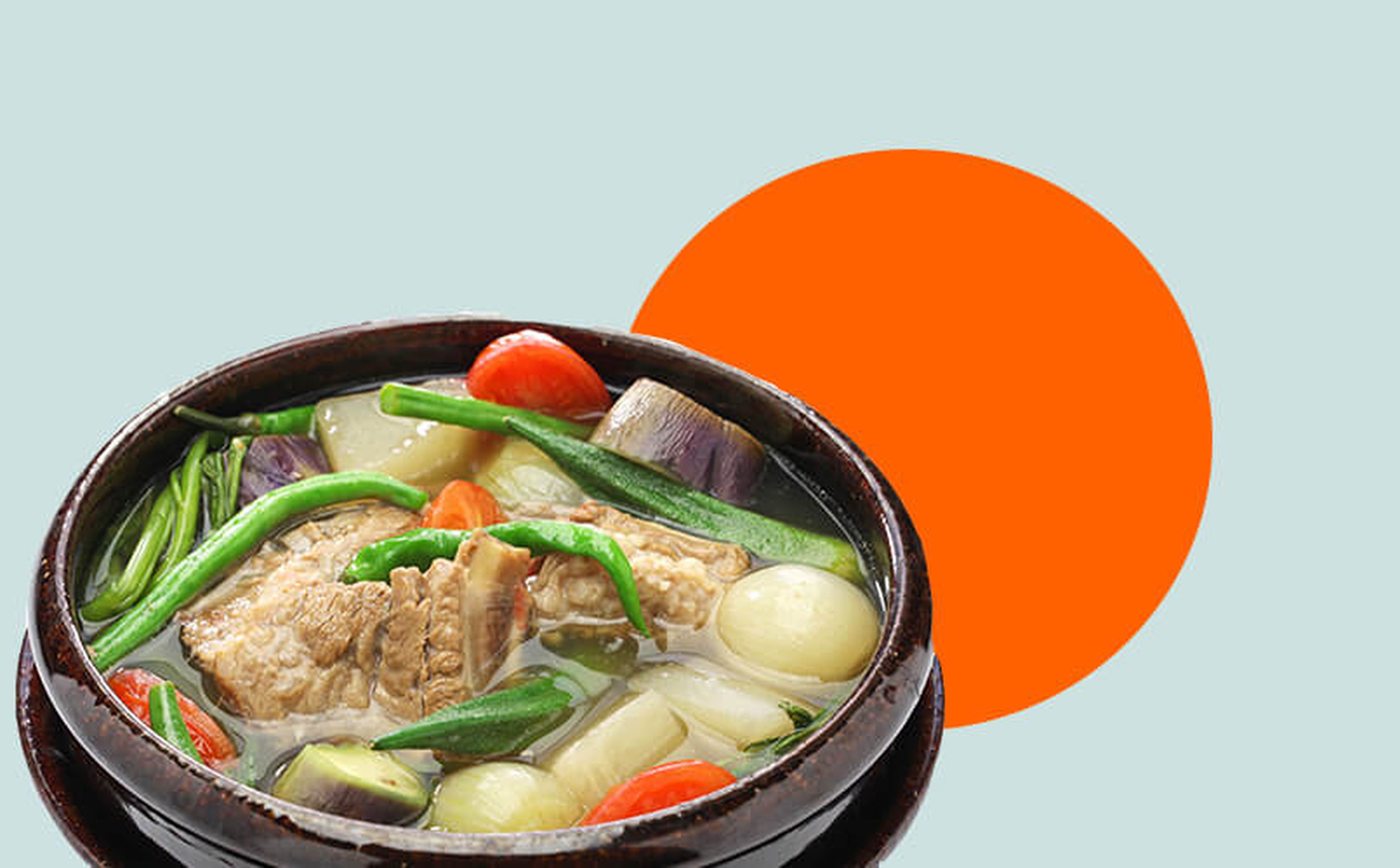
Sinigang. A fish, prawn, pork, or beef stew flavored with tamarind, kamias, or tomatoes. It’s served with rice and is usually accompanied by vegetables such as kangkong, string beans, and taro.
Balut. Not for the faint-hearted. This 19-day-old duck embryo is boiled, served with salt or spicy vinegar, and is often eaten from the shell and served with beer.
Halo Halo. In Tagalog, the word halo-halo means “mixed together.” This traditional dessert is served in a tall glass with ice shavings, evaporated milk, and a mixture of boiled kidney beans, chickpeas (“garbanzo”), sugar palm fruit (“kaong”), jackfruit, tapioca, sweet potato, sweet beans, coconut gel, ice cream, guava paste, purple yam, and more!
What makes Filipino food unique?
Traditional Filipino food is so unique because it draws inspiration from a variety of cultures. Each dish is born out of shared influences such as:
Spanish
American
Indian
Chinese
Arabic
Additionally, Filipino dishes are influenced by the unique cooking methods used in different parts of the Philippines. Each area of the Philippine archipelago has its own technique for preparing various foods, resulting in a distinct flavor. Sweet, sour, and salty flavors are prevalent in Filipino cuisine. And yes, Filipino food is also spicy – it is also found as a base flavor in some areas.
Filipino cuisine is known for its use of counterpoint, which is usually achieved by paring something sweet with something salty. Examples include: champorado (a sweet cocoa rice porridge), being paired with tuyo (salted, sun-dried fish); dinuguan (a savory stew made of pig’s blood), paired with puto (sweet, steamed rice cakes); unripe fruits such as green mangos (which are only slightly sweet but very sour), are eaten dipped in salt or bagoong; the use of cheese in sweetcakes (such as bibingka and puto), as well as an ice cream flavoring.
Is Filipino food healthy?
Filipino soups and stews can be nutritious on their own, but they take on a whole new meaning when served with large amounts of white rice. Sugar is found in everything from fruit to bread, so it is unavoidable. However, Filipino cuisine is known for being dairy and gluten-free, making it suitable for a wide range of diets and health regimens. Plus, the reliance on vinegar as a condiment keeps less healthy sauce options, usually heavier in fat and sodium, out of the menu.
The popularity of Filipino food has grown in recent years, and it is not hard to see why so many “Pinoy” restaurants have popped up around the globe. A Filipino menu offers a little of everything for everyone. We hope that this post has inspired you to visit your local Filipino restaurant to try out the cuisine for yourself!
Ready to send money? We’re here for you. Transfer money safely, easily and almost instantly with the Ria Money Transfer app – download it for iOS or Android today to get started.
For more info: comms@riamoneytransfer.com
About the author
Arthur Guzzo
Related posts


Living in Japan as a Foreigner: How to Read the Room and Feel at Home
Japan always leaves a strong impression on those who visit the country. Its cities are clean and efficient, public transport is known to be reliable, and everyday life often feels remarkably organized. These factors make it easy to understand why so many people choose moving to Japan as a foreigner: to live, work or study
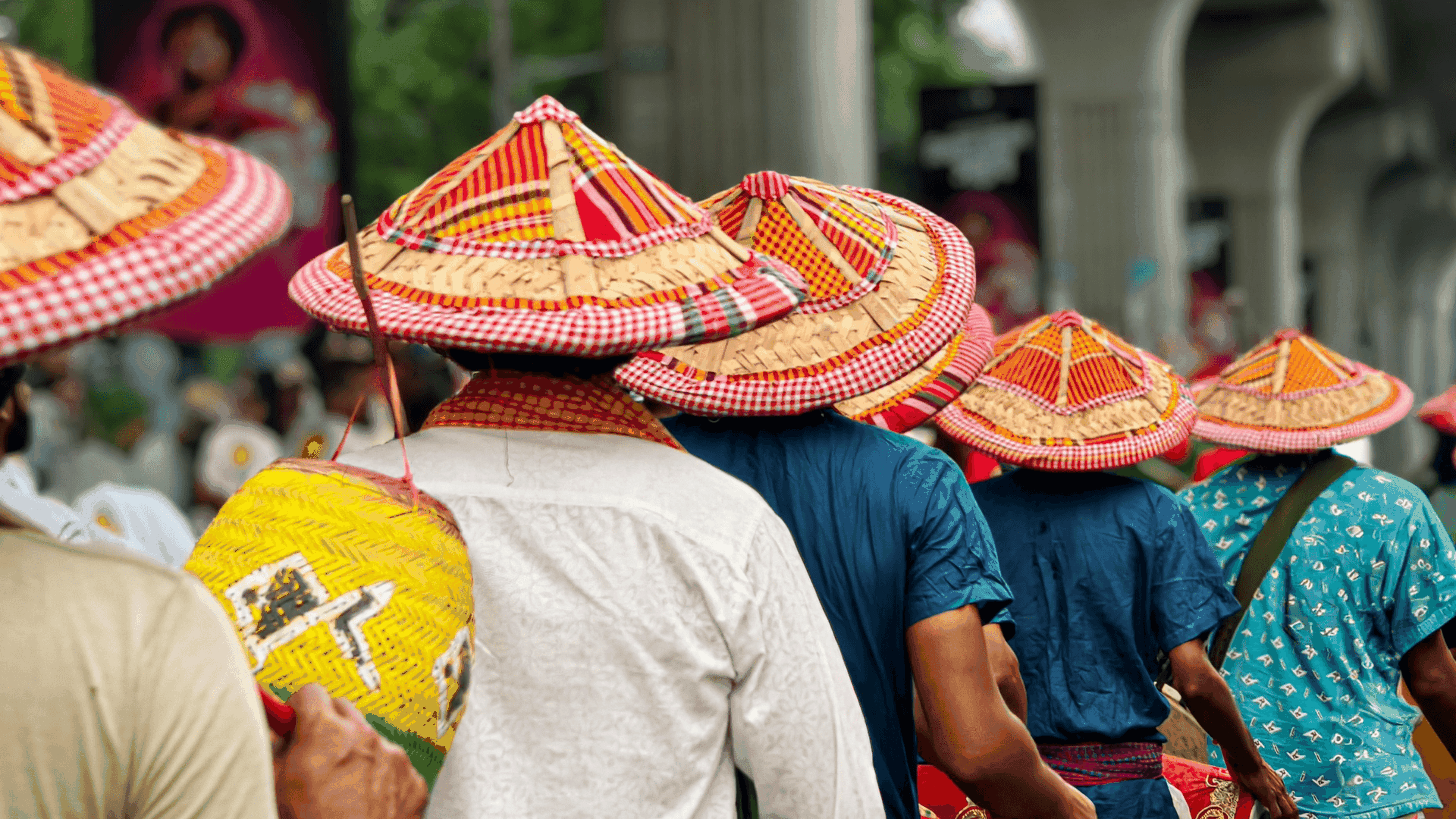

From Dance to Values: Uncovering the Full Iceberg of Culture
Are you familiar with the “Iceberg of Culture”? Developed by anthropologist Edward T. Hall, it shows that culture goes far beyond what we can see, shaped as much by visible expressions as by deeper, often invisible elements. On World Day for Cultural Diversity, we’re exploring both sides of that iceberg. From language and dance to []
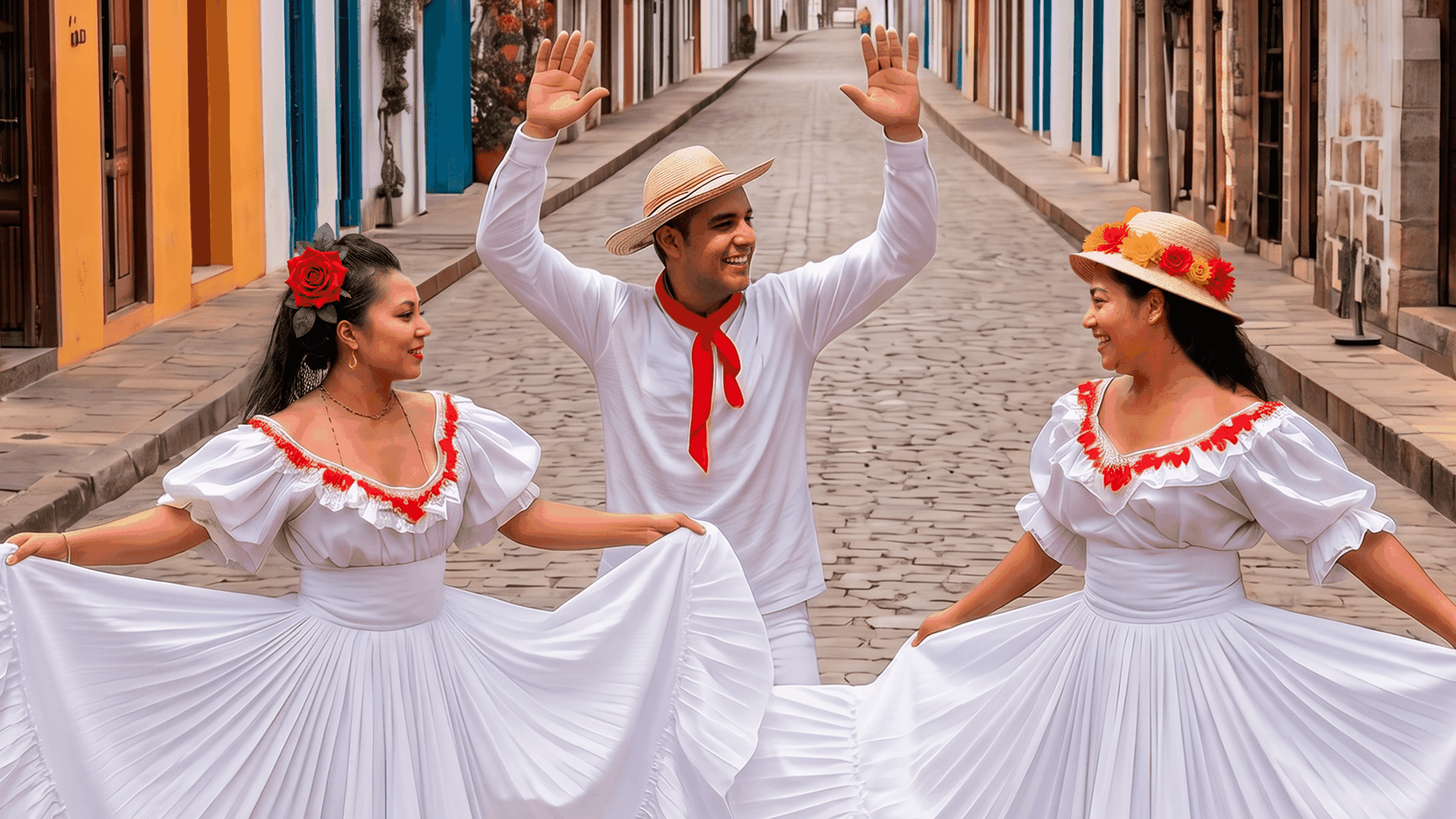

International Dance Day: How Movement Connects Cultures
Dance is a timeless art expressed through movement. It has been used by humanity for millennia to convey meaning and emotions. To this day, dances hold memories and wisdom from ancestral times. They’re a powerful marker of identity that transcends borders and ages, bringing cultures together. That is why many migrants use dance as way []


We Folded One Thousand Cranes for Children
Key Takeaways ▪ Senbazuru is a Japanese tradition of folding 1,000 paper cranes to express hope, healing, or peace.▪ The paper crane symbolizes long life and resilience in Japanese folklore.▪ Sadako Sasaki, a Hiroshima bombing survivor, made the tradition globally known while battling leukemia.▪ Her story turned the paper crane into an international symbol of []