)
)
Best Indian Food: Dishes You Should Try
These past few months, we’ve have been talking all about Indian culture. From Diwali celebrations to the evolution of Indo-Western fashion. And although we’ve touched upon this topic in every blog post, we couldn’t help but to dedicate a whole article to the best Indian food.
Beyond the more well-known curries and samosas, there’s a plethora of Indian dishes befitting of all sorts of diets. And, yes. That includes vegan.
Below, we’ll walk you through some of the different types of Indian food and the FAQs regarding Indian cuisine.
The best Indian food, in terms of popularity
First, let’s start with some of the star Indian dishes. Don’t worry, we’ll cover everything from appetizers to desserts!
Lassi. A yogurt-based drink, often mixed with water, spices, and fruit. One of the most traditional versions is mango lassi. This drink is a good source of probiotics and is low in sugar.
Tandoori chicken. Chicken that is marinated with yogurt and spices and cooked in a rotating clay oven called tandoor. A highly regarded Indian dish.
Naan. Type of leavened, oven-baked flat bread. A great option if you’re trying Indian food for the first time.
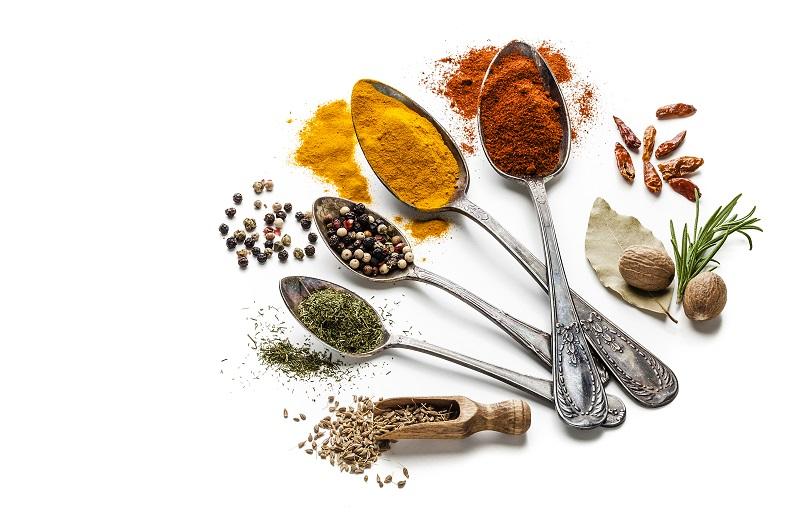
Masala. A type of spice mix made of cumin, coriander, cardamom, cinnamon, cloves, pepper, and nutmeg. The famous dish “Tikka Masala” is made of small chunks of protein marinated with the masala spice mix.
Chutney. A wide range of condiments and sauces that are traditional to the Indian subcontinent. The ingredients can be pickled or fresh and sweet or spicy. Popular ingredients include mint, tomato, yogurt, and peanut.
Samosas. Fried pastry filled with spiced potatoes, peas, beef, lentils, or other savory ingredients. They are often served with chutney.
Bhaji. A type of spicy fritter that can be made with onion, bread, potato, among others.
Briyani. Popular amongst Muslim communities, Briyani is made with rice and a type of protein. Chicken, goat, pork, lamb, beef, prawn, and fish are all possible options. Sometimes, the dish will incorporate eggs or potato, depending on the region.
Rogan Josh. A dish of Kashmiri origin, it’s made with curried meat, usually lamb or goat, and colored with alkanet flower and Kashmiri chilies.
Vindaloo. A Portuguese-inspired meat dish marinated in wine and garlic. The Indian variation is made often made with pork, red wine, and dried chili peppers.
As you can see, some Indian dishes like Biryani come from a mix of different cultures and backgrounds. The diversity within India is palpable even in the food!
What makes Indian food spicy?
Chili peppers make Indian food spicy, but the depth of that heat comes from how the chili pepper interacts with the rest of the commonly used spices. Here’s a list of the most popular spices, often found in curry mixes and other sauces:
Black pepper
Cardamom
Chili pepper
Cinnamon
Coriander
Cumin
Turmeric
Although most of the kick will come from the black pepper and chili flakes, other spices like cardamom can heighten the flavor. Another thing to consider is that, because Indian cuisine is often powder-based, a powdered spice will mix into the dish evenly, ensuring the heat spreads through to each bite.
Is Indian food good for you?
As with everything, Indian cuisine has both nutritional and indulging options. While onion bhajis and mithai are tasty, they’re ultimately fried or packed with sugar. That being said, everyday Indian food, the kind you eat for breakfast, lunch, and dinner are well-balanced meals, filled with nutrients and proteins, whether you eat meat or prefer legumes.
We promised Indian food is good for all sorts of diets, and that’s because over one-third of the Indian population is vegetarian. This means there’s a huge tradition behind meatless dishes.
Vegetarian Indian food
Whether you’re visiting India, ordering from your local Indian restaurant, or looking to try these at home, here are some fan-favorite vegetarian Indian dishes to get you started:
Chana Masala. A spiced chickpea dish made with chana, a smaller type of chickpea with a more intense flavor.
Saag Paneer. A dish made with green vegetables such as collard greens or broccoli, spices, and paneer cheese. The dish is often eaten with rice, naan, or roti.
Rajma. A red kidney bean dish served with white rice that is popular in Northern India.
Mutter paneer. Peas and paneer prepared in a tomato-based sauce and served with rice or Indian bread.
Kaali dal. An Indian black lentil stew.
And there you have it! We hope that this post, aside from mouth-watering has inspired you to try out some new types of Indian food.
Ready to send money with Ria? Download our app for iOS or Android today.
About the author
Madeline I. Carcamo
Related posts

Living in Japan as a Foreigner: How to Read the Room and Feel at Home
Japan always leaves a strong impression on those who visit the country. Its cities are clean and efficient, public transport is known to be reliable, and everyday life often feels remarkably organized. These factors make it easy to understand why so many people choose moving to Japan as a foreigner: to live, work or study
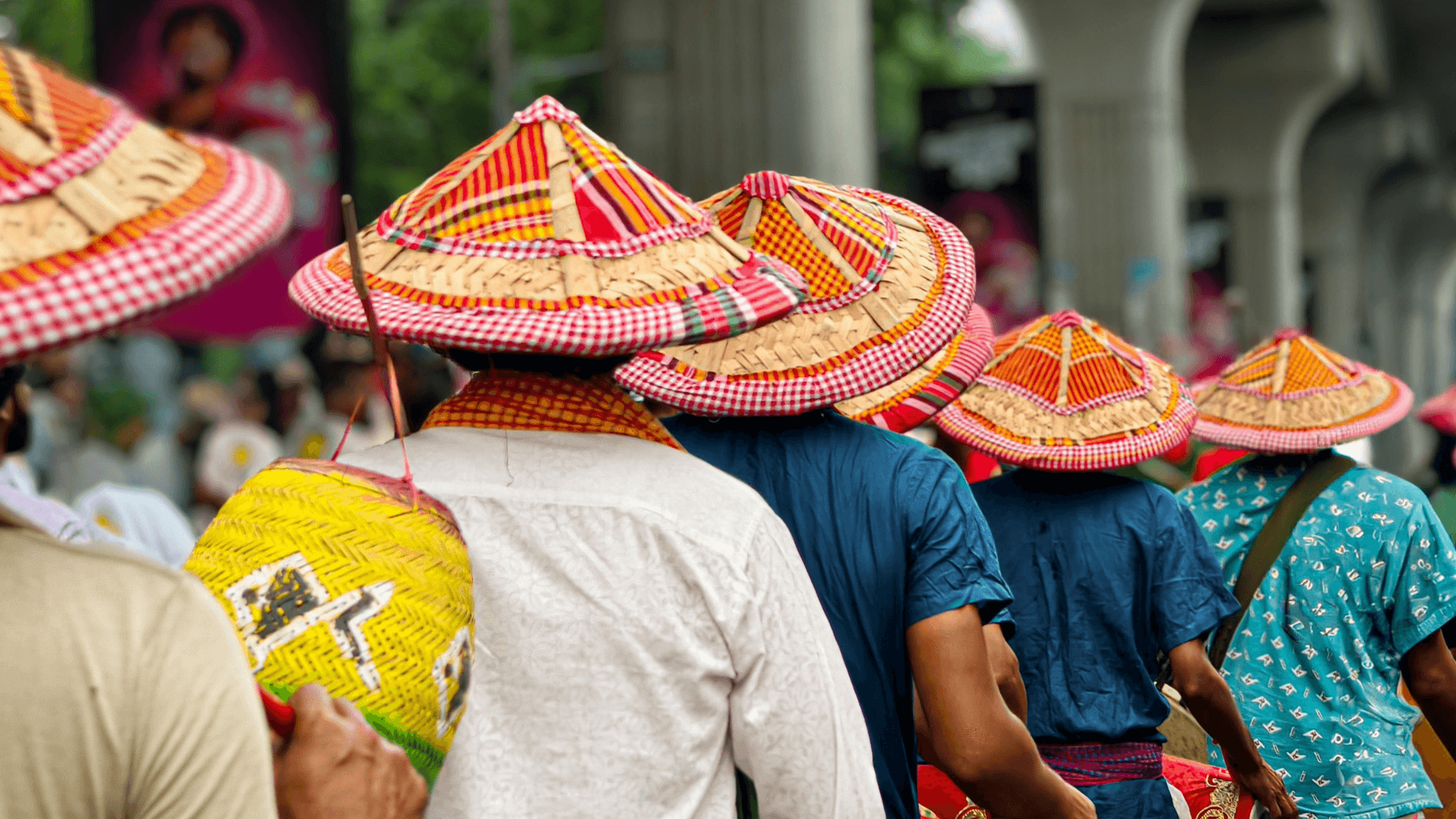
From Dance to Values: Uncovering the Full Iceberg of Culture
Are you familiar with the “Iceberg of Culture”? Developed by anthropologist Edward T. Hall, it shows that culture goes far beyond what we can see, shaped as much by visible expressions as by deeper, often invisible elements. On World Day for Cultural Diversity, we’re exploring both sides of that iceberg. From language and dance to []
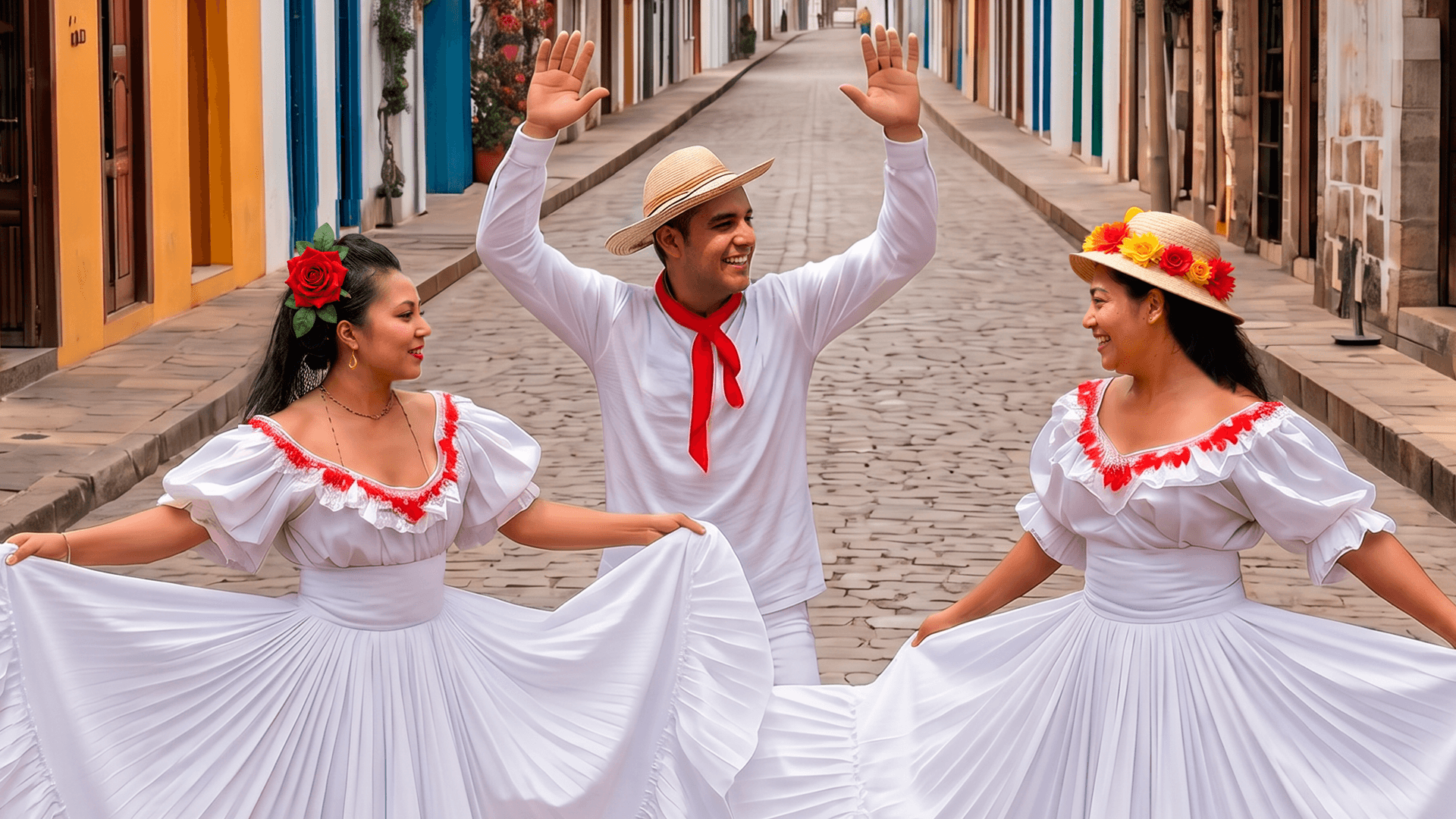
International Dance Day: How Movement Connects Cultures
Dance is a timeless art expressed through movement. It has been used by humanity for millennia to convey meaning and emotions. To this day, dances hold memories and wisdom from ancestral times. They’re a powerful marker of identity that transcends borders and ages, bringing cultures together. That is why many migrants use dance as way []
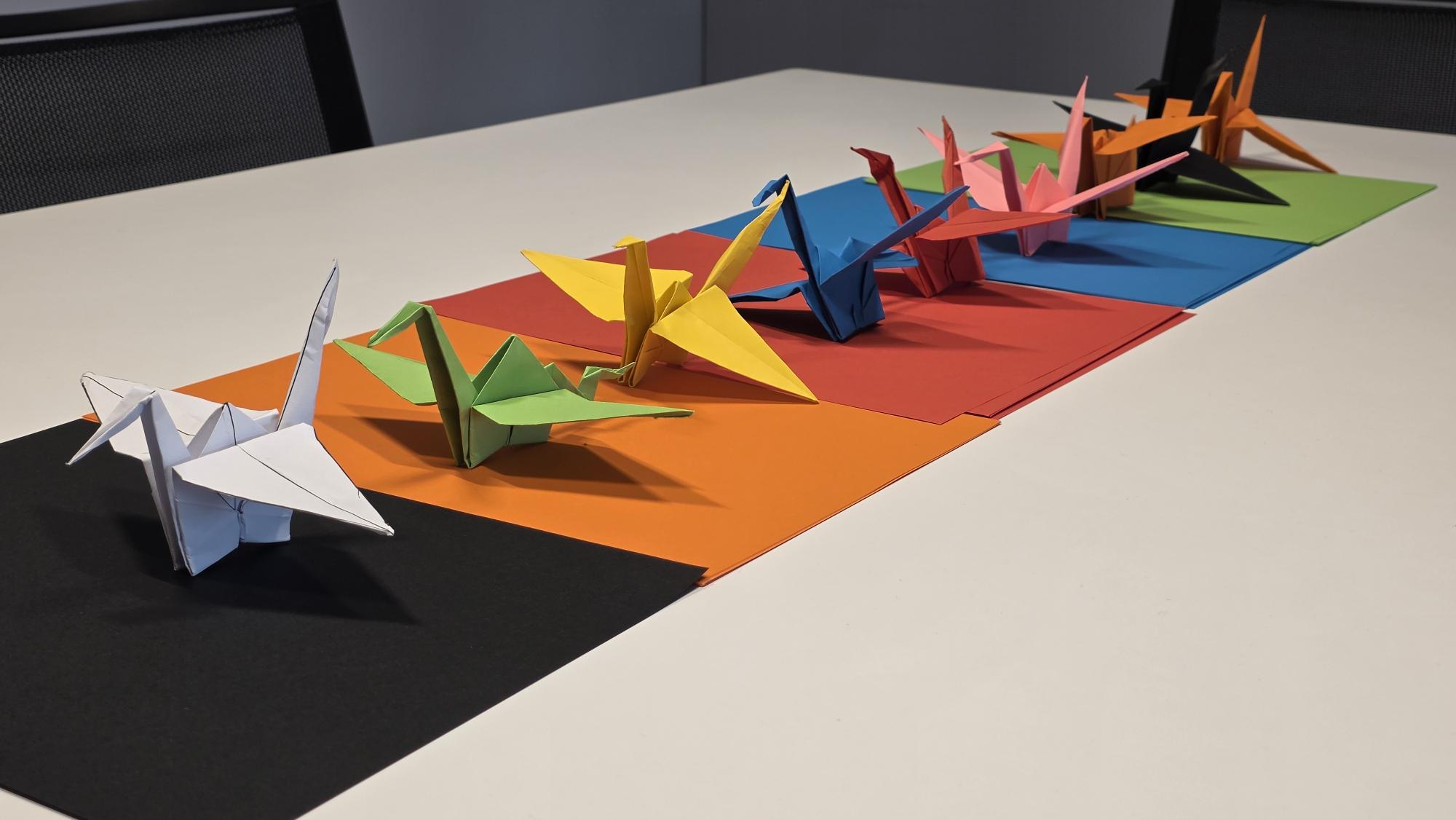
We Folded One Thousand Cranes for Children
Key Takeaways ▪ Senbazuru is a Japanese tradition of folding 1,000 paper cranes to express hope, healing, or peace.▪ The paper crane symbolizes long life and resilience in Japanese folklore.▪ Sadako Sasaki, a Hiroshima bombing survivor, made the tradition globally known while battling leukemia.▪ Her story turned the paper crane into an international symbol of []