)
)
World Day for Cultural Diversity: Education Starts at Work
)
)
As humans, we have been migrating since the dawn of our existence. Our nomad ways are what have led to great innovation and rich cultures.
For this reason, we celebrate World Day for Cultural Diversity for Dialogue and Development, and this year we are proposing to foster and encourage respect and understanding through the workplace.
But first, let’s truly understand what migration boils down to in our global society and why we need to establish ways to support and respect each other.
Immigration in the 21st century
According to the Migration Data Portal, there are 258 million migrants around the world.
Nowadays, we have phenomena such as Frankfurt, Germany, a city where migrants and their progenies outnumber the native population.
By 2044, the United States is expected to become a majority-minority country, further establishing the North American nation as a country of immigrants and a cultural melting pot.
No region in the world is untouched by migration, and our civilization has flourished. Data backs the reality that diversity nourishes everything from education to the economy.
So, how do we protect and enhance what is such a vital asset to our societies?
Education starts at work
Janet Stovall, an inclusion advocate and speechwriter, discusses how businesses can promote inclusion in her Ted Talk “How to get serious about diversity and inclusion in the workplace.”
Stovall shared, “imagine a place where people of all colors and all races are on and climbing every rung of the corporate ladder; where those people feel safe – indeed, expected – to bring their unassimilated, authentic selves to work every day, because the difference that they bring is both recognized and respected. And imagine a place where the lessons we learn about diversity at work actually transform the things we do, think and say outside of work.”
At Ria, we get to test and perfect this concept daily with a workforce made up of over 50 nationalities speaking more than 40 languages.
For our business, it is imperative that our employees can bring their full selves to work, as Stovall mentions. Our differences are what nurture every decision we make, what enhances our service and what allows us to foster our bond with our customers.
While working here, we learn about other cultures and their celebrations. We try different foods, learn new languages and are able to find the many similarities we all share.
We forge a genuine connection and understanding that translates to our lives outside of work, and even the business is better for it.
How you can boost inclusion and diversity in the workplace
The secret sauce is encouraging people to share their culture, experiences, personality and ideas while also promoting inclusion and mutual respect.
In this way, companies can cultivate an atmosphere where creativity can flow freely and where each worker gets to bring what he or she excels at to the table.
We have a great opportunity to foster diversity and inclusion at the workplace and beyond, so why not take it?
Ready to send money? We’re here for you. Transfer money safely, easily and almost instantly with our Ria Money Transfer app, available for iOS and Android – download it today to get started.
About the author

Gabrielle van Welie
Gabrielle van Welie is Ria's Global Content Manager. Originally from Dominican Republic, she specializes in the cultural impact of remittances and migration across the globe.
Related posts

Living in Japan as a Foreigner: How to Read the Room and Feel at Home
Japan always leaves a strong impression on those who visit the country. Its cities are clean and efficient, public transport is known to be reliable, and everyday life often feels remarkably organized. These factors make it easy to understand why so many people choose moving to Japan as a foreigner: to live, work or study
From Dance to Values: Uncovering the Full Iceberg of Culture
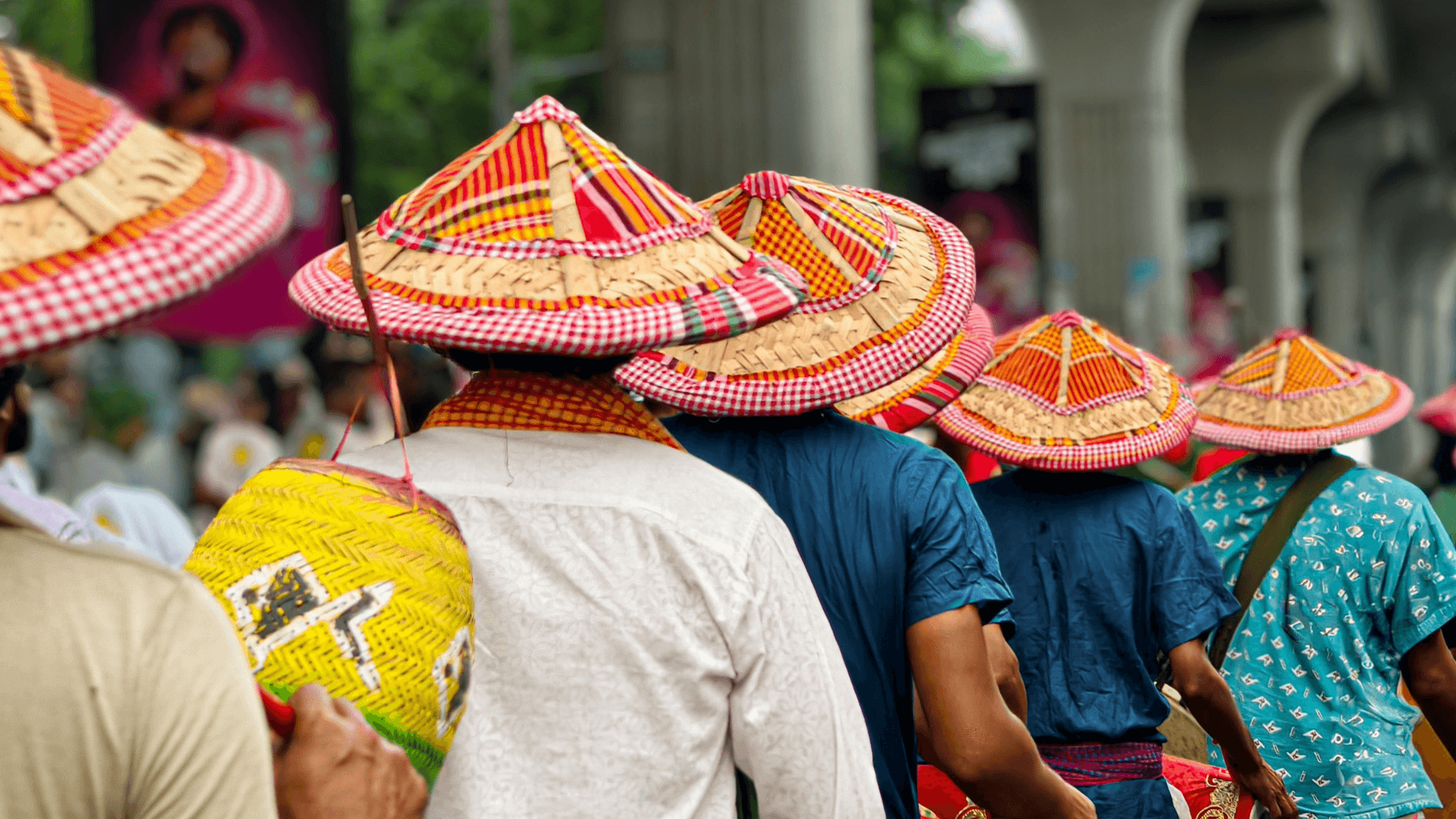
Are you familiar with the “Iceberg of Culture”? Developed by anthropologist Edward T. Hall, it shows that culture goes far beyond what we can see, shaped as much by visible expressions as by deeper, often invisible elements. On World Day for Cultural Diversity, we’re exploring both sides of that iceberg. From language and dance to []
International Dance Day: How Movement Connects Cultures
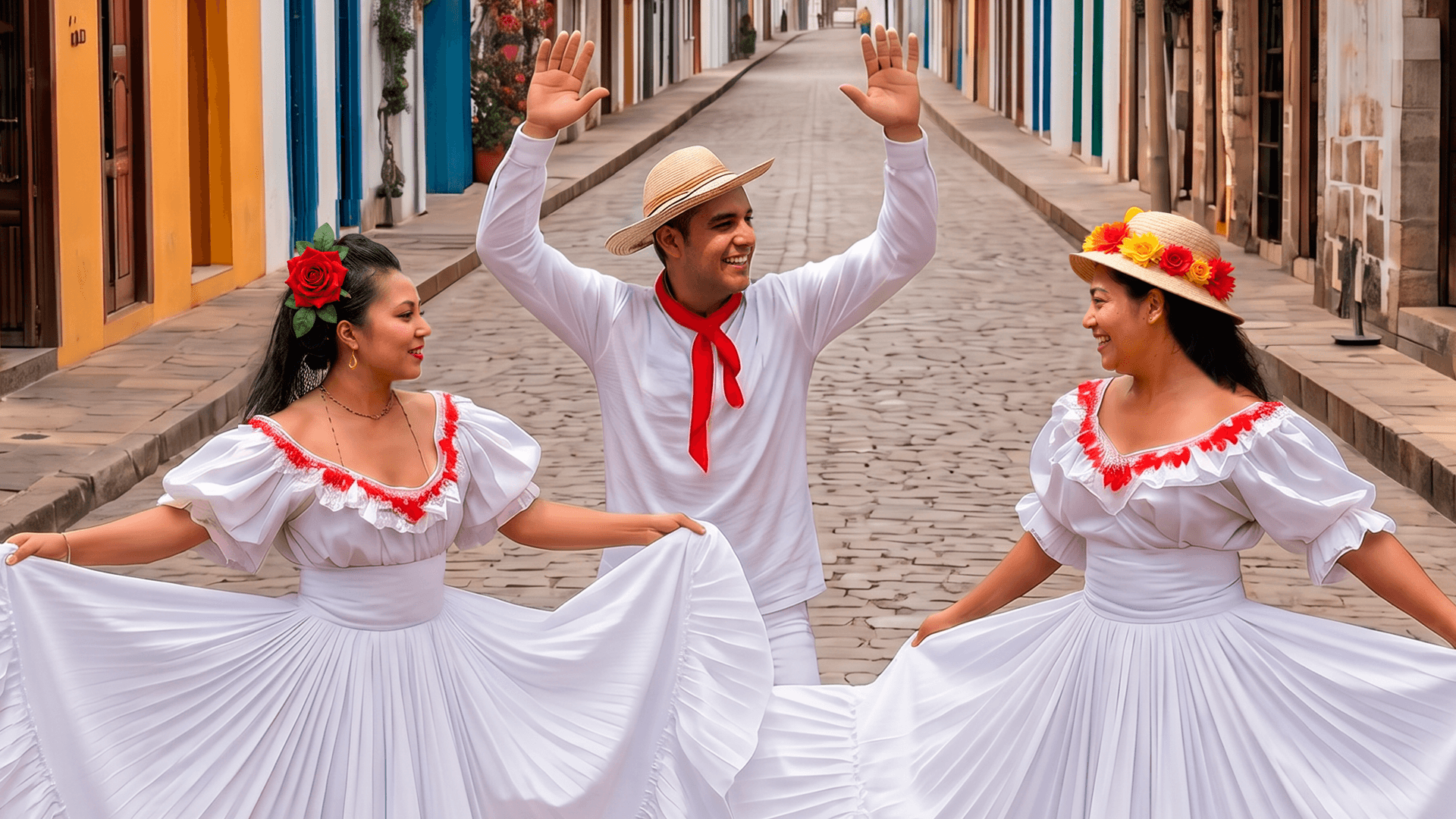
Dance is a timeless art expressed through movement. It has been used by humanity for millennia to convey meaning and emotions. To this day, dances hold memories and wisdom from ancestral times. They’re a powerful marker of identity that transcends borders and ages, bringing cultures together. That is why many migrants use dance as way []
We Folded One Thousand Cranes for Children
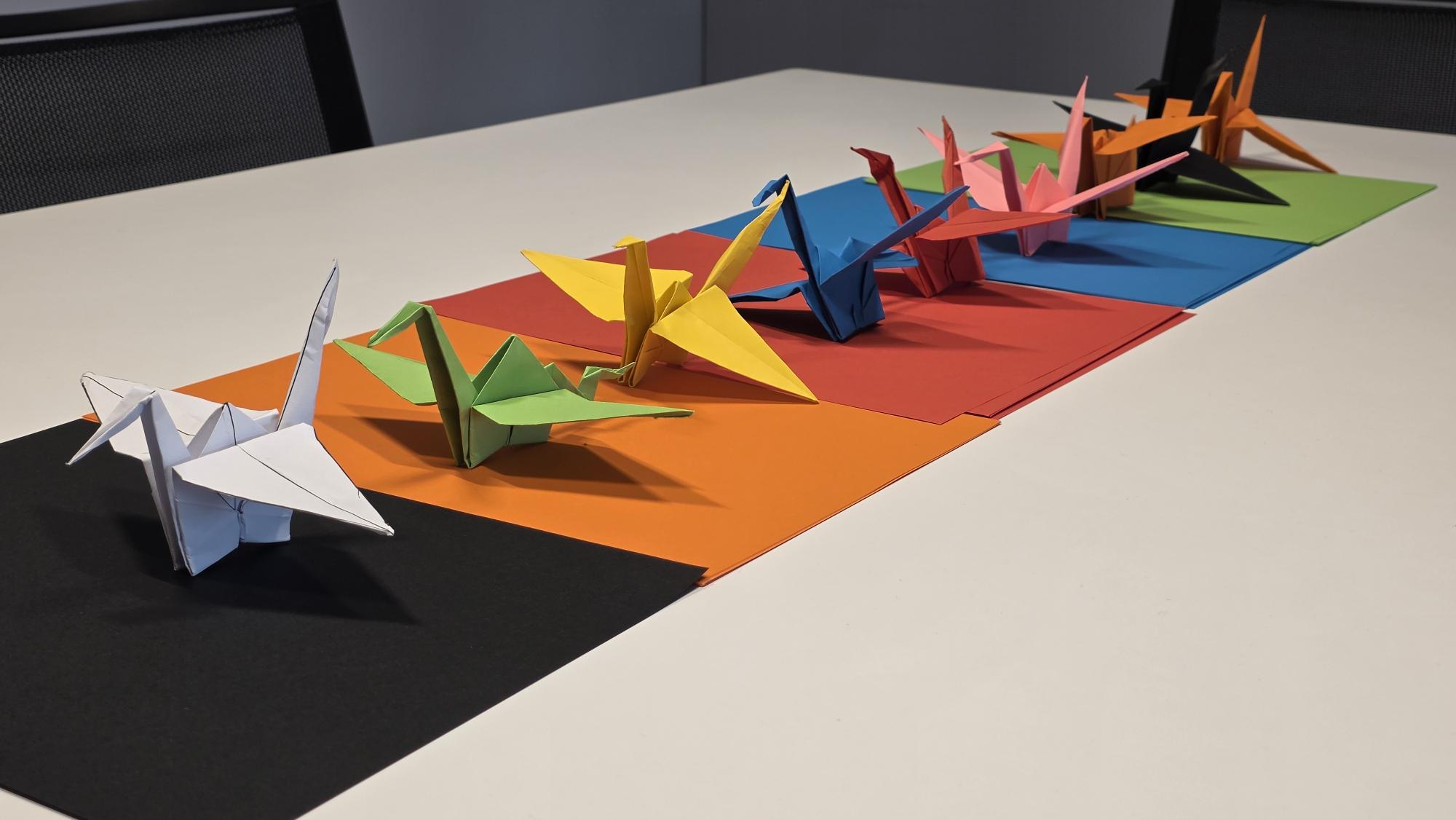
Key Takeaways ▪ Senbazuru is a Japanese tradition of folding 1,000 paper cranes to express hope, healing, or peace.▪ The paper crane symbolizes long life and resilience in Japanese folklore.▪ Sadako Sasaki, a Hiroshima bombing survivor, made the tradition globally known while battling leukemia.▪ Her story turned the paper crane into an international symbol of []