)
)
CSR in Action: Education and Resilience in Mayotte
)
)
Mayotte is a French overseas territory nestled between Mozambique and Madagascar in the Indian Ocean’s crystal-blue water. But behind its post-card worthy beaches and nature, lies a sad reality: the territory is France’s poorest region. In fact, over 70% of Mayotte’s population lives below the poverty line.
Almost half of the archipelago’s population lives in small shacks that do not meet safety regulations and are often not connected to running water of electricity. Improving infrastructure is one of France’s first priorities in Mayotte. However, their mission has been hindered due to extreme weather events.
Cyclone Chido: A Community in Crisis
The region where Mayotte is located is prone to deadly cyclones. In December 2024, Cyclone Chido, a category 4 tropical cyclone, hit the French territory. With wind speeds reaching 250km/h, it was the most powerful storm to strike Mayotte in almost a century.
But much of the archipelago’s infrastructure wasn’t built to withstand the cyclone’s force. The weather system caused unimaginable destruction, razing entire shanty towns and leaving countless Mayotte residents without housing and access to basic services. Educational infrastructure also suffered considerable damages, deeply impacting, children’s right to education.
Such was the case of Les Colibris School, a community-led education center that was not eligible to receive public funding for its reconstruction. As a result, the community was forced to find a way to raise enough aid so more than 40 students could regain access to education.
The Power of CSR Initiatives and their Support
The school president, Nadjim Houdjatte, immediately got to work. He began reaching out to private organizations for financial support to help rebuild the school and restore a safe learning environment.
As it turns out, Nadjim is also a long-time Ria agent. For over 10 years, he’s been partnering with us to offer fast, secure, and accessible money transfer services to Mayotte’s inhabitants. Naturally, he turned to Ria in hopes of finally getting the help that the school so desperately needed.
When word reached Quentin Cornejo, Ria Country Manager in France, he immediately understood how important it was for us to get involved. Without hesitation, Ria responded to Nadjim’s request.
Thanks to this contribution and the support of other local stakeholders and volunteers, the necessary repairs were completed just in time for back-to-school season. Les Colibris students were able to start the school year in a welcoming space, ready to learn alongside their peers.
But Ria did not simply send a check. A team visited the facilities to make sure that all needs and expectations were being met, taking the opportunity to meet with the students, parents, and school staff. These moments of genuine interaction helped our team form true connections with the communities that rely on Ria.
Why Education Is More Than a Project
We are proud that our efforts contributed to promoting access to education, allowing us to give back to the Mayotte community that has always embraced Ria’s widespread presence across the archipelago. This initiative reflects our hands-on approach to CSR projects and partnerships, as well as the genuine care we bring to causes that are dearest to our hearts.
Education is one of these causes, because we know that it has the power to make a social impact far beyond the classroom. It fosters stability, reduces inequality, and opens doors to financial security. In fact, studies show that it has helped many households break the cycle of poverty.
In a place like Mayotte, where the poverty rate exceeds 80%, education can be a powerful tool to break this cycle and help families build better futures. That’s why we believe that supporting schools is an investment in long-term change. As Nelson Mandela once said: “Education is the most powerful weapon which you can use to change the world.”
The reconstruction of Les Colibris School brings a legacy of hope for Mayotte’s current students and future generations. And it’s a testament to what can be achieved when private resources are used to give back to the communities we serve.
Learn more about our CSR initiatives and how we’re helping promote access to education around the world.
FAQ
Why doesn’t Les Colibris School receive public aid?
Les Colibris School is a private educational institution led by the community, which means it is not eligible for public resources from the national education system and must rely on private aid.
How did Cyclone Chido affect the school and its students?
Cyclone Chido destroyed the school, leaving children without access to education. The disaster also led to a significant drop in enrollment and forced many families to leave Mayotte.
Who helped rebuild Les Colibris School?
The recovery was made possible by private aid, including financial contributions from Ria Money Transfer and the collective efforts of parents and community members.
What role did Ria Money Transfer play in the initiative?
Ria Money Transfer provided crucial financial support for the school’s reconstruction and helped ensure the continuation of its students’ education after the cyclone.
Why is education considered so important?
Education is seen as a vital tool for community development and resilience, with studies showing that it fosters stability, reduces inequality, and opens doors to financial security.
About the author
Myriam Fernández German
Myriam Fernández German is a content writer with a multicultural background who explores the social and financial impact of remittances in today's global society.
Related posts
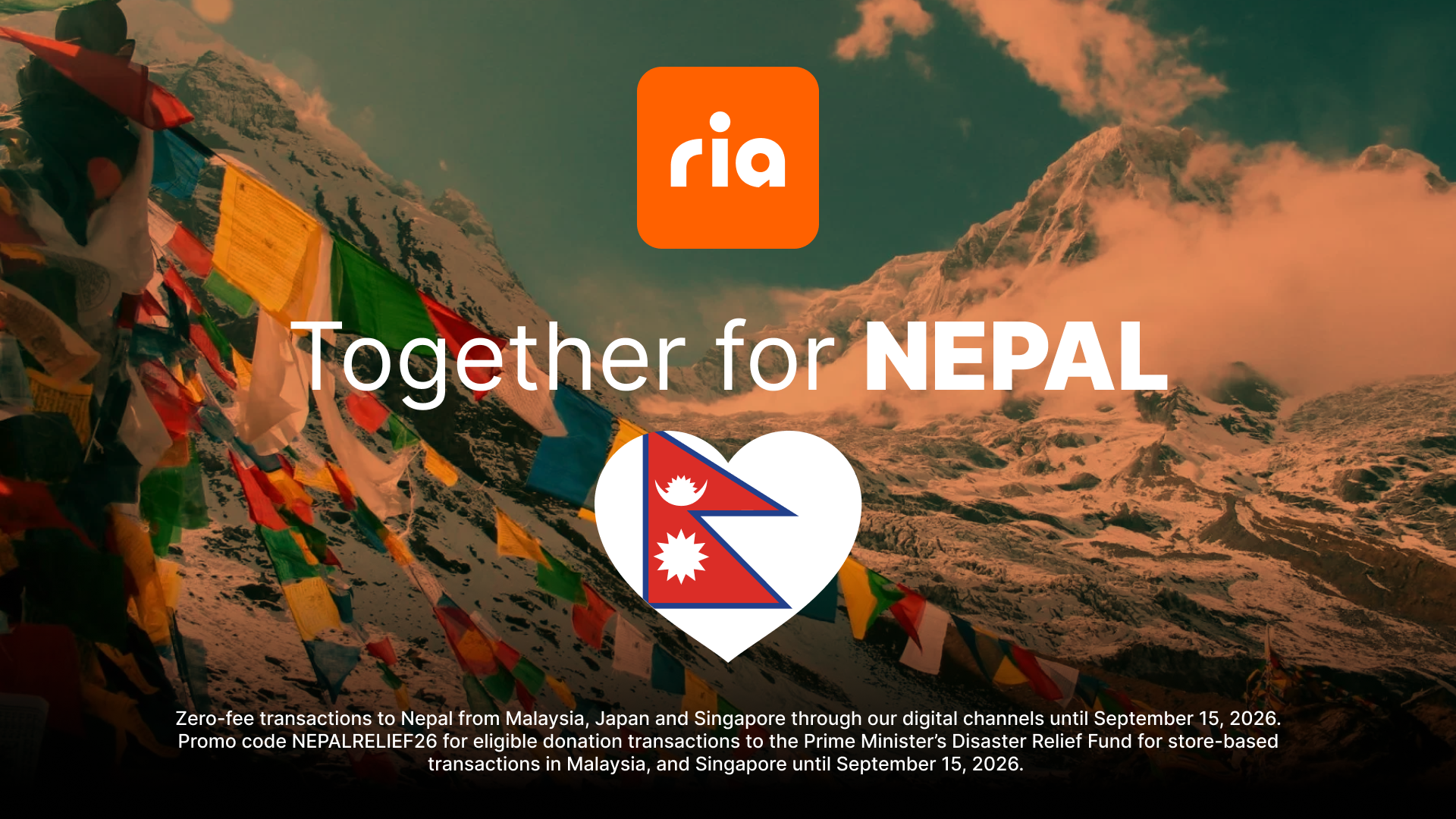
Nepal Floods: What Ria is Doing to Help
Following the devastating Nepal floods, Ria has launched a campaign to help families stay connected and provide support when it matters most.
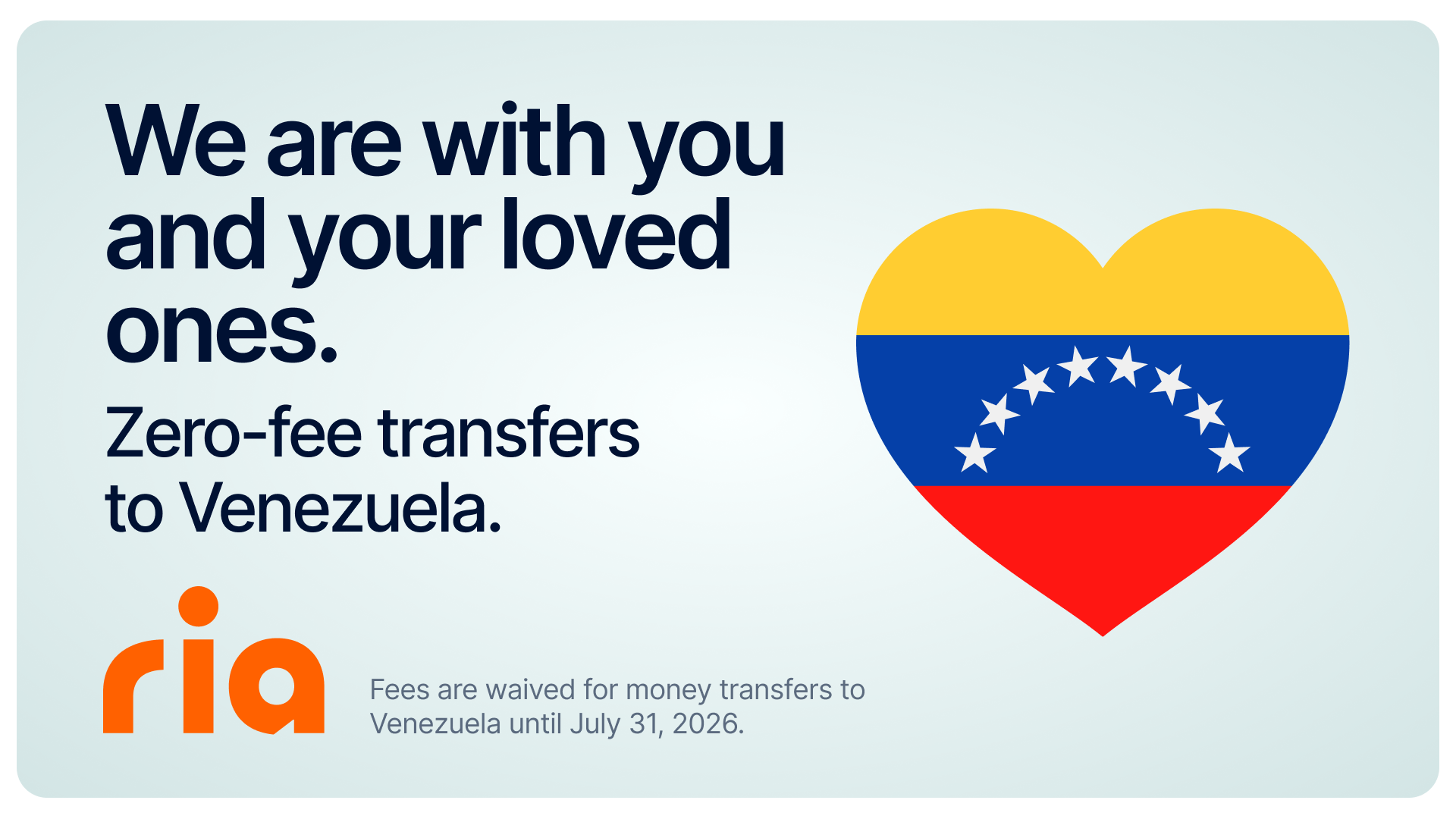
Venezuela Earthquakes: What Ria is Doing to Help
On the evening of June 24th, 2026, two magnitude 7 earthquakes shook Venezuela's coast near the capital Caracas. The tremors were the most powerful to hit the country in over a century. The extent of the fallout is still being assessed, with internal and international rescue efforts well underway. However, the damage is expected to []
The Currency of Caring: The Human Side of Remittances
Every year on June 16th, the world observes International Day of Family Remittances. On that date, we recognize the millions of migrants who send money back home to support their loved ones, helping build a better future for countless households across the globe. Although there is a lot of data about the financial impact and []
Sadio Mané and Ria: Empowering the Global Diaspora
Sadio Mané is considered one of the best and most recognizable African footballers of all time. But the Senegalese striker is more than just a global football icon: throughout his career, he’s reinvested his earnings back into his community, bridging the gap between football, migration and financial empowerment. That’s why at Ria we are extremely []