)
)
The Impact of Good Teachers in Early Education in Mexico
)
)
Not all heroes wear capes, but a lot of them sure look like teachers. Though many might think of teaching as child’s play, it’s one of the most complex and influential roles in our society. Especially in early childhood, teachers accommodate many of their students’ needs as they learn to navigate the world.
At Ria, our mission is to open ways for a better everyday life, and we believe the best way to achieve that is by promoting access to quality early childhood education where it’s needed most. Since 2022, we’ve been working closely with our partner Save the Children to provide community educators with the right tools and training to support the development of young children in Mexico City.
An overview: the state of early childhood education in Mexico
The current state of public education in Mexico is very challenging. Due to public schools in Mexico being overcrowded, only one in 20 children under the age of three is enrolled in an early education program. This means many working parents in low-income communities are forced to leave their children home alone or under the supervision of neighbors. In areas with high rates of violence, the risk this poses for children is even greater.
In response to this need, a network of women began creating education centers within their communities. Many of these spaces, known today as Early Childhood Development Centers (ECDCs), have now been open for 16 to 35 years with enrollment ranging from 15 to 150 students, improving access to education.
Though these centers charge as little as possible and adapt themselves to the needs of each community, Covid left a huge dent in their operation with countless parents losing their jobs or their lives altogether.
However, thanks to the relentless efforts of educators and coordinators, many centers remain open, offering a safe haven to children.
Why education is so important: the of role of ECDCs in Mexico
Ria and Save the Children work directly with 132 centers in Mexico City. Often located in red zones, which are low-income areas with high rates of violence, these spaces provide children ages 10 months to six years with a safe environment to learn, play, and express themselves.
Beyond the challenging makeup of these communities, over 70% of teachers work with children with a learning or developmental disability. Though most teachers have a certification or degree, we can’t forget that these educators have also worked hard to rise above their own circumstances. This means that, as many teachers in Mexico, they would’ve lacked access to additional specialized training. That’s where Ria and Save the Children come in, providing nearly 600 teachers with the necessary educational materials and training to promote their comprehensive development.
Uplifting educators and improving education in Mexico
In 2024, Save the Children conducted a survey with participating schools to understand how they were facing common issues. Save found that 62% of centers had had a decrease in enrolment, which directly impacts the centers’ income and resources. Around 52% reported a lack of tools to provide emotional support to girls and boys who need it, and 53% noted an academic gap between students.
Based on this information, Ria and Save the Children got to work to prepare tailor-made solutions for some of the teachers’ main challenges. The goal was to provide them with tools that both met the highest standards and were properly calibrated to match the specific needs of children and educators at these centers.
Among participating teachers, the most popular training courses they’ve signed up for are on learning strategies (84%), socio-emotional health (71%), early childhood care (56%) and promoting reading and writing (54%).
During our recent visit to some of the centers, we got to experience first-hand the amazing ways in which these teachers are putting the materials and training to work. Despite the reality beyond the school walls, children engaged us in breathing exercises, helped us express our emotions, and proudly presented the creative projects they had been working on to learn about history, science, and more.
Yet, what left the biggest impression was the bond between the children and their teachers.
Meet teachers Hugo and Viridiana, heroes who wear aprons
What makes a good teacher? And what is the role of a teacher in early education? According to educators Hugo and Viridiana, it takes dedication, commitment, and passion. As Hugo stated, “If you want to pursue this career because that’s what there is, don’t, because instead of giving children the tools they need, you’ll damage them.”
“People think that teaching is easy because it’s just playing with the children, but I don’t agree. Teaching is a lot harder than it looks because you don’t just have one life in your hands, you have many,” echoed Viridiana.
For Hugo, following in his mom’s footsteps to become an educator didn’t always feel like a natural step. “In Mexico, there are still many stereotypes and stigmas when it comes to gender roles. For a long time, I didn’t feel comfortable being a man and a teacher. I couldn’t see myself dancing and playing with the children, but then I realized that I wasn’t doing anything wrong.” Over time, Hugo was able to use his personal experience as a tool to help his students thrive. “I try to erase labels for them so that they can be exactly who they are.”
Viridiana is a P.E. and arts teacher at several schools, and while she loves what she does, she has struggled at times with vulnerability and self-care. “I leave all my personal problems behind when I walk through [the school] doors. When I’m here, I’m here for [the kids],” she explained. “But I realized that I was forgetting to take care of myself.” Through a Save the Children-sponsored course, Viridiana learned that the better she looks after herself the more she can show up for the children.
Teachers in context: the cost of providing a safe haven
Beyond teaching, educators at these centers face many challenges. From a lack of access to basic resources like drinking water to unending bureaucratic processes, these Mexican teachers still put on a brave face every day to make sure the children’s environment remains stable and positive.
In order to protect the innocence of the kids who depend on them, teachers work under considerable physical, emotional, and psychological strains, often causing long-term damage.
Despite it all, thanks to their grit and dedication, more than 6,000 children can play, laugh, and dream, even in the most vulnerable neighborhoods in Mexico City. Their impact on education is undeniable.
If there was one clear takeaway from our visits, it’s this: teachers are slowly but surely rewriting the future of their communities, one child at a time.
We encourage you to learn more about our projects with Save the Children, their work in the field, and the role remittances play in fostering education.
About the author

Gabrielle van Welie
Gabrielle van Welie is Ria's Global Content Manager. Originally from Dominican Republic, she specializes in the cultural impact of remittances and migration across the globe.
Related posts
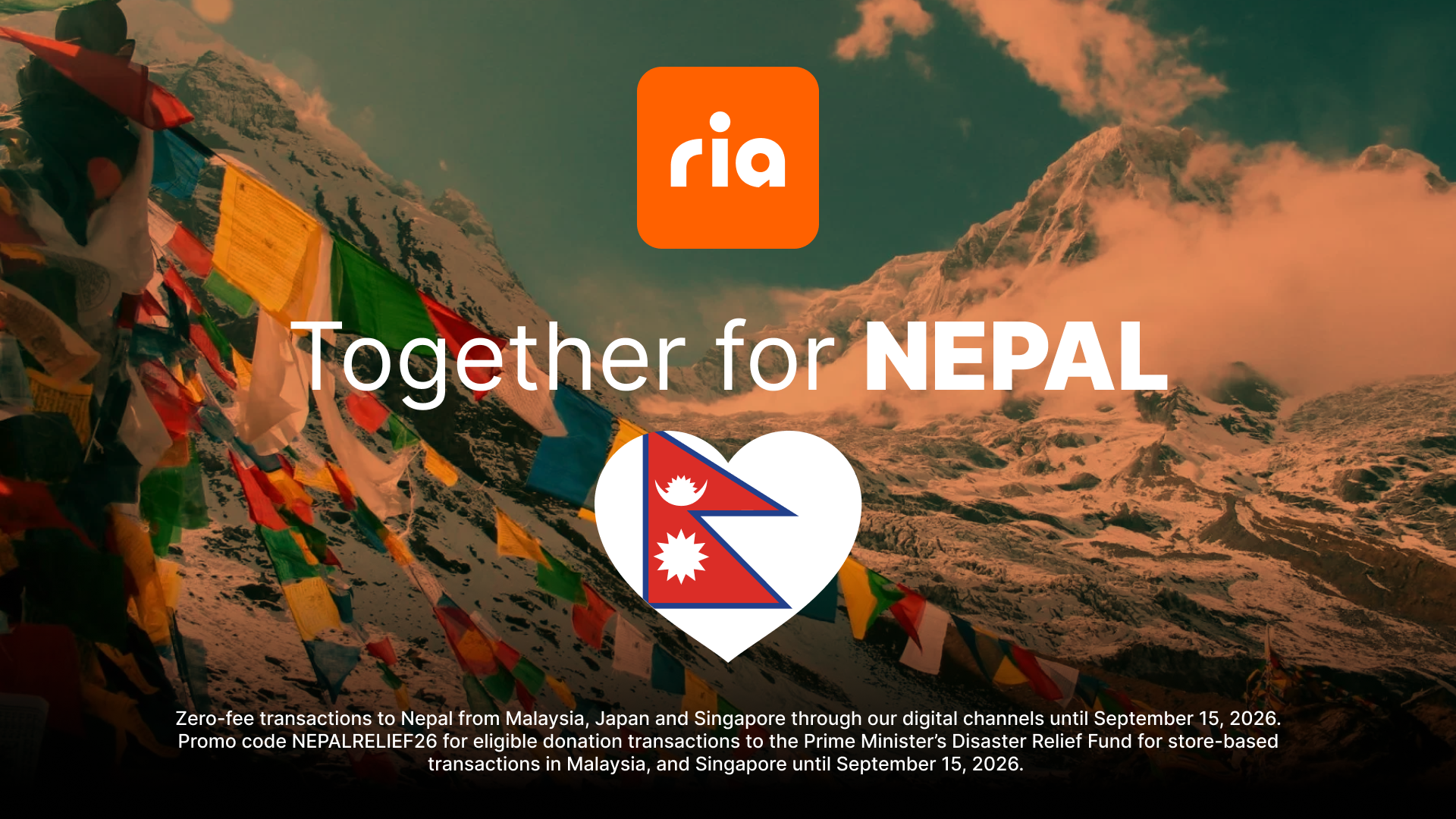
Nepal Floods: What Ria is Doing to Help
Following the devastating Nepal floods, Ria has launched a campaign to help families stay connected and provide support when it matters most.
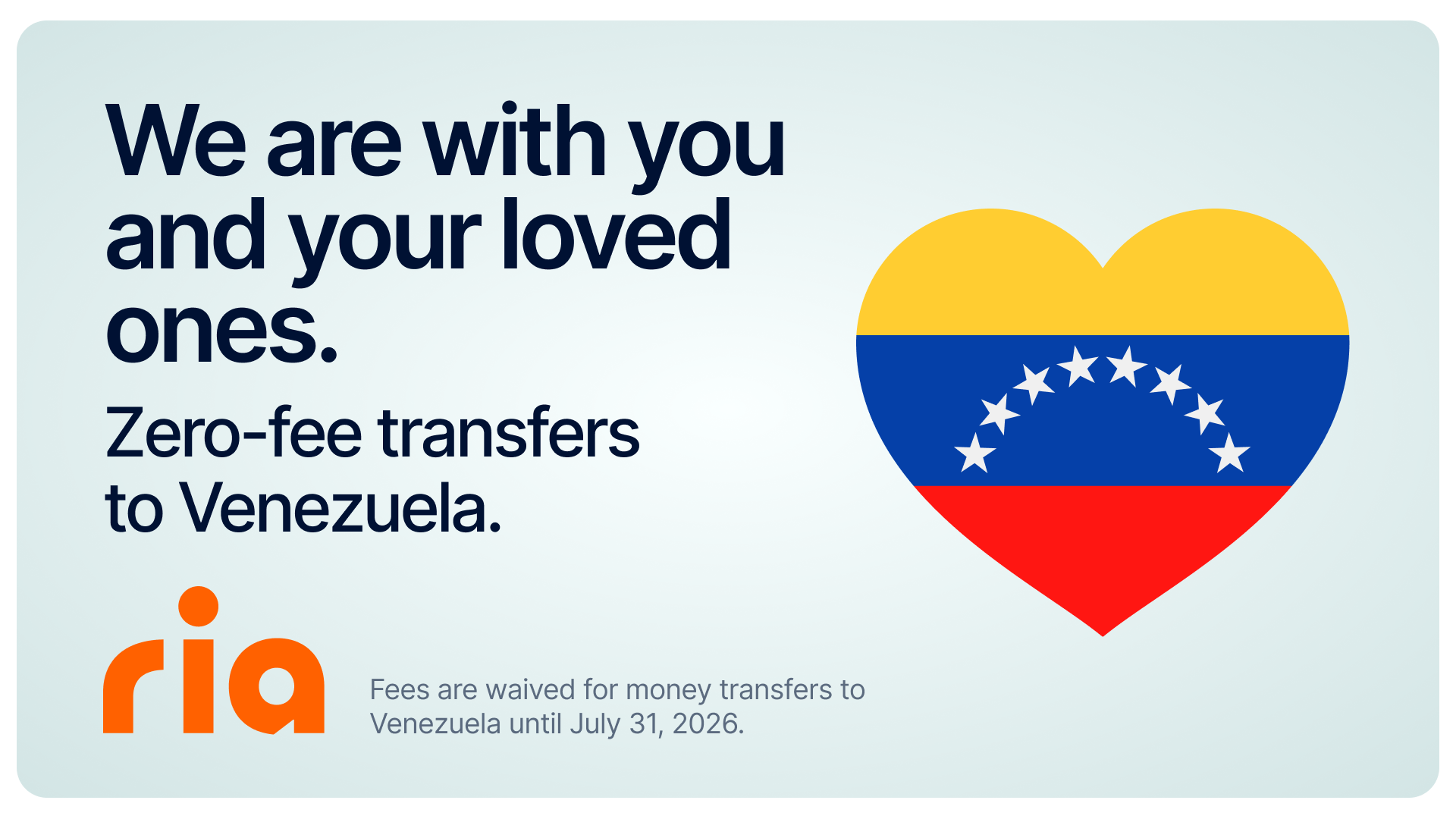
Venezuela Earthquakes: What Ria is Doing to Help
On the evening of June 24th, 2026, two magnitude 7 earthquakes shook Venezuela's coast near the capital Caracas. The tremors were the most powerful to hit the country in over a century. The extent of the fallout is still being assessed, with internal and international rescue efforts well underway. However, the damage is expected to []
The Currency of Caring: The Human Side of Remittances
Every year on June 16th, the world observes International Day of Family Remittances. On that date, we recognize the millions of migrants who send money back home to support their loved ones, helping build a better future for countless households across the globe. Although there is a lot of data about the financial impact and []
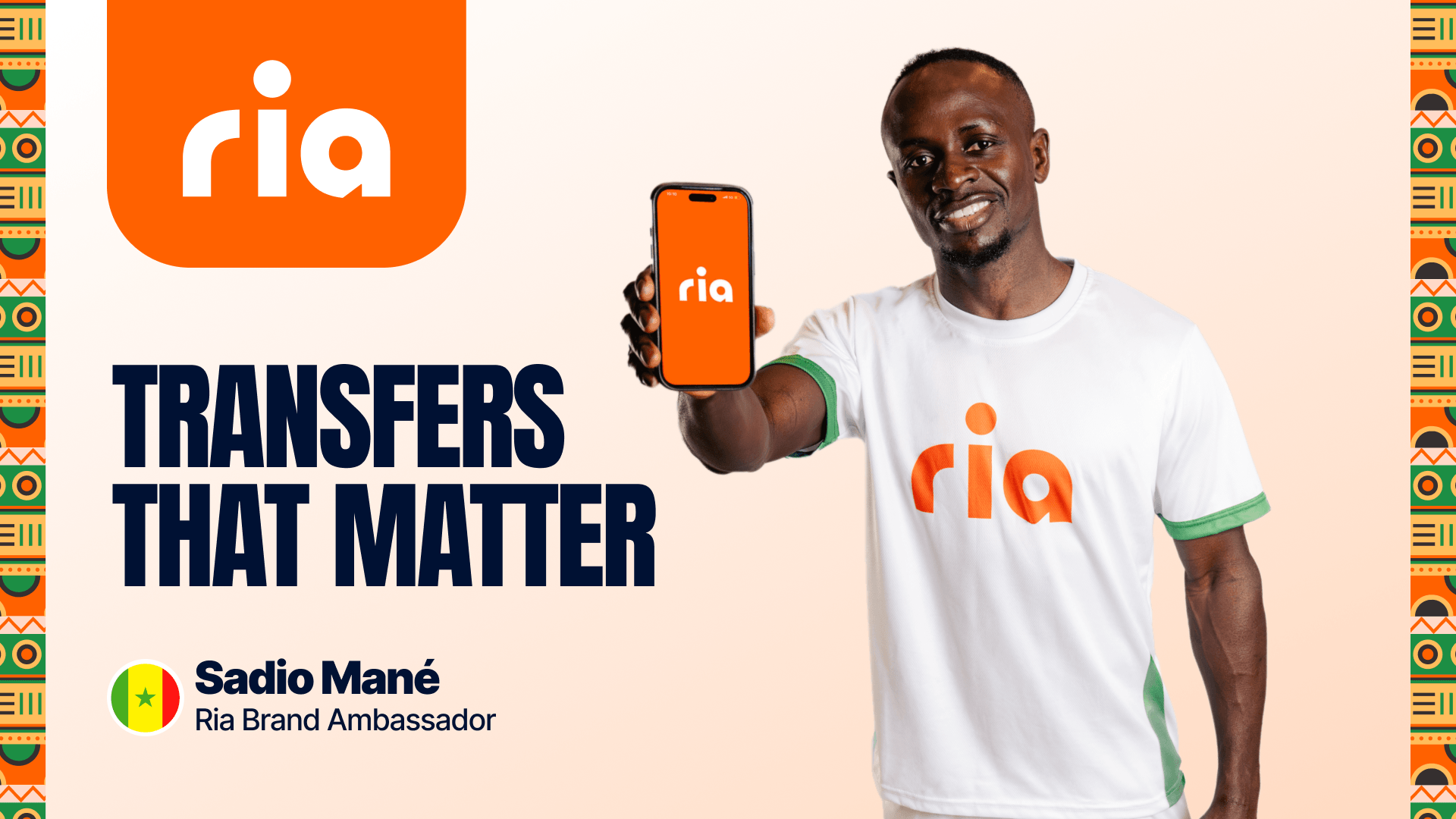
Sadio Mané and Ria: Empowering the Global Diaspora
Sadio Mané is considered one of the best and most recognizable African footballers of all time. But the Senegalese striker is more than just a global football icon: throughout his career, he’s reinvested his earnings back into his community, bridging the gap between football, migration and financial empowerment. That’s why at Ria we are extremely []