)
)
What Migrants Miss Most About Home
)
)
For many people living far from their home country, constant adjustments are part of everyday life: new cities, languages, and routines. But one thing does not change: their connection to where they come from.
Leaving does not mean forgetting. Home does not disappear, it transforms. It remains present in memories, in traditions, and in the small details of daily life.
At Ria Money Transfer, we see this every day. Behind every transfer, there is a story. A family, a tradition, a way of staying connected despite the distance.
We looked to better understand what migrants miss most about their home country and how they manage to maintain that connection, even while living far away.
Cultural diversity in the United States
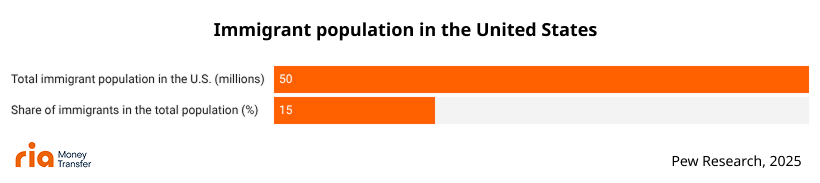
The United States is the main destination for migrants worldwide. More than 51 million people (approximately 15% of the US population) live there and away from their country of origin.
This goes beyond a number. It reflects real diversity. Millions of people bring their customs, their perspectives, and their cultures with them.
This diversity is visible in everyday life, in neighborhoods, in businesses, and in celebrations. It’s common to see streets where different cultures coexist, where flavors blend, and where traditions adapt without disappearing.
In this context, maintaining a connection to one’s home country becomes important. Not just out of nostalgia, but because it is part of one’s identity.
What migrants miss most about home: Three cultural anchors
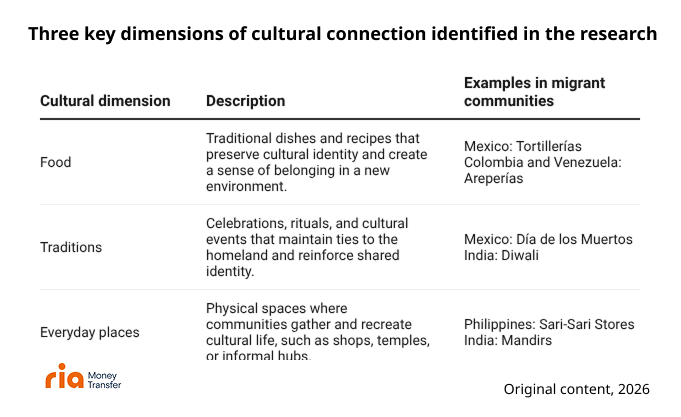
Every migration experience is different. However, we see recognizable patterns. Three clear ways emerge in which many people maintain their connection to home: food, traditions, and spaces where life feels familiar again .
These three elements share something in common. They are part of daily life and are closely tied to their memories from home and a sense of belonging.
They are not grand gestures. They are simple things, but they carry deep meaning. And that is precisely why they are the ones people miss the most.
Food: The taste of home
For many people, food is the strongest connection to their country of origin. Flavors, aromas, and recipes are directly tied to meaningful moments: family meals, celebrations, and everyday routines that once shaped daily life.
When someone lives abroad, recreating those flavors becomes a way to feel closer to home. Cooking a traditional dish or finding a place that prepares it the same way can carry deep emotional value.
That is why, in many cities across the United States, food businesses created by migrant communities have emerged. These are spaces where people can find products, recipes, and dishes that are part of their culture.
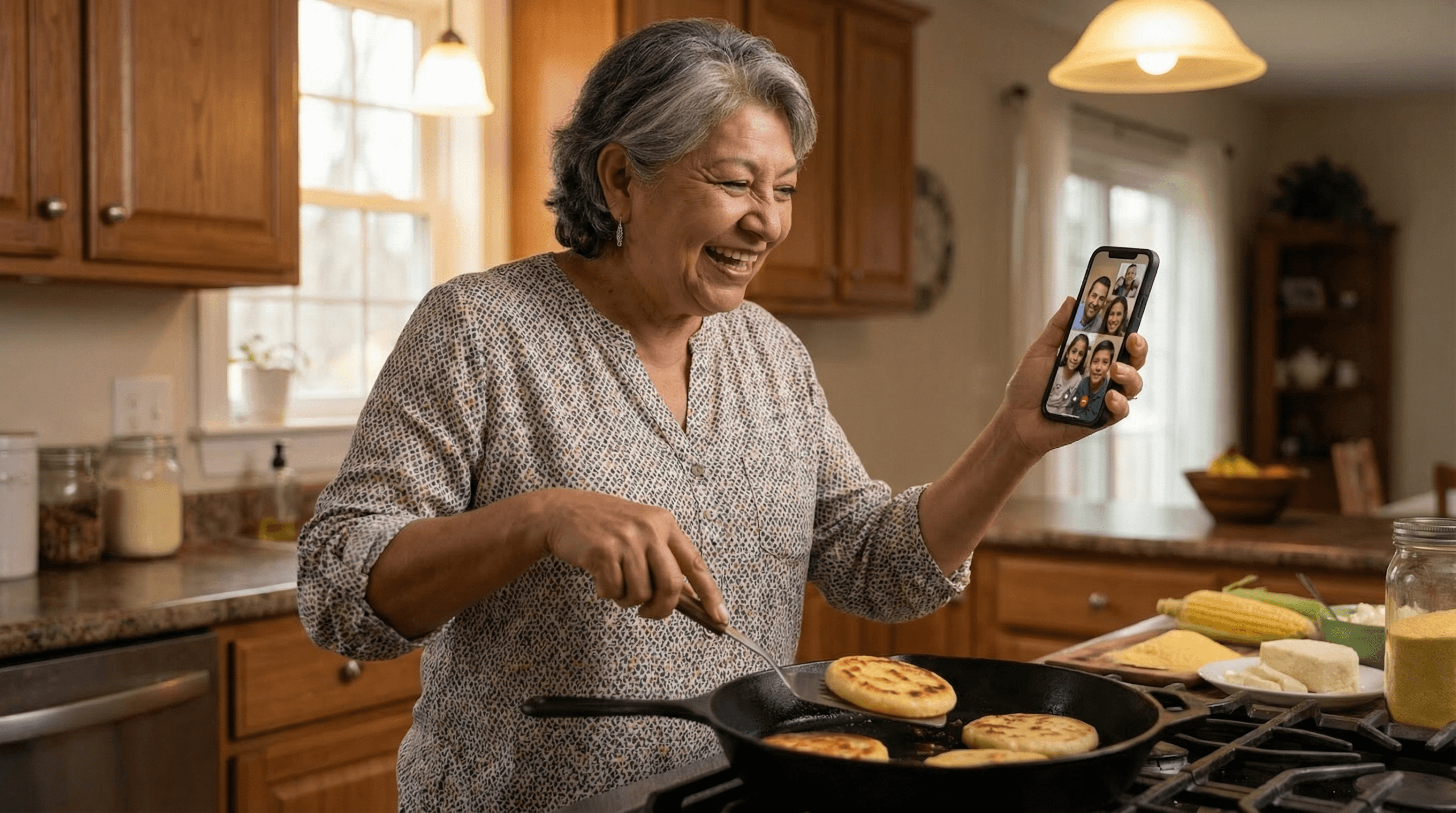
– Mexican tortillerías, for example, do more than sell food. They represent a tradition.
– The same is true for Colombian and Venezuelan areperías, where food becomes a meeting point.
These places create connections. They allow people to share, remember, and keep their traditions alive.
Traditions: Keeping culture alive
Traditions are another key way people maintain their connection to home. Through them, individuals preserve part of their identity and share it with others.
Celebrations, rituals, and festivities remain an important part of life for many migrant communities, especially when they are far from their country of origin.
These traditions are not always celebrated in exactly the same way. They adapt to the new environment, but their meaning remains the same. They continue to be important moments that bring families and communities together.
– Día de los Muertos, for example, is still celebrated in many cities across the United States by Mexican communities.
– The same happens with Diwali among Indian communities.
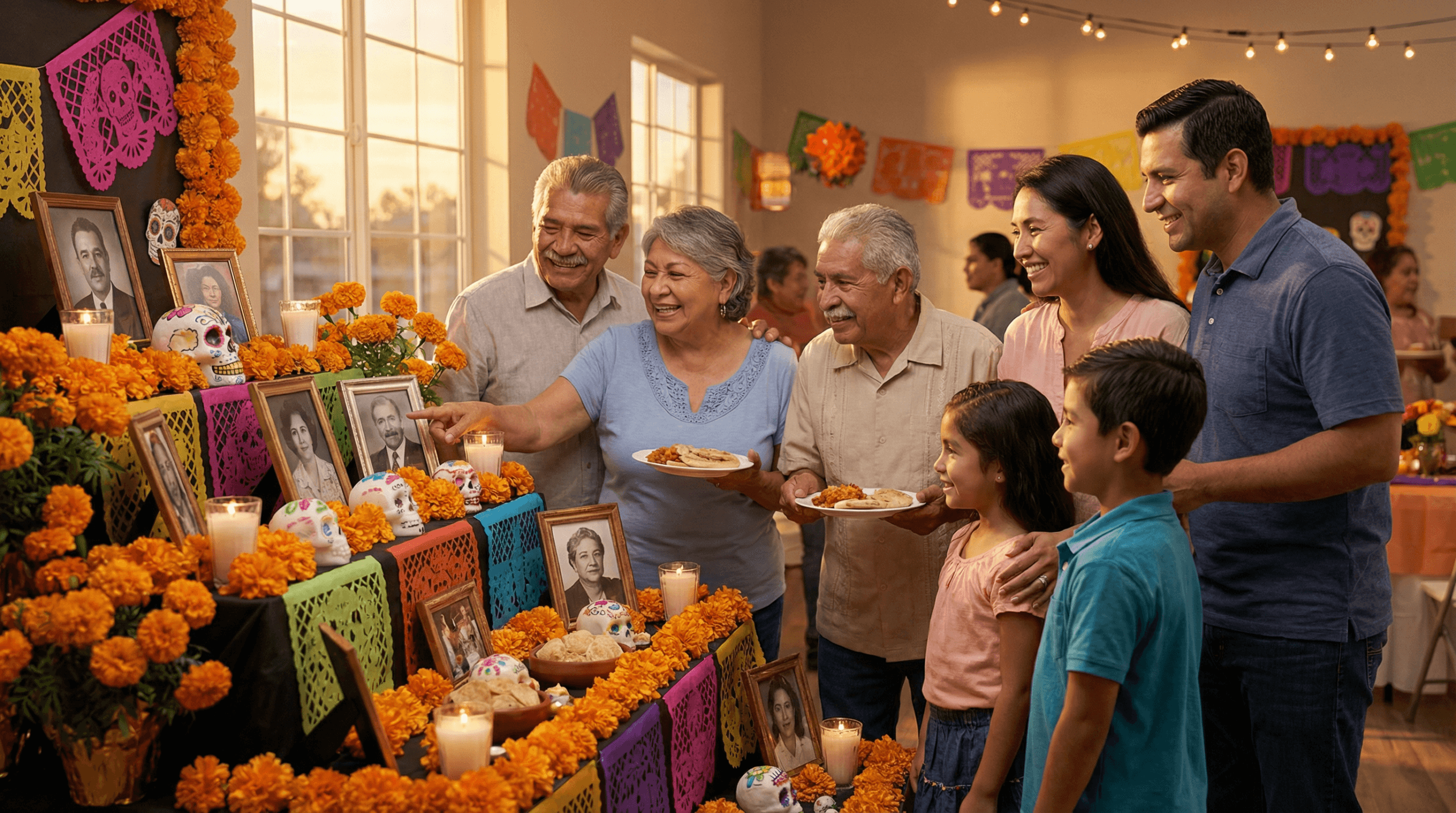
Beyond the celebration itself, what matters is what they represent. These are moments that connect people to their past, reinforce identity, and help pass culture on to future generations.
In many cases, these traditions also help build community. They bring together people with shared experiences and create a sense of belonging.
Everyday places: Spaces that feel like home
Beyond food and traditions, there is another important element: everyday places.
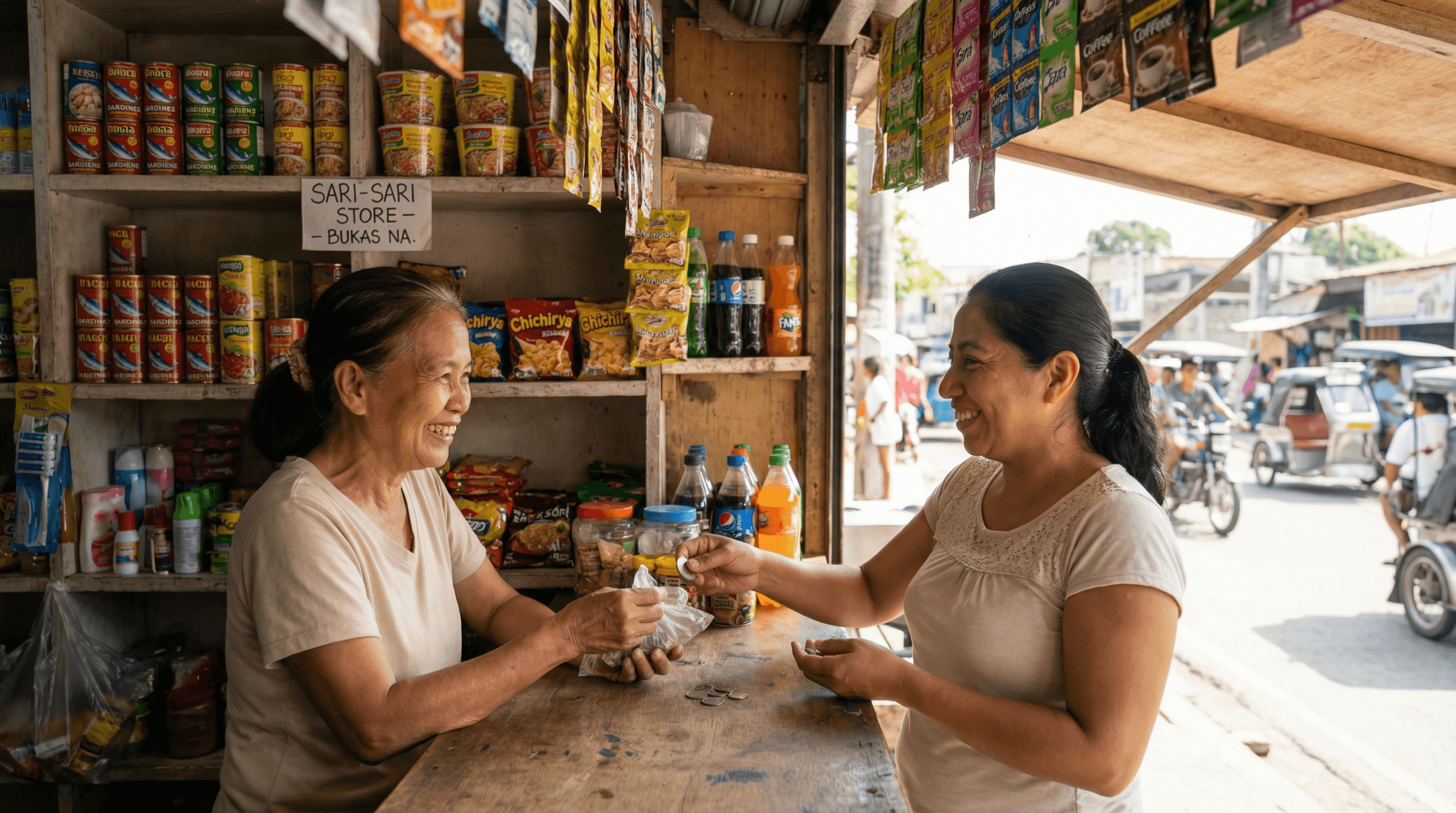
It’s not always about big events or celebrations. Often, the connection to home is maintained through daily spaces. Places where people feel comfortable, where they can speak their language and share their customs.
These can be neighborhood shops, restaurants, markets, or religious centers. Spaces that, even in another country, recreate a sense of familiarity.
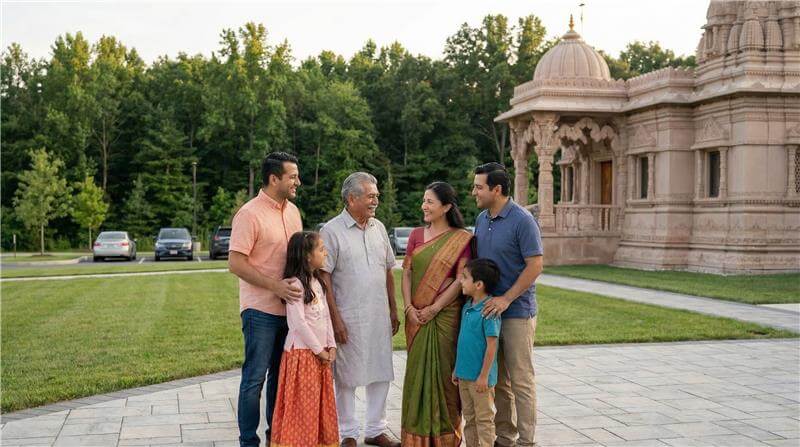
– For example, mandirs serve as cultural and social centers for many Indian communities. They are not only places of worship, but also gathering spaces.
– In the case of the Philippines, sari-sari stores play a similar role. These small shops are part of everyday life and have been recreated in different cities.
These places help maintain a connection to one’s culture and bring together people who share similar experiences.
A connection that evolves over time
The relationship with one’s country of origin is not static. It evolves over time and can change across generations.
For those who migrate, that connection is often very strong. They maintain traditions, habits, and ways of life closely tied to their home country.
In later generations, that relationship can shift. Influences from the country of origin blend with those of the country they live in, creating a more hybrid identity.
Even so, many key elements remain. Food, celebrations, and community spaces continue to play an important role. They act as reference points that help maintain a connection to one’s roots.
Home is not left behind
Home is not lost when someone leaves. It is present in what people cook, in what they celebrate, and in the places they visit. It lives in everyday moments, in simple things, and in what truly matters.
For millions of people, living far from home means finding new ways to keep their identity alive.
At Ria Money Transfer, we understand that this connection goes beyond money. It is also cultural, emotional, and deeply personal.
Because in the end, home is not just a place. It is everything people carry with them, wherever they are.
About the author

Gabriela Solis
Gabriela Solis is Ria's Senior Content Writer. Located in Querétaro, México, she focuses on telling stories that show the myriad human faces of remittances.
Related posts
Your First 30 Days in Miami: A Newcomer's Checklist
Moving to Miami brings sunshine, new neighbors, and a mountain of paperwork. Here's what to handle first: your driver's license, car registration, bank account, health coverage, transit card, and hurricane kit.

The Science of Homesickness: Why We Miss Home and How to Cope
Why homesickness happens, what it reveals about belonging, and simple ways to feel closer to home.
Moving to the US from Colombia: Your Financial Checklist
Everything to sort out in your first months in the US if you're coming from Colombia: ITIN, bank account, work permit, consulate, and how to send money home.
Living in Japan as a Foreigner: How to Read the Room and Feel at Home
Japan always leaves a strong impression on those who visit the country. Its cities are clean and efficient, public transport is known to be reliable, and everyday life often feels remarkably organized. These factors make it easy to understand why so many people choose moving to Japan as a foreigner: to live, work or study