)
)
What to Know About Buying Property Overseas
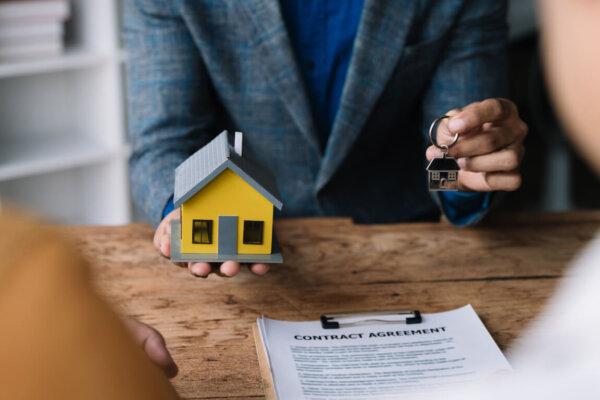
Is it your dream to live in another country? If so, you may have considered buying property overseas. It can be cheaper and more convenient than renting a hotel every time you travel and gives you a place to call home. You’d be in good company — 9 million U.S. citizens, 4 million Canadian citizens, and 10.7 million Chinese citizens live outside of their home country.
But buying property overseas is not without challenges. Navigating international property law, taxes, and finances can be a headache. In this article, we’ll go over exactly how to buy property overseas so you can feel cool and confident as you begin your search.
Advantages of Buying Property Overseas
For many, buying property overseas is more than just a dream. It’s a gateway to a new lifestyle, a chance to diversify investments, and a potential path to financial security. Here are some of the most practical benefits of buying real estate overseas.
Lower Cost of Living
Many countries, particularly in South America, Southeast Asia, and Eastern Europe, offer a significantly lower cost of living compared to Western nations. As an example, the cost of living in Thailand is 52% lower than in the United States. Even moving within Europe, from the United Kingdom to Slovakia, results in a 24.5% lower cost of living.
Not only can you buy property much cheaper, but you can free up more of your budget to enjoy the finer things in life, like exploring local markets or indulging in culinary delights.
Higher Returns on Your Investment
For many people, buying property in another country is a form of investment. You might buy a property in a lower-cost-of-living area and then hold on to it as the area develops and the property value spikes. For instance, property values in Iceland went up 103% between 2010 and 2022 — meaning that if you had owned property here, you could enjoy a stellar return on investment.
Or, you might even buy a beachfront condo and rent it out on a part-time basis to tourists — enjoying it for yourself whenever there are no bookings. Countries right now with especially good gross rental yield percentages are South Africa (10.15%), Latvia (8.06%), and Ireland (7.85%).
The Ability to Experience a New Culture
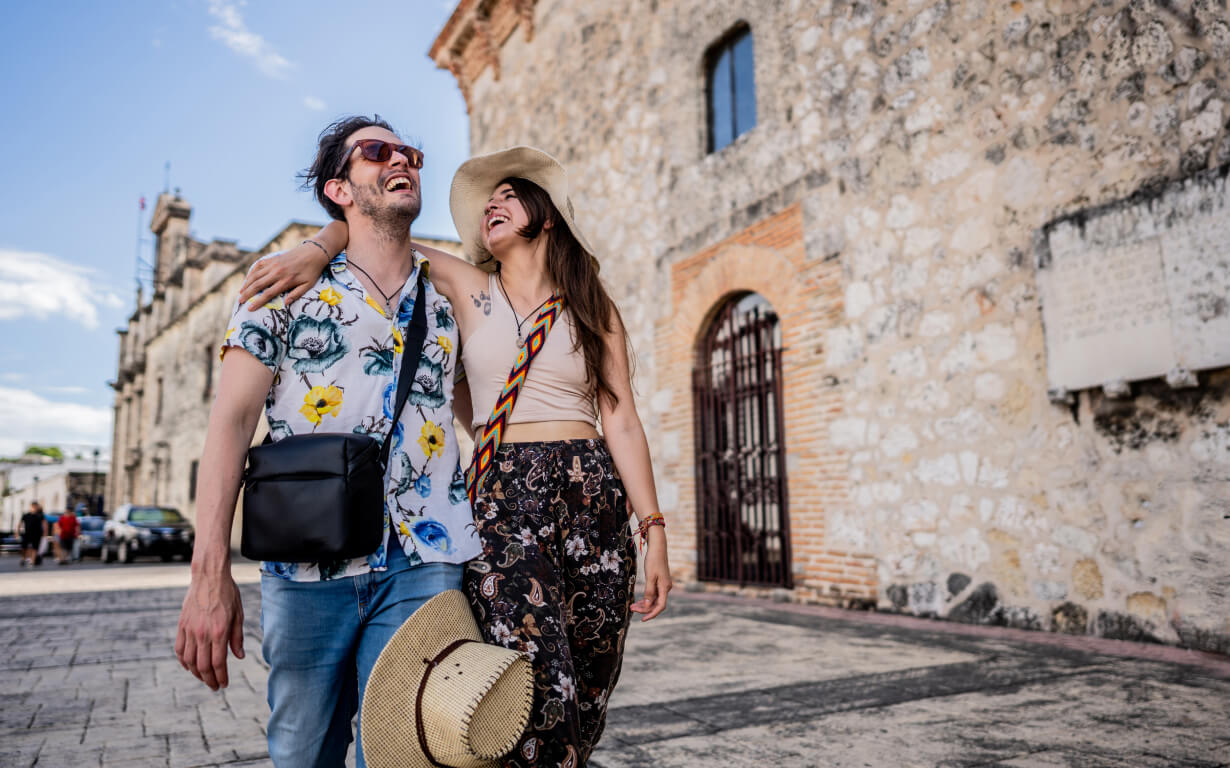
Perhaps the best advantage of buying property overseas is the ability to immerse yourself in a new culture and way of life. You’ll get the chance to settle in as a resident instead of a tourist, getting more time to breathe in the local culture, learn the language, and build a network of friends.
Whether it’s the vibrant street life of Mexico, the serene landscapes of New Zealand, or the rich history of Spain, living in a different country can broaden your horizons and offer a unique lifestyle experience.
Risks of Buying Property Abroad
As rewarding as buying homes overseas can be, it’s not all sunshine and rainbows. There are several important considerations to think about before you sign the paperwork at closing.
Currency Fluctuations and Economic Instability
Currency fluctuations can significantly impact your investment. For example, if your home currency weakens against the local currency where you own property, your investment value, translated back to your home currency, will decrease. A good example of this happening recently is in Turkey, where the value of the Turkish lira depreciated rapidly in 2022 and inflation increased by 80%.
Economic instability within the country can also affect property values. Research the country’s economic outlook and consider political stability before buying.
Cultural and Communication Challenges
Buying a property abroad will require you to have a good command of the local language — or a good interpreter. Most likely, important forms and documentation will all be written in the country’s language without a translation for you to use. Language barriers can complicate negotiations, legal processes, and everyday interactions.
It’s not just language that could set you back. The country where you’re buying property might also have cultural customs you’re unaware of. You’ll need to do a lot of research on local business practices and societal norms to have a smooth transaction.
Double Taxation
Taxes are one of life’s certainties, but buying a property abroad means you might have to pay them twice. Many countries, such as the United States, sometimes require citizens to continue paying income taxes even when living abroad and paying taxes to another country. You may also face capital gains taxes if your property becomes more valuable than when you bought it.
In addition, some countries tax rental income earned from buying properties overseas. Be sure to understand the tax implications before you buy and consult with a tax advisor specializing in international income.
Key Things to Know Before You Buy
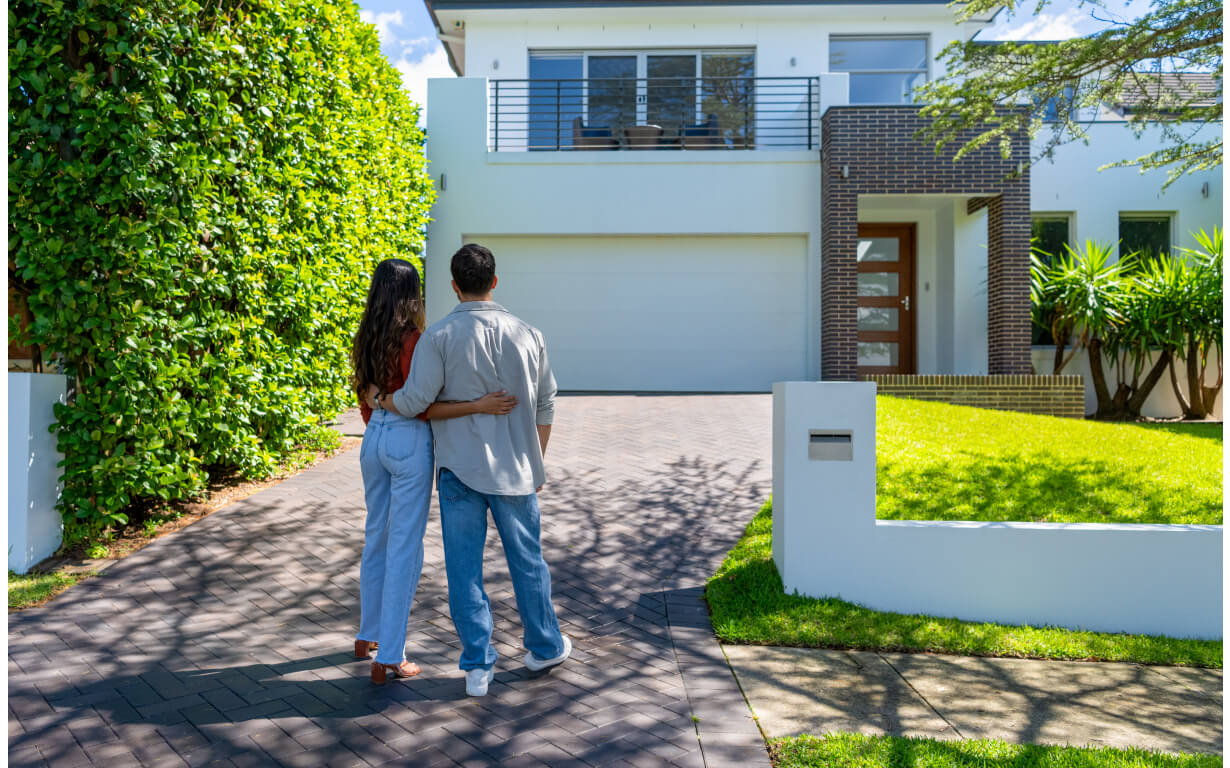
Still set on buying a house overseas after working through the pros and cons? Great! The next step is to think about a few key considerations. Go through this checklist before buying property in another country.
Does the Country Allow Foreigners to Own Property?
Not every country in the world allows foreigners to come in and buy property. Here are just a few examples of countries that limit the purchasing power of foreigners:
Thailand. This country prohibits the sale of land to all foreigners. Naturally, there are a few exceptions. You can set up a Thai company where you own 49% or less of the shares, make a large investment in Thailand, or marry a Thai national.
The Philippines. You can’t own land in the Philippines as a foreigner, but you can buy a condo unit as long as 60% of the building is owned by Filipinos.
Mexico: Foreigners can’t buy land in certain restricted zones. These zones include within 61 miles of the international border and 31 miles of the coast.
Before you start browsing properties, investigate the laws where you want to buy just to make sure it’s actually possible.
What Will Your Tax Bill Be?
When you buy a house abroad, you still likely need to pay taxes on it in your home country. For example, the United States requires U.S. taxpayers holding financial assets outside the country with a value over $50,000 to disclose them to the IRS for taxation.
You’ll also pay taxes to the local country. Property tax rates can vary significantly from country to country. Some countries offer tax breaks for foreign retirees or property owners who don’t live in the country full time, but if yours doesn’t, you’ll be on the hook for the full tax bill.
Many countries also charge a transfer tax or stamp duty tax to record the sale of your home that’s higher for foreigners. For example, when you buy a house in the British Virgin Islands, you pay a 12% stamp duty (compared to a 4% stamp duty for residents).
What Will Your Total Expenses Look Like?
When figuring out your property budget, you might only be considering the sale price of the home. But there’s far more to it than that for a foreigner. Here are some of the expenses you’ll need to account for:
Local and home country taxes (both one-time taxes and recurring taxes)
Property insurance
Property management fees
Maintenance fees
Utilities
Travel or visa fees
If the home you’re buying is subpar, you may also need money for renovations or repairs. All in all, these costs can add up quickly and make living abroad less feasible. That’s why it’s so important to bust out the calculator before you sign on the dotted line.
Can You Buy Property Abroad and Rent It Out?
Again, many countries — and cities — have legal restrictions on renting out properties. As an example, Berlin only allows property owners to rent out secondary residences for a maximum of 90 days per year. Barcelona has taken things a step further by supporting a complete ban on short-term apartment rentals by 2028.
Understanding the ins and outs of local rental law can be tricky, so you might want to work with a property lawyer to know what you can and cannot do as a foreigner.

How to Finance Buying Property Overseas
Unfortunately, financing an overseas property purchase isn’t as simple as walking into your local bank and requesting a mortgage. In the U.S., banks typically don’t provide mortgages for foreign property purchases. However, that doesn’t mean you need to pay in all cash. Here are a few of your financing options when buying property in another country.
Reverse Mortgage
With a reverse mortgage, you can cash out some of the equity you have in your current home and use it to purchase your new property. However, there are a few stipulations — namely, that you have to be 62 or older and have enough equity built up in your home to borrow from. Also, in the United States, you have to live in your primary home for the majority of the time, so this method won’t work if you are planning on moving to your new home outright.
Retirement Funds
Depending on your specific plan and eligibility, you might be able to tap into a portion of your retirement savings for a down payment. In the United States, for example, the IRS allows first-time homebuyers to withdraw up to $10,000 from their IRA without penalty. However, this strategy can be risky, as it reduces your retirement nest egg.
Developer Financing
Some property developers offer financing options for foreign buyers. These deals can be attractive but may come with higher interest rates and shorter repayment terms. Still, this might be a good option if you need to finance the majority of the purchase and don’t have anywhere else to turn.
Personal Loan
Some banks may allow you to take out a personal loan and use it to buy property abroad. Just keep in mind that a personal loan is not a mortgage, so it may have higher interest rates and shorter repayment terms. However, your payments and interest rates are usually fixed, so you’ll know exactly what you owe every month. Also, this will likely only be an option if you have good to excellent credit.
Local Mortgage
Perhaps the most affordable option is to get a mortgage from a bank in the country where you want to buy property. However, this may be harder than it seems. You’ll have to provide proof of your identity, financial stability, and more. Also, the mortgage process might not work the way you’re used to, and you’ll have to worry more about currency fluctuation since your loan will be in the local currency. If you’re interested in this option, always research different lenders and loan products before making a decision.
Simplify the Process of Buying Property in Another Country
Buying property overseas is achievable when you put your mind to it. It can be a rewarding investment, both financially and personally. As long as you carefully consider the pros and cons and do thorough research, you’ll have a good chance of snagging your dream property.
Once you’re enjoying life in your new country, there will likely come a time when you need to complete a money transfer — whether that’s to fund your down payment, shop for new furniture, or get cash to pay the movers. Luckily, Ria Money Transfer can help with that.
Ria offers some of the best exchange rates and lowest fees on the market, helping you make the most of your money. Enjoy fast, easy, and safe money transfers in over 190 countries and territories — so you can focus on your new property instead of worrying about when your money will arrive.

About the author

Gabriela Solis
Gabriela Solis is Ria's Senior Content Writer. Located in Querétaro, México, she focuses on telling stories that show the myriad human faces of remittances.
Related posts

Living in Japan as a Foreigner: How to Read the Room and Feel at Home
Japan always leaves a strong impression on those who visit the country. Its cities are clean and efficient, public transport is known to be reliable, and everyday life often feels remarkably organized. These factors make it easy to understand why so many people choose moving to Japan as a foreigner: to live, work or study

Venezuela Earthquake (2026): How to Help, Find Relief Resources, and Send Money
Many of our customers have loved ones in Venezuela. If that’s you, we’re thinking of you. Here’s what you need to know: Information is based on updates from USGS, UN OCHA, IFRC, and other humanitarian organizations. Details may change as emergency response efforts continue. On the evening of June 24, two powerful earthquakes struck Venezuela []

More Than a Game: How Global Events Change the Way We Spend and Send Money Abroad
Global events like the 2026 world football championship bring more than goals, rivalries and packed stadiums. They reshape how people move, spend and manage money while being abroad, often across multiple countries at once. With the next tournament taking place across the United States, Mexico and Canada, fans are navigating not just different cities, but []

How Migration Is Redefining National Teams in Global Sport
Modern sport no longer knows bounds. Whether it’s on football pitches, athletics tracks or basketball courts, the movement of people across countries and migration in sports has transformed how national teams are built and what they represent. Global competitions increasingly showcase squads made up of players with diverse cultural backgrounds, reflecting a world where migration []