)
)
The Ultimate Expat Guide

Moving abroad can be many things. Exciting, daunting, rewarding, challenging, or all of the above. That’s why we wanted to take the time to walk you through some tried and true tips and tricks for surviving as an expat. (In case you’re not familiar with this term, expat, refers to any person living outside of their country of origin).
Whether you’ve just moved or have been living the expat life for several years, this guide is for you!
Becoming an expat
The process of moving abroad is a balancing act. It’s about staying motivated while dealing with the many moving pieces. Honestly, it’s easy to get overwhelmed when you don’t even know where to start! The good news is there are some clear-cut steps you can follow to become an expat, regardless of your destination.
1. A job or study program. When you’re planning to move to another country, securing a job or study program is a great way to get started. Not only are these two ways to land visas, but they also provide you with a safety net of sorts. As soon as you arrive in your new country, you’ll have a place to go and a network of people at your disposal. At the same time, you can test the waters before committing to an indefinite stay. If the new country or city ends up not being to your liking, you’ll at least have amassed new work experience or finished a degree or certification.
2. Paperwork. Whether you’re moving abroad to work or to study, the kind of paperwork you need will change. Oftentimes, your school or employer will offer guidance since you’ll need their support to process a student or work visa. Now, if at any point you feel your questions aren’t being answered, remember the Internet is your friend! Check out the official government pages and search for forums or online expat communities. Above all, don’t despair! Paperwork is always a challenge, but you’ll get through it.
3. A place to stay. A vital part of moving is finding a new home. They’ll be different things to consider depending on whether you’re relocating with your family or by yourself. Before choosing, think about school districts, proximity to hospitals, your job, or any other amenities that are important to you or your family. Sometimes, your school or employer may be able to help you sort out your lodgings before arrival. If you happen to have friends or family already living in the area, it might be a good idea to crash with them for a few weeks while you go apartment hunting!
4. A plan. No man is an island, especially when moving abroad. Once you arrive in your new country, there will be many little but important things you’ll need to take care of. To keep you from becoming overwhelmed, try to locate resources ahead of time. For example: make a list of health insurance companies, find supermarkets close to your new house, and make appointments before arrival. This way, it’ll be easier and faster to get everything done so you can start living your new, best life abroad!
Choosing where to live
Each migration journey is different. Your personality, background, and especially the languages you speak will play an important role in the adaptation process. The important thing is to narrow down your priorities. Here are some good questions to ask yourself:
- Does my government have treaties with other countries to make it easier for me to get a visa and pay taxes?
- What kind of climate do I feel better in?
- Where do they speak the same language as me? Or, alternatively, where can I learn my target language?
- Which countries have school programs I’m interested in?
- How far from home am I willing to move?
- Are there direct flights from to my hometown? In case I need to go there urgently, how long is the flight back home?
- What’s the time difference?
The answers to these questions will help you make the most accurate decision based on your own wants and needs. However, do keep your options open as you’ll ultimately depend on visa and job applications.
Expat financial planning
The adaptation process goes well beyond culture shock and language learning. You’ll be moving to a completely different economy, which impacts everything from grocery shopping to health insurance. Each country has its own set of rules, but there are similarities in between. Below are some tips to keep in mind.
1. When in Rome, do as the Romans do. Every country is different, but just how different will really come across when comparing prices. Depending on the climate, resources, and lifestyle, the things you loved about your hometown might be more expensive in your host country. Consider which things need to be imported or fabricated. Are there many local beaches or do you have to pay a premium to access the only one? Does your supermarket carry mostly imported goods or does it work directly with local suppliers and white labels?
2. Ease into it. Arriving at a new place is exciting, and it can have you feeling like a tourist for much longer than anticipated. Although you absolutely deserve to get to know your new city, make sure you’re budgeting properly and are prepared for any unforeseeable costs that may come up as you go through the adjustment process.
3. Get flexible with your budget. The expat journey is a winding road, with costs increasing and decreasing depending on where you’re at. Make sure to revisit your budget from time to time to accommodate for new needs, salaries, etc.
4. Consider tax responsibilities. Some countries, like the United States, will ask you to continue filing and even paying taxes while living abroad. This is particularly important if you plan to return to your home country for retirement or after a season. The money you pay in taxes could contribute to your retirement benefits and healthcare coverage, so don’t forget about it! At the same time, pay close attention to the tax rules in your host country as they may vary greatly from what you’re used to. If it’s too complicated, you can always hire a local accountant to help out for the first year or until you learn the ropes.
We wish you the best of luck in your journey overseas! And remember, Ria has your back no matter where you settle. We’ll help you stay connected to your loved ones by delivering your hard-earned money back home through our stores, online at riamoneyransfer.com, or our app,
And, if you haven’t yet, download our app for iOS and Android today and get started!
About the author

Gabrielle van Welie
Gabrielle van Welie is Ria's Global Content Manager. Originally from Dominican Republic, she specializes in the cultural impact of remittances and migration across the globe.
Related posts

Living in Japan as a Foreigner: How to Read the Room and Feel at Home
Japan always leaves a strong impression on those who visit the country. Its cities are clean and efficient, public transport is known to be reliable, and everyday life often feels remarkably organized. These factors make it easy to understand why so many people choose moving to Japan as a foreigner: to live, work or study […]

More Than a Game: How Global Events Change the Way We Spend and Send Money Abroad
Global events like the 2026 world football championship bring more than goals, rivalries and packed stadiums. They reshape how people move, spend and manage money while being abroad, often across multiple countries at once. With the next tournament taking place across the United States, Mexico and Canada, fans are navigating not just different cities, but […]

How Migration Is Redefining National Teams in Global Sport
Modern sport no longer knows bounds. Whether it’s on football pitches, athletics tracks or basketball courts, the movement of people across countries and migration in sports has transformed how national teams are built and what they represent. Global competitions increasingly showcase squads made up of players with diverse cultural backgrounds, reflecting a world where migration […]
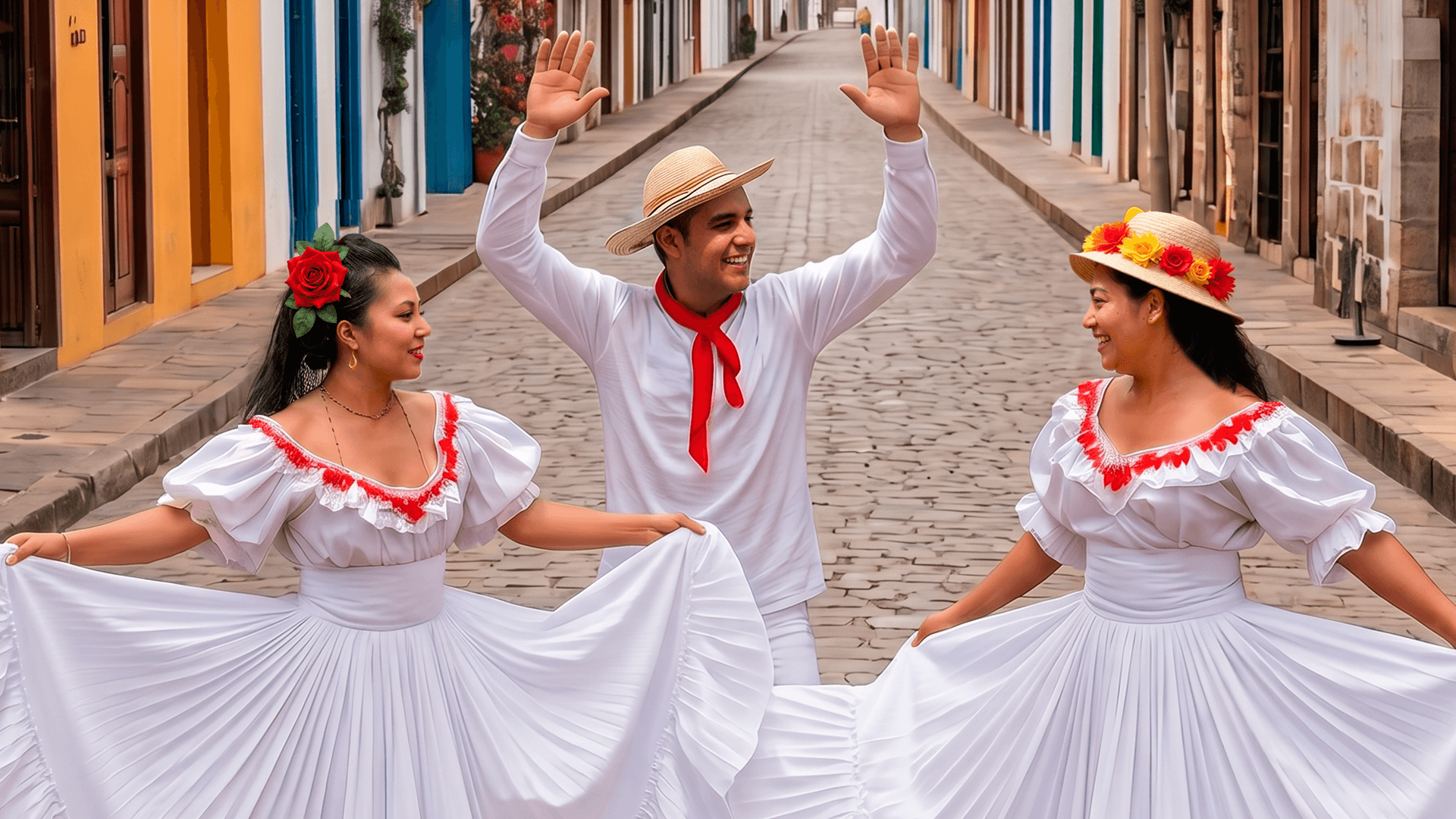
International Dance Day: How Movement Connects Cultures
Dance is a timeless art expressed through movement. It has been used by humanity for millennia to convey meaning and emotions. To this day, dances hold memories and wisdom from ancestral times. They’re a powerful marker of identity that transcends borders and ages, bringing cultures together. That is why many migrants use dance as way […]