

5 best Miami neighborhoods for Colombian and Latino families
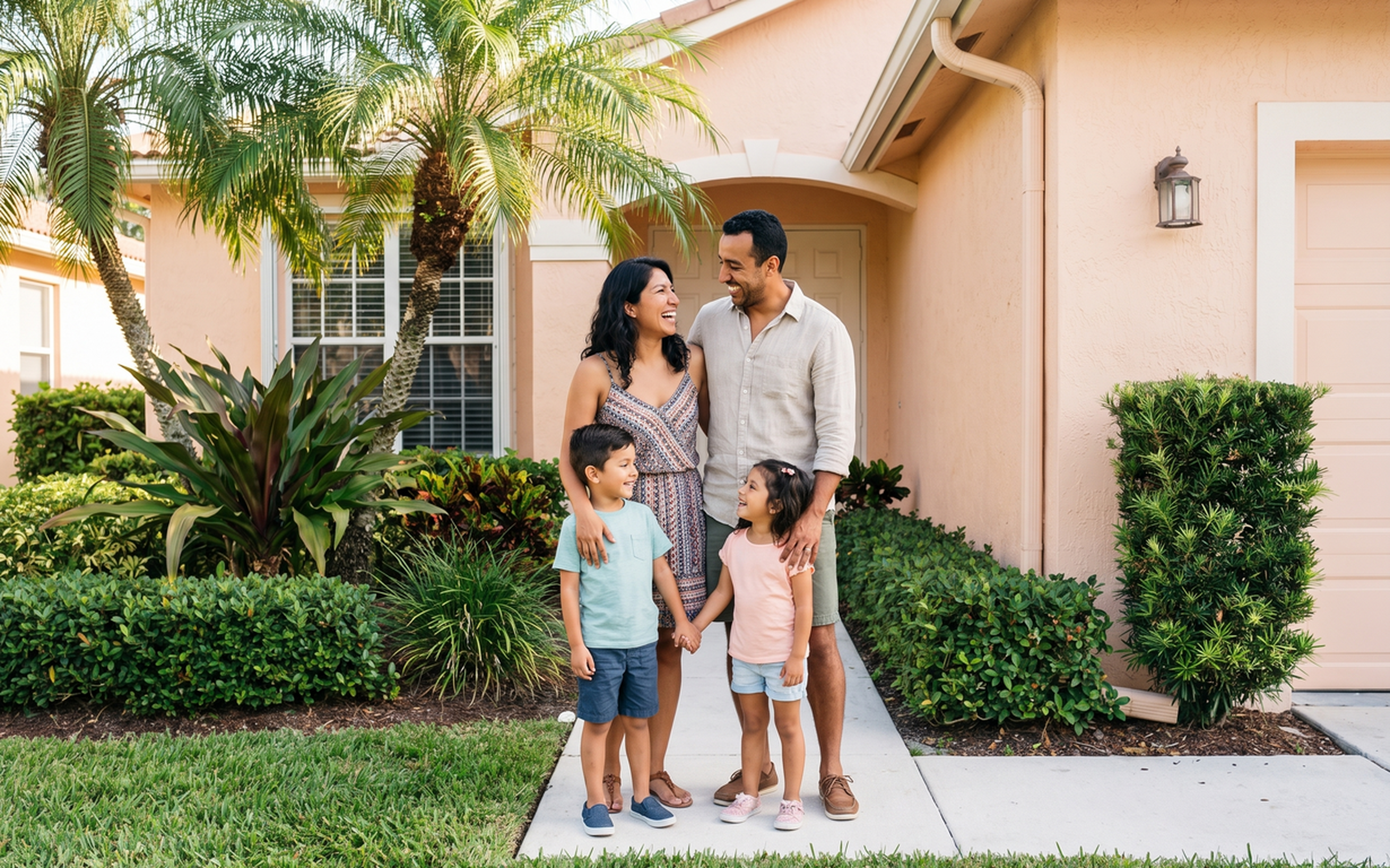

One of the biggest decisions when moving to a new city is choosing where to live. Your neighborhood shapes a lot of everyday life: it’s where you’ll meet new friends, where your kids will grow up and where you’ll find the coffee shop and bakery that eventually make it feel like home. For Colombian and Latino families moving to Miami, the right neighborhood can make the transition easier. Familiar food nearby, neighbors who speak your language and a community that shares your traditions help a lot in a new city.
Miami has plenty of options, each with its own personality. Here are five neighborhoods worth considering for your family, starting with Kendall’s Colombian community and the large Latino communities of Doral and Hialeah.
Why Miami works for Latino families
Miami is an immigrant city, and that shapes everyday life in ways that matter to families. A few numbers:
Miami-Dade County is home to more than 1.45 million immigrants, over 53% of the county’s population.
About 138,352 residents of Colombian ancestry live in Miami-Dade, roughly 5.2% of the county.
The largest Colombian populations are in the city of Miami, Doral, Hialeah and Miami Beach.
In practice, that means you can often talk to your pediatrician, your landlord or your kid’s soccer coach in Spanish. Your children can grow up bilingual and stay close to their roots. And when you miss home, a plate of arepas or a tinto is usually a short drive away.
English still matters, especially for paperwork and many professional jobs. But for a family that’s just arriving, a community that already speaks your language makes the first months a lot easier.
Already settled and supporting family back home? With Ria you can send money to Colombia to a bank account, through Bre-B or for cash pickup, online or in the app.
These are some of the most popular Latino neighborhoods in Miami-Dade. Each one suits a different budget, commute and kind of everyday life.
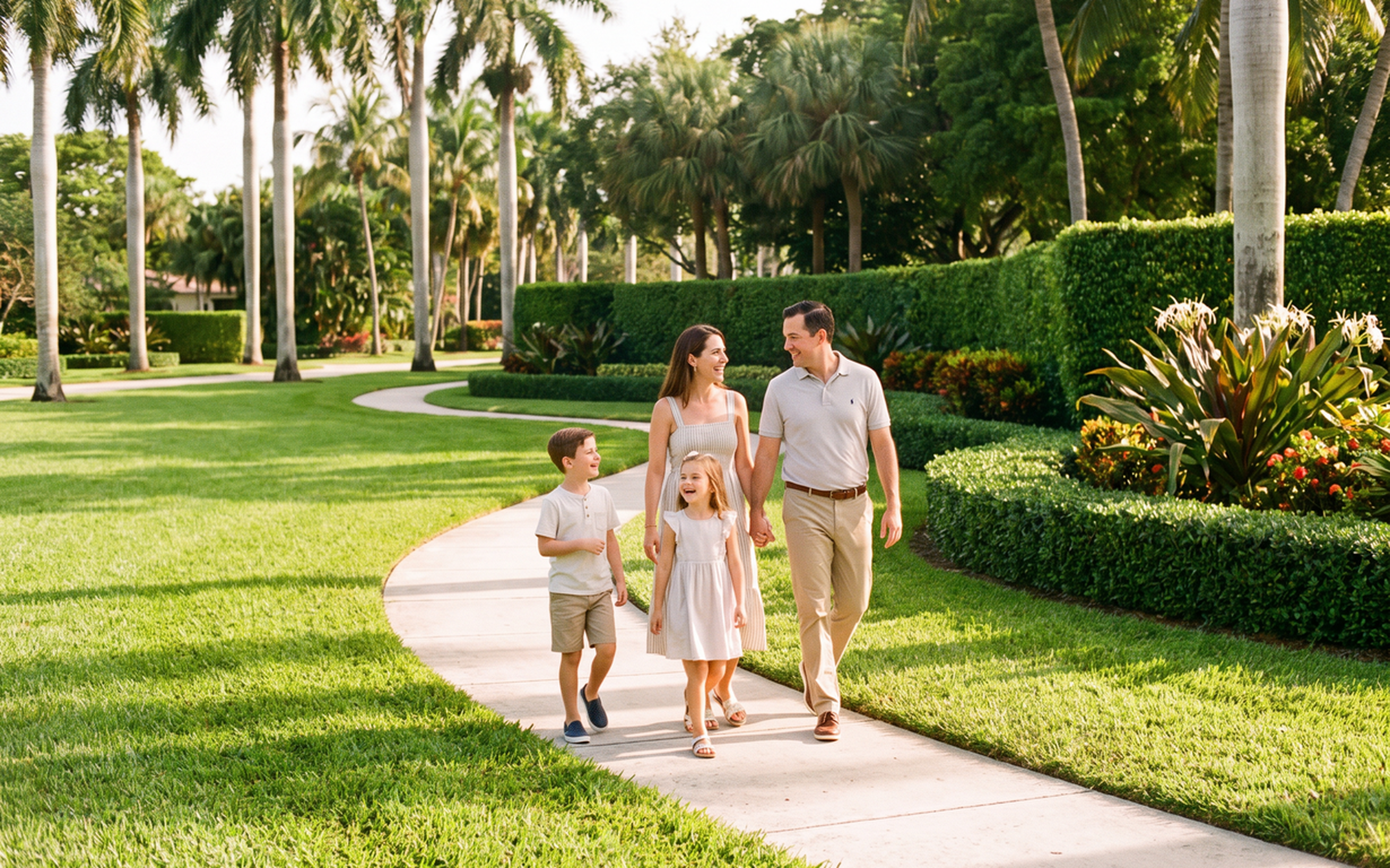

1. Kendall: The “Little Colombia” of Miami
If there’s one neighborhood Colombians in Miami mention first, it’s Kendall. This large area in southwest Miami-Dade is mostly residential, with shopping centers, schools and quieter streets than you’ll find closer to downtown.
People often call Kendall “Little Colombia,” and it shows. At Westwind Lakes Park you’ll find Plaza Colombia, a space celebrating Colombian culture that the Colombian-American Coalition of Florida created with the county’s parks department. It’s a good place to take the kids on a weekend and meet other families who made the same move.
Kendall may suit you if:
You want a residential feel with room for kids to play.
You’d like Colombian restaurants, bakeries and shops nearby.
You’re OK with driving for most errands.
Kendall covers a lot of ground, and commutes to downtown or the airport can be long at rush hour. Test the drive at the time you’d actually be on the road before you sign anything.
2. Doral: Close to the airport and full of Colombian flavor
Doral sits just west of Miami International Airport and mixes newer residential developments with offices and warehouses. It has a well-known Colombian presence, and several Colombian brands have set up there, from restaurants serving Caribbean coast food to a bakery chain and a delivery company.
For families, Doral has a couple of practical perks. Living near the airport makes trips back to Colombia (or visits from the abuelos) easier to plan. And many jobs in logistics, trade and offices are right in the area, which can mean a shorter commute.
Doral may suit you if:
You fly home often or expect regular visits from family.
You work near the airport or in western Miami-Dade.
You prefer newer buildings and planned communities.
3. Hialeah: A big Spanish-speaking community
Hialeah has one of the largest Colombian populations in the county, and it’s known for its large Spanish-speaking community and Latino-owned businesses. For many newcomers, it’s a place where you can handle almost everything in Spanish while you work on your English.
Families moving to Hialeah often look for:
A strong sense of Latino community, with neighbors from across Latin America.
Local businesses that feel familiar, from bakeries to small markets.
A location in the north-central part of the county, with access to major roads.
Compare a few listings and check the school zone for each address. Streets just a few blocks apart can be zoned for different schools.
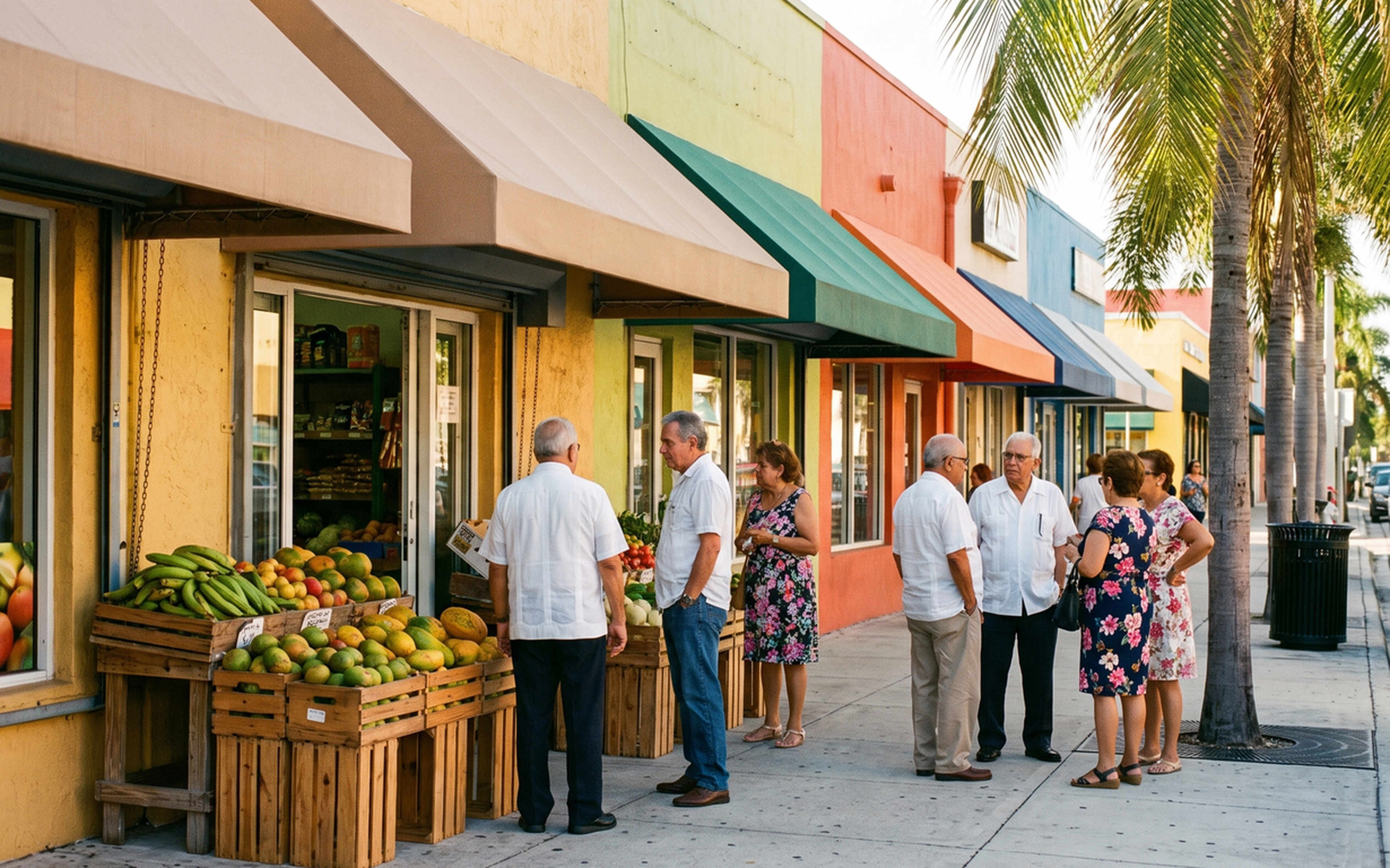

4. City of Miami: More transit and shorter trips to downtown jobs
The city of Miami itself has some of the largest Colombian numbers in the county. Compared with the suburbs, it gives you more transit options and a shorter trip to downtown jobs.
That matters if you don’t have a car yet, or if your family only has one. Look at areas near Metrorail or major bus routes so you can get to work, school and appointments without driving everywhere.
The city of Miami may suit you if:
You’ll work downtown or in nearby business districts.
You want to rely on public transit, at least at first.
You like a more urban lifestyle with everything closer together.
Space can be tighter than in Kendall or Doral, so families with several kids may need to weigh a smaller apartment against a shorter commute.
5. Miami Beach: Beach life with a Latino community
Miami Beach is also among the cities with the most Colombian residents in Miami-Dade. If your family loves the ocean and a walkable lifestyle, it’s worth a look.
Be realistic about the budget before you commit. Beach living can come with higher housing and insurance costs, and the drive to the mainland adds time if you work elsewhere in the county. Compare a few options side by side and factor in parking, flood coverage and summer electricity bills, not just rent.
Miami Beach may suit you if:
You work in tourism, hospitality or on the beach side.
You want a walkable neighborhood with the beach close by.
Your budget has room for higher living costs.
Miami neighborhoods at a glance
Not sure where to start? Here’s a quick way to match each neighborhood to what matters most to your family.
If you want… | Look at | Why |
|---|---|---|
A strong Colombian community | Kendall | Known as “Little Colombia,” with Plaza Colombia at Westwind Lakes Park |
Space for kids and a residential feel | Kendall | Mostly residential, with parks, schools and quieter streets |
Easy trips back to Colombia | Doral | Right next to Miami International Airport |
Newer buildings and planned communities | Doral | Mix of newer residential developments, offices and shops |
To handle daily life in Spanish | Hialeah | Large Spanish-speaking community and Latino-owned businesses |
To live without a car | City of Miami | Metrorail and major bus routes close by |
A shorter commute to downtown jobs | City of Miami | Closest to downtown and nearby business districts |
Beach life and walkable streets | Miami Beach | Ocean nearby, but expect higher housing and insurance costs |

How to choose the right Miami neighborhood for your family
Once you have a shortlist, these checks can save you from a lease you’ll regret:
Commute: Miami’s expressways can get very congested at rush hour, so a route that looks quick on a map may take twice as long. Check the drive at the time you’d be on the road.
Schools: Look up school boundaries for each address you’re considering before you sign.
Full budget: Add car insurance, health insurance, summer electricity and storm or flood coverage to the rent. Florida’s 6% state sales tax, plus any local surtax, also applies to many purchases.
Money home: If you support family in Colombia, treat it as a fixed monthly expense, the same way you treat rent.
Want to see how your budget changes after the move? Compare the cost of living in Miami with your city in Colombia using our free tool. For transit, health coverage and other settling-in steps, our checklist for your first 30 days in Miami walks you through it.
A new home means new routines and new friends. As you build your life in Miami, you can keep the traditions and relationships that make Colombia feel like home.
FAQs
What is the best neighborhood in Miami for Colombian families?
It depends on your work, budget and lifestyle. Kendall is often called “Little Colombia” and has a residential feel, Doral is close to the airport, and Hialeah and the city of Miami have large Spanish-speaking communities.
Where do most Colombians live in Miami?
Colombians live across Miami-Dade County. The largest Colombian populations are in the city of Miami, Doral, Hialeah and Miami Beach, and Kendall is well known for its Colombian community.
How do I find out which school my child would attend in Miami?
Miami-Dade County Public Schools has an attendance boundary tool where you can check which schools serve a specific address.
Can I live in Miami without a car?
It’s easier in the city of Miami, where Metrorail and major bus routes are close by. In suburbs like Kendall and Doral, most families rely on a car for daily errands.
How can I send money to Colombia from Miami?
With Ria you can send money online, in the app or at a Ria location. Your family can receive it in a bank account, including when you send money to Bancolombia, through Bre-B or as cash pickup.
New neighborhood, same family. Once you’ve found your place in Miami, we make it easy to support the people back home. Send money to Colombia with Ria today.
About the author

Ignacia Córdova
Ignacia Córdova is Ria's Content Specialist, based in Santiago, Chile. She loves turning everyday moments into stories worth sharing, one post at a time.
Related posts


Why People Send Money Home: Remittances by Region Explained

Moving to Miami from Colombia: A guide for newcomers
Moving to Miami from Colombia? Here's where many Colombians settle, what living in Miami costs, how to handle your Colombian documents from Florida and how to send money home.


How to find a job in Miami: A guide for newcomers
Starting over in Miami? Here's how to get your work permit and Social Security number, have your degree evaluated, adapt your résumé for U.S. employers and find job openings in the city.

Your First 30 Days in Miami: A Newcomer's Checklist
Moving to Miami brings sunshine, new neighbors, and a mountain of paperwork. Here's what to handle first: your driver's license, car registration, bank account, health coverage, transit card, and hurricane kit.