)
)
How to Volunteer Abroad: Giving Back While Living Overseas
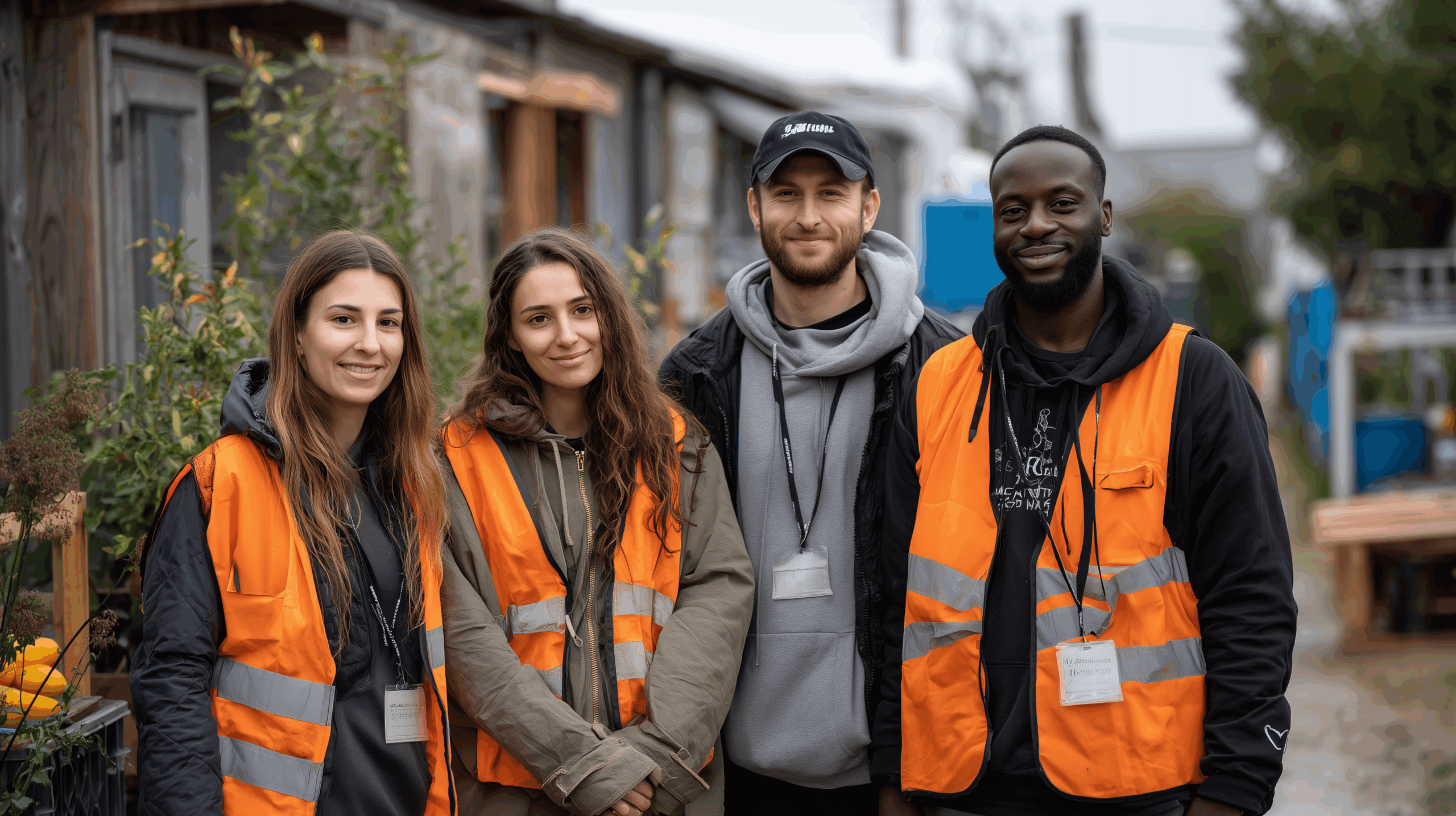
Moving abroad marks the beginning of an adventure. You will discover a new culture, explore new landscapes, taste new foods… and have the chance to truly integrate into your host community. There are many ways to do this, but today we are focusing on one of the most selfless: volunteering.
Giving your time to a cause you hold dear is an incredible way to connect with your community. Whether you use your existing skills or learn new ones, volunteering immediately immerses you in the reality of your neighbors. What do they need? How can you help? It is a powerful way to integrate and make a true difference.
Key Takeaways
▪ Volunteering abroad helps you integrate and make a meaningful impact on your host community.
▪ There are four main types of volunteer work: environmental, animal, social, and healthcare.
▪ Choosing the right opportunity starts with self-reflection: consider your motivations, goals, and skills before selecting a program.
▪ You can support your home community from abroad through sharing knowledge, emotional support, remote volunteering, and financial contributions.
▪ Remote volunteering and online support are increasingly accessible, allowing you to help NGOs and loved ones from anywhere.
Finding the Right Volunteer Opportunity
To find your perfect volunteer opportunity while living abroad, you need to start by asking yourself a set of questions:
▪ “Why do I want to volunteer?”
▪ “What are my goals and expectations?”
▪ “How much time do I have available?”
▪ “Which skills can I offer?”
▪ “What kind of volunteer program would I like to do?”
These prompts can help you understand your own intentions, so you can make better decisions later in the process. The answers have to come from within, but we can help you with the last one.
The Four Types of Volunteer Work
Generally, there are four different types of volunteer work: environmental, with animals, social, and in healthcare. Within these four, there are subcategories. Let’s detail them, to help you choose what fits you the best.
Environmental volunteer work
Environmental volunteer work includes conservation, farm work, and climate change projects. Conservation and farm work are ideal if you enjoy being outdoors. They are both very hands-on and can be physically demanding. Some examples of conservation work are reforestation projects and cleaning up beaches, while some examples for farm work can include animal care, fence building, and harvesting. If you prefer, you can also get involved in climate change volunteering by joining an environmental group.
Animal volunteer work
Animal volunteer work includes helping out in animal shelters or participating in wildlife conservation. At an animal shelter you would be helping with the upkeep or with the shelter’s communications, organizing events on social media. You could also care for animals in your own homes or rescue and care for injured animals. Wildlife conservation takes place further away from the animals as it includes counting and protecting them and conserving their natural habitat through tree planting and cleaning, for example.
Social volunteer work
Social volunteer work includes teaching, working with children, and community development. If you speak a different language, you could use it to teach children and adults! You would be responsible for preparing lesson plans and making learning this language more fun and accessible. You could also devote your time to bringing joy to children in need at youth clubs, schools, and summer camps. Community development usually means joining a charity, helping to distribute food or welcoming migrants. It is crucial to be well informed and even trained to be able to help those in need.
Healthcare volunteer work
Healthcare volunteer work includes aiding the elderly. You can spend your time at a nursing home, delivering meals, helping with the grocery shopping, or just calling and checking in every day. Counselling is all about being a compassionate support to crime victims or people struggling with their mental health, for example. It can be grief counselling, for domestic and family issues, though this requires specific training.
Remember, the key is to choose an opportunity that matches your intentions, skills, and availability. Always research the volunteering organization carefully. The right project should fit your expectations, be trustworthy, sustainable, and centered on helping and collaborating with the community.
Supporting Your Community Back Home
Now that you are volunteering and integrating in your new country, know that you can still support your community back home through various ways.
Share your knowledge, skills and opportunities
With your new life underway, you are gaining new experiences and making connections. This is a great opportunity to share it all with your loved ones! Offer advice, share your network, provide useful resources, or send information that can benefit someone at home. Your guidance can be incredibly valuable.
Provide emotional support
Don’t underestimate the power of regular phone calls and messages. Just because you are physically far from your loved ones doesn’t mean you can’t be present. Taking the time to catch up with a friend or check in on a family member going through a tough time is a powerful form of support. Staying connected is not only essential but feasable, even with miles separating you.
Help with administrative tasks remotely
If you have access to the internet, you can also assist your loved ones with administrative and practical tasks. This can include completing online forms, helping with translations, researching a subject, or making sense of complicated paperwork. Your help is precious and can be given from afar easily.
Donate to NGOs back home
Even if you cannot physically give your time to your local NGOs back home, you can still support them via donations. Most of the time, those organizations depend on this aid to keep working and helping those who need it the most. Just make sure that the payment method is secure. Even if the help you’re offering is solely monetary, you can still feel proud of your impact. Your contribution is truly making a difference. Participating in fundraisers online is also a great way to support local initiatives that are meaningful to your community.
Volunteer with NGOs back home remotely
Did you know that you can volunteer online, too? Some NGOs also accept remote help. This can be you! Some online roles include tutoring, mentoring, translation, writing, communication, or administrative support. Contact your local organizations back home and offer your time remotely! This way, you are still contributing to helping your community.
Stay engaged in your home civic life
Living abroad does not remove your civic duties! When elections are held in your home country, you can still participate and vote from where you live. Check out your embassy’s website to know about the processes and next steps. It is a direct way to support your community’s future and is generally not time-consuming.
Proudly represent your culture abroad
What better way to support your community than showing it to the world? Living abroad is an amazing way to showcase your roots. Share your traditions and heritage whenever you can! This will help your community feel valued and seen on an international scale. If you are looking for ideas, check out our latest blog post to learn all about how to celebrate your cultural identity while living abroad.
Supporting your family financially
If you send money back home, you are already playing a big part in contributing to your community. Thanks to your financial support, you are lessening the burden on public services and covering vital needs like health and education for your family. In many cases, family members can also help you allocate extra funds to grassroots initiatives or to lend a helping hand to neighbors in need. That’s why a reliable money transfer service is essential. With Ria, you can send funds quickly, safely, and conveniently, online, through our app, or by visiting a nearby location.
Conclusion
Volunteering abroad is more than just giving your time. It’s a way to truly integrate into your new community while making a meaningful impact. By choosing the right volunteer opportunity, whether in environmental, animal, social, or healthcare work, you can match your skills and passions with the needs of others.
At the same time, living overseas doesn’t have to mean leaving behind your home community. You can give back in many ways: from providing emotional support and sharing knowledge to assisting with practical tasks, distance doesn’t have to limit your impact.
By balancing your volunteering with care for your community back home, you create lasting change for both. And when financial support is needed, reliable services like Ria make it simple to send help safely and quickly.
FAQs
There are four primary categories: environmental, animal, social, and healthcare volunteering. Each offers unique ways to contribute based on your interests and skills.
Reflect on your motivations, goals, available time, and skills. Research organizations to ensure their projects align with your values and expectations.
Yes! You can share knowledge, provide emotional support, help with administrative tasks, donate to NGOs, and volunteer remotely.
Remote volunteering includes tutoring, mentoring, translation, writing, communications, and administrative support. Many NGOs offer online roles for overseas volunteers.
Regular phone calls, messages, and check-ins help maintain strong relationships and provide meaningful support from a distance.
Absolutely. You can assist with online forms, translations, research, and paperwork remotely, making significant difference from afar.
About the author

Chiara Boutot
Chiara Boutot is a French content specialist who likes to write about migration, community and connection.
Related posts

The Currency of Caring: The Human Side of Remittances
Every year on June 16th, the world observes International Day of Family Remittances. On that date, we recognize the millions of migrants who send money back home to support their loved ones, helping build a better future for countless households across the globe. Although there is a lot of data about the financial impact and […]

Sadio Mané and Ria: Empowering the Global Diaspora
Sadio Mané is considered one of the best and most recognizable African footballers of all time. But the Senegalese striker is more than just a global football icon: throughout his career, he’s reinvested his earnings back into his community, bridging the gap between football, migration and financial empowerment. That’s why at Ria we are extremely […]

How Migration Is Redefining National Teams in Global Sport
Modern sport no longer knows bounds. Whether it’s on football pitches, athletics tracks or basketball courts, the movement of people across countries and migration in sports has transformed how national teams are built and what they represent. Global competitions increasingly showcase squads made up of players with diverse cultural backgrounds, reflecting a world where migration […]
The Science of Accents: Why We Sound Different Abroad
Everyone has an accent. From the moment we arrive somewhere new, our voice can be a standout. That’s because accents act as social signals: they can hint at region, community, and lived experience long before we share our full story. However, it’s important to separate a common misconception from science: an accent isn’t a pronunciation […]