)
)
How to Decide the Best Day For a Currency Transfer

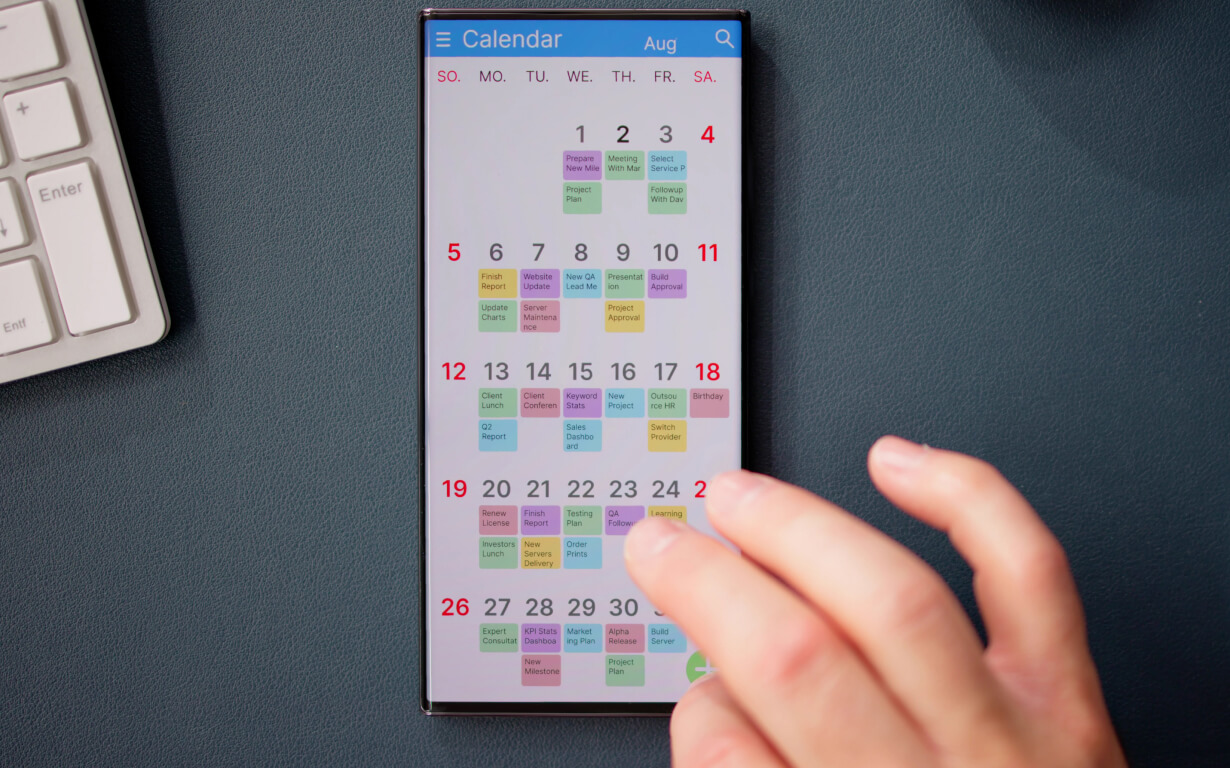
The best days to transfer money are early in the week, such as Monday or Tuesday, and mid-month. These periods tend to have more stable currency exchange rates because they avoid the busy times at the end of the month and on Fridays, when many individuals and businesses make their transfers.
Timing your currency transfer during these less hectic periods can help you get more value for your money. And when you’re ready to make your next transfer, send money with Ria for a reliable and convenient experience.
Keep reading –or check out our video below– to learn why transferring on these specific days can save you money.
Why Early in the Week and Mid-Month?
1. Lower Activity Means More Stability
Exchange rates often experience higher fluctuations during busy periods, like the end of the month or Fridays, when many people pay bills or businesses settle accounts. This increased activity can cause rates to spike or drop unexpectedly. By transferring early in the week or in the middle of the month, you’re likely to avoid this volatility and lock in a more consistent rate.
2. Avoiding Peak Transfer Times
Peak transfer periods have higher transaction volumes, which sometimes leads to less favorable rates. Here’s when to steer clear:
Fridays are especially busy because they precede the weekend, giving people a final chance to process transactions for the week.
End of the Month sees many transfers as individuals and companies address monthly obligations like bills and salaries.
Public Holidays or periods around them can also bring unpredictable fluctuations, especially since currency markets might temporarily close, creating a lag in rates.
By choosing quieter times, like Mondays or mid-week, you stand a better chance of securing a steady exchange rate.

Key Factors That Affect Exchange Rates
While timing plays a big role, understanding the factors that influence exchange rates will help you make more informed decisions:
1. Geopolitical Events
Global political and economic news can heavily impact currency values. For instance:
A country’s currency may strengthen if it announces strong economic data or policy reforms.
Uncertainty, such as during elections or conflicts, usually weakens a currency.
Keeping an eye on major developments can help you anticipate rate fluctuations. For example, if a government announces new laws or inflation rates rise, it could influence the exchange rate.
2. Mid-Market Rate
The mid-market rate is the benchmark for currency exchange. It reflects the midpoint between the buying and selling prices of two currencies. Knowing this rate helps you identify if the rate being offered by a bank or provider is fair. Tools like Ria’s currency calculator make it easy to track the mid-market rate.
3. Time Zones and Market Hours
Currency markets operate globally, and overlapping market hours might cause more volatility. For instance, the busiest trading occurs when London and New York markets overlap. Early in the week, trading volumes are typically lower, which helps stabilize rates compared to more active days later in the week.
Tips to Maximize Your Currency Transfer
To get the best deal, combine optimal timing with these additional tips:
1. Track Exchange Rates Regularly
Monitor exchange rates over a few days or weeks to spot patterns. Even small changes in the rate can make a big difference, especially for larger transfers.
2. Set Alerts
Some financial platforms allow you to set rate alerts for your preferred currency. This way, you can know immediately when rates are in your favor.
3. Plan Remittances Ahead
If you regularly send money abroad, plan your transfers in advance. For example, scheduling your transfer mid-month during early weekdays can help avoid last-minute end-of-month rushes.
4. Use a Trustworthy Transfer Service
Choose providers that offer competitive rates with transparent fees. Services like Ria’s currency calculator can help you see how much your recipient will get and help you compare offers.
Send Money with Ria Money Transfer
By taking charge of your timing, you’ll keep more of your hard-earned money—and deliver more to those who rely on it.
At Ria Money Transfer, we offer a simple and hassle-free way to manage currency transfers. You can find your nearest location to send money on our locations page or download the Ria app to set up a money transfer within minutes. Visit our website to check our latest exchange rates and send money with Ria!
About the author
Devon Costantine
Devon Costantine is Ria's Senior Digital Marketing Manager, leading global web content. Based in Colorado, she believes the best way to explain a financial system is to start with the people inside it.
Related posts

Where $100 Goes Furthest
What can you buy with $100? The answer depends on the country. In some places, $100 is more than enough for a cart full of groceries at the store and then some. In other countries, your dollar won’t stretch nearly as far. This study compares how far $100 goes depending on your location and country []

Financial Self-Care for Remittance Senders: Thrive While You Give
Each year, millions of migrant workers send money back home to support their families. These funds have the power to significantly improve the lives of countless households. Even small amounts can make a big difference, helping cover basic expenses and paving the way for a better future. Sending money home is a powerful act of []

How to Prepare for Retirement: Smart Tips for a Comfortable Future
Depending on where you are in your career and in life, retirement may seem like a distant dream or an approaching reality. How much money do you need to retire comfortably? What are the different types of retirement plans? No matter your age or income level, to prepare for retirement is one of the most []

How to Send Money Without a Bank Account
Transferring money is an essential part of modern life, but not everyone has access to a traditional bank account. Sending funds quickly and securely can feel like a challenge without a bank. But here’s the good news: there are reliable alternatives. Why People Might Not Have Bank Accounts To understand how to send money without []