)
)
Diwali: The Hindu Festival of Lights
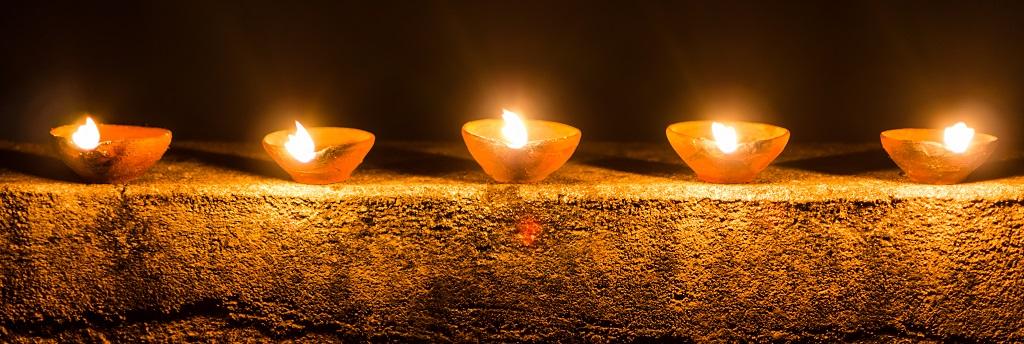
Once a year, the moon looks completely different from India. With oil lamps adorning the streets during the new-moon night, the festival of Diwali has grown to become the biggest celebration in Southeast Asia.
Aside from India, countries like Nepal, Sri Lanka, Singapore, Malaysia, Fiji, Suriname, Guyana, and Trinidad and Tobago also celebrate Diwali.
But, why?
The history of Diwali
Millions around the world observe the festival of lights, but each person seems to have a different reason for celebrating.
Based on Hindu mythology, Diwali commemorates the return of Rama, Sita and Lakshman, three exiled deities from the city of Ayodhya, after their triumph over evil. To welcome them home, communities light up their homes, streets and offices.
Some view the oil lamps as guiding lamps for the gods, with the goddess of wealth Lakshmi being the most worshipped during the season.
In the end, Diwali is an inclusive celebration that aims to bring everyone together regardless of their beliefs. An overall triumph of good over evil.
When Is the Diwali Festival Celebrated?
In India, months are divided into light and dark halves. Diwali (“series of lighted lamps” in Hindi) starts during the dark half of Ashvina, the lunar month, and ends in the light half of Karttika (Hindu calendar month that falls around October and November).
In Gregorian terms, we’re talking late October to early November, with this year’s new-moon night falling on November 1st.
The Traditions of Diwali
Lights and decoration aside, Diwali is an event that engages all the senses, from fragrant jasmine being sold in street markets to people drawing lotus blossoms with colored sand. Families visit the temple together and prepare food to share with the neighbors.
Also, there are fireworks. There is dancing, good food and an overall desire to share and spend time with others. There are beautiful Aakash Kandils (Diwali Lanterns) displayed in Pune city during Diwali.
Here are some of the most traditional elements of Diwali:
Diyas: traditional oil lamps made of clay.
Mithai: Hindu word for sweets, usually milk-based and flavored with cardamom, saffron, or rose water.
Ladoos: a classic Indian dessert made with flour, sugar, and butter.
Halwas: Middle Eastern confections that can be gelatinous or crumbly, depending on the ingredients.
Jalebis: deep-fried batter soaked in sugar syrup.
Gulab jamun: a popular dessert made of milk solids such as khoya, which has a dough-like consistency.
Kheer: a traditional rice pudding.
Rangolis: designs passed down through generations, usually made during Diwali or other major celebrations by using colored rice, quartz powder, flower petals, or colored sand.
Stories of Diwali Festival
There’s a Diwali story behind every day of the festival, as well as a central activity. Right at the start of Diwali, many observe Vasubaras, a time for honoring sacred cows. The first day of Diwali honors the sacred cows. The central story in Hindu mythology for Vasubaras is the legend of Samundra Mathan.
It narrates the story of Sage Vasishta’s divine cow, which emerged from the ocean and can grant any wish. It’s believed that during Vasubaras, other worshipping cows can absorb the frequencies emitted by the cow in the form of Vishnu, one of the most important gods in Hinduism.
Here’s a breakdown of the five-day Diwali festival:
Day 1, Dhanteras
The first day of Diwali is considered an auspicious day for cleaning the house, buying gold, or gathering luck-bringing trinkets and utensils. Dhanteras celebrates the birth of Dhanvantri, the god of medicine. ‘Dhan’ means ‘wealth’ and ‘Teras’ refers to the thirteenth day of the dark Lunar month. So, on this day, the goddess of wealth, Lakshmi, is also invoked to bless the household with prosperity.
Day 2, Naraka Chaturdasi
Alarms are set and families rise before dawn to take a holy bath. Many change into new clothes right after and have breakfast with friends and family. Naraka Chaturdasi commemorates the Diwali story of how Shri Krishna, an avatar of Vishnu, defeated the demon Narakasura, thus banishing fear from the world.
Day 3, Lakshmi Puja
The big celebration, with food and fireworks! Homes and streets are decorated with diyas and rangolis. Prayers are offered to Lakshmi, the goddess of wealth and prosperity. It’s also the day when the years-long gloom over the ancient city of Ayodhya is said to have been lifted with the return of the rightful and righteous ruler of the kingdom, Lord Ram – along with his wife, Sita, and brother Laxman, from their fourteen-year-old exile in the forest.
Day 4, Govardhan Puja
Friends and family exchange gifts during this first day of the new Hindu year. Many use this day to celebrate Krishna’s triumph over Indra, the king of Heaven.
Day 5, Bhai Dooj
An opportunity for more family time and tasty meals, this time centered around brothers and sisters. Traditionally, men of the family visit the homes of their married sisters to pray for each other’s good fortune.
How Ria Celebrates Diwali
As the Diwali lights bring joy and the festivities bring loved ones together, there’s no better way to share the spirit of the season than by sending your love and support to family and friends, no matter the distance.
With Ria Money Transfer, you can ensure your gift reaches home quickly and securely, helping you celebrate the festival of lights with those who matter most.
Start your Diwali celebration today by sending money with Ria – Download our app for iOS or Android today!
Happy Diwali!