)
)
Ria partners with Save the Children to drive positive change to more than 10,000 children
)
)
The education of 91% of learners globally has been disrupted by COVID-19. Out of the 1.6 billion children out of school at the height of the pandemic, the poorest and more marginalized are the most at risk of not returning to school at all. This doesn’t only deprive them of access to education, but also of a safe space where their other basic needs can also be met.
Education is the cornerstone of child development; it supports children’s growth and well-being, helps children at risk survive, and impacts the quality of their lives in the long- term.
To help respond to the urgent need to provide continued education and support to children at risk, we have partnered with Save the Children, a leading non-profit organization committed to helping children achieve their full potential by making sure that they grow up healthy, safe, and have access to good education.
To reach Ria and Save the Children’s common goal to drive positive change for children, we are sponsoring Save the Children projects, in Mexico and the Philippines that help provide children at risk with the tools they need to build a better future.
The “Words that Emerge” Project in Mexico
The “Words that Emerge” project in Mexico aims to strengthen the literacy and math skills of preschoolers, to stimulate the full development of their reading and communication skills. Thanks to our support, Save the Children will guarantee that more than 2,050 vulnerable children between the ages of 0 and 6 years old in Mexico have the best start in life.
More specifically, we will be complementing the “Learn at Home” program by funding educational initiatives for parents in the form of a distance training platform for teachers and educators and learning journals to track children’s progress and share with parents.
The context in Mexico City
The project will take place in Mexico City at the Community Centers of Child Development (CCDI), which provide formal education courses that allow people to access the labor market. These centers are mainly located in marginalized areas in Mexico City and are a vital aid for working parents, especially those who don’t have access to public family-support services. The situation of the families leads to children being left unattended, which in turn exposes children to various risks like accidents and abuse. For children in these situations, the CCDI offers safety and access to education.
The COVID-19 pandemic hit Mexican families and the CCDI especially hard. Save the Children’s data reported a significant growth in unemployment among families supported by the CCDI, a situation that weighs even more on single and teenage mothers, with 39.6% and 3.5% of the families supported by the centers, respectively. What’s more, the CCDI themselves were forced to let employees go, most of whom are women, because they ran out of funding.
The dire situation also brought a rise in the cases of domestic violence. During the pandemic, the number of cases of domestic violence reported to authorities by mothers and children under five increased by 167%.
The “Safe Back to School” Project in the Philippines
The project’s goal is to ensure that indigenous children who are subject to displacement in Mindanao do not see their education interrupted during the next academic year and that they are protected in times of crisis.
Our partnership will support Save the Children’s efforts to improve access to quality, protective and uninterrupted education, and child protection services to 8,946 boys and girls affected by displacement and COVID-19 in Mindanao.
The activities Ria is funding include the establishment of Temporary Learning Spaces (TLS), the purchase of materials used by children in the classroom, the provision of learning materials, and the training of the school staff on child protection.
The context in Mindanao
The Mindanao region hosts the biggest share of indigenous communities in the Philippines, which has a total population of more than 25 million people.
Mindanao consistently reports a weak education system and environment. More than 250,000 children and 400,000 young people do not have access to proper education or learning facilities.
The target communities for this project include the Lumad Indigenous group, who speak several different languages and have historically suffered eviction and displacement from their lands.
In 2015, Save the Children responded to several humanitarian emergencies in Mindanao, implementing development programs around education, health and nutrition, and livelihood opportunities.
Consistent access to quality education is a powerful tool to reduce social inequality and provide better chances in life for children so they can thrive long-term.
At Ria, we are committed to creating a world in which people are empowered to build the life they dream of, no matter who they are or where they are. Every person, family, and community is important.
Keep following our blog for more news on our projects with Save the Children.
For more info: comms@riamoneytransfer.com
About the author
Arthur Guzzo
Related posts
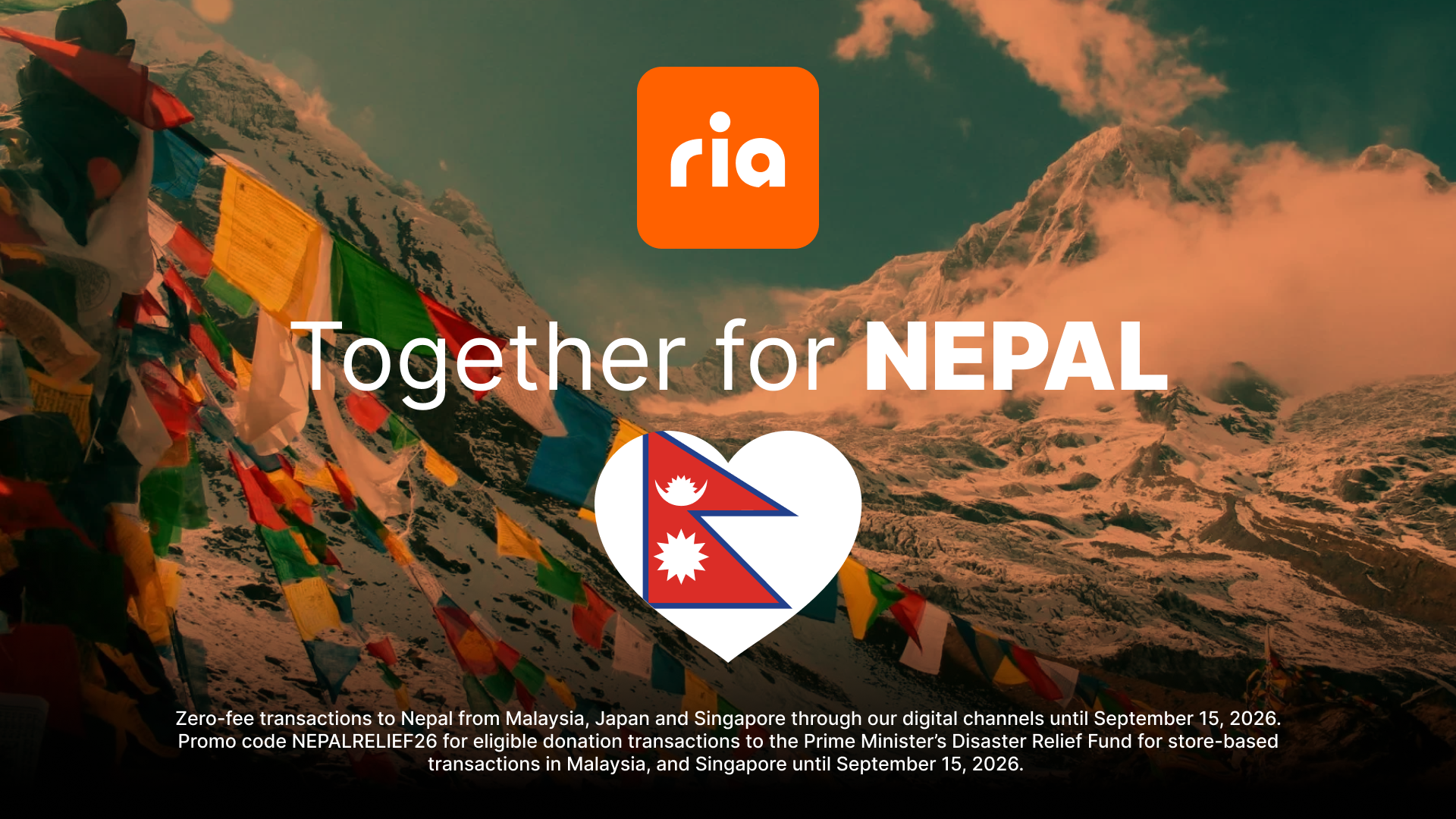
Nepal Floods: What Ria is Doing to Help
Following the devastating Nepal floods, Ria has launched a campaign to help families stay connected and provide support when it matters most.
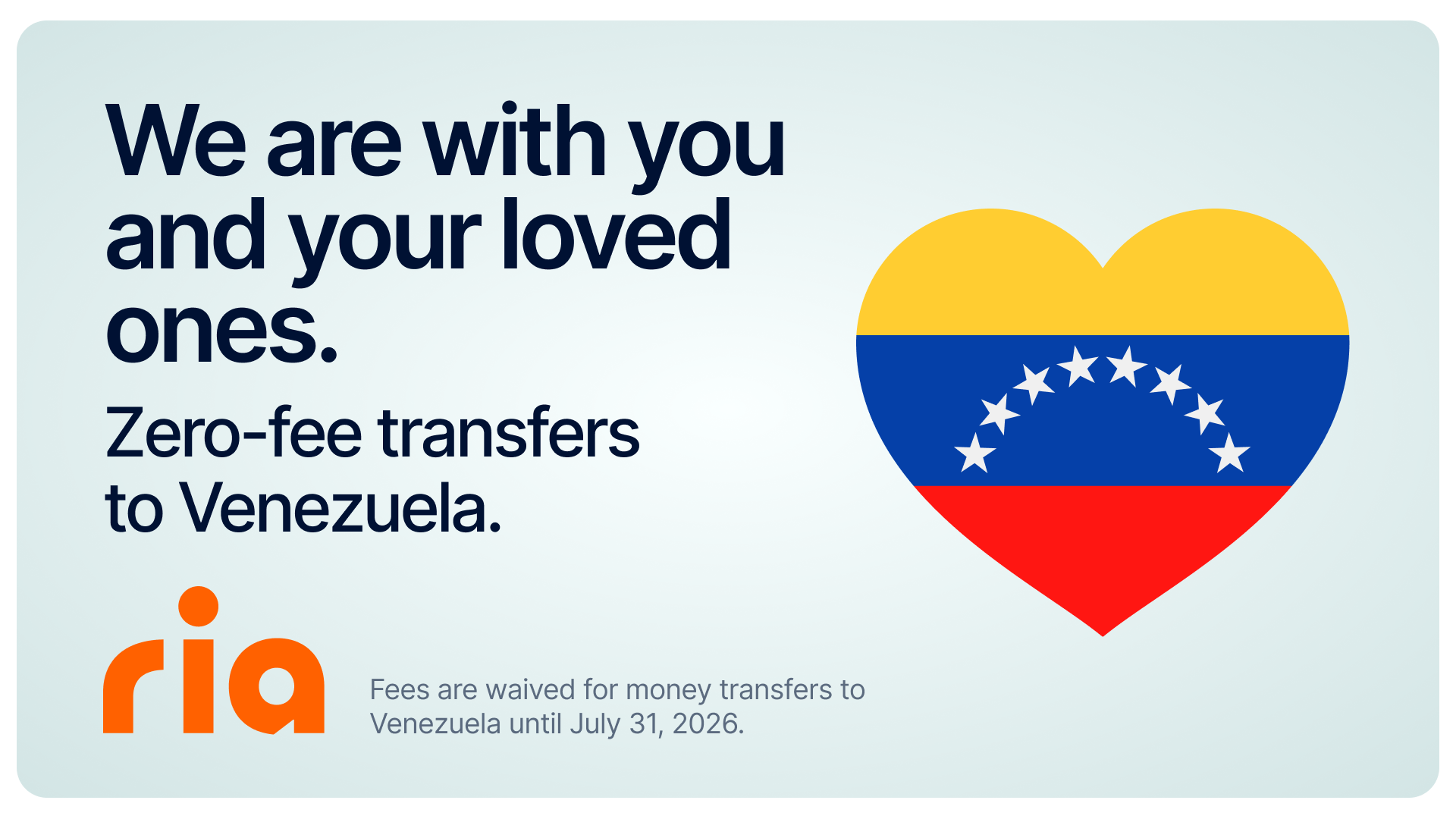
Venezuela Earthquakes: What Ria is Doing to Help
On the evening of June 24th, 2026, two magnitude 7 earthquakes shook Venezuela's coast near the capital Caracas. The tremors were the most powerful to hit the country in over a century. The extent of the fallout is still being assessed, with internal and international rescue efforts well underway. However, the damage is expected to []
The Currency of Caring: The Human Side of Remittances
Every year on June 16th, the world observes International Day of Family Remittances. On that date, we recognize the millions of migrants who send money back home to support their loved ones, helping build a better future for countless households across the globe. Although there is a lot of data about the financial impact and []
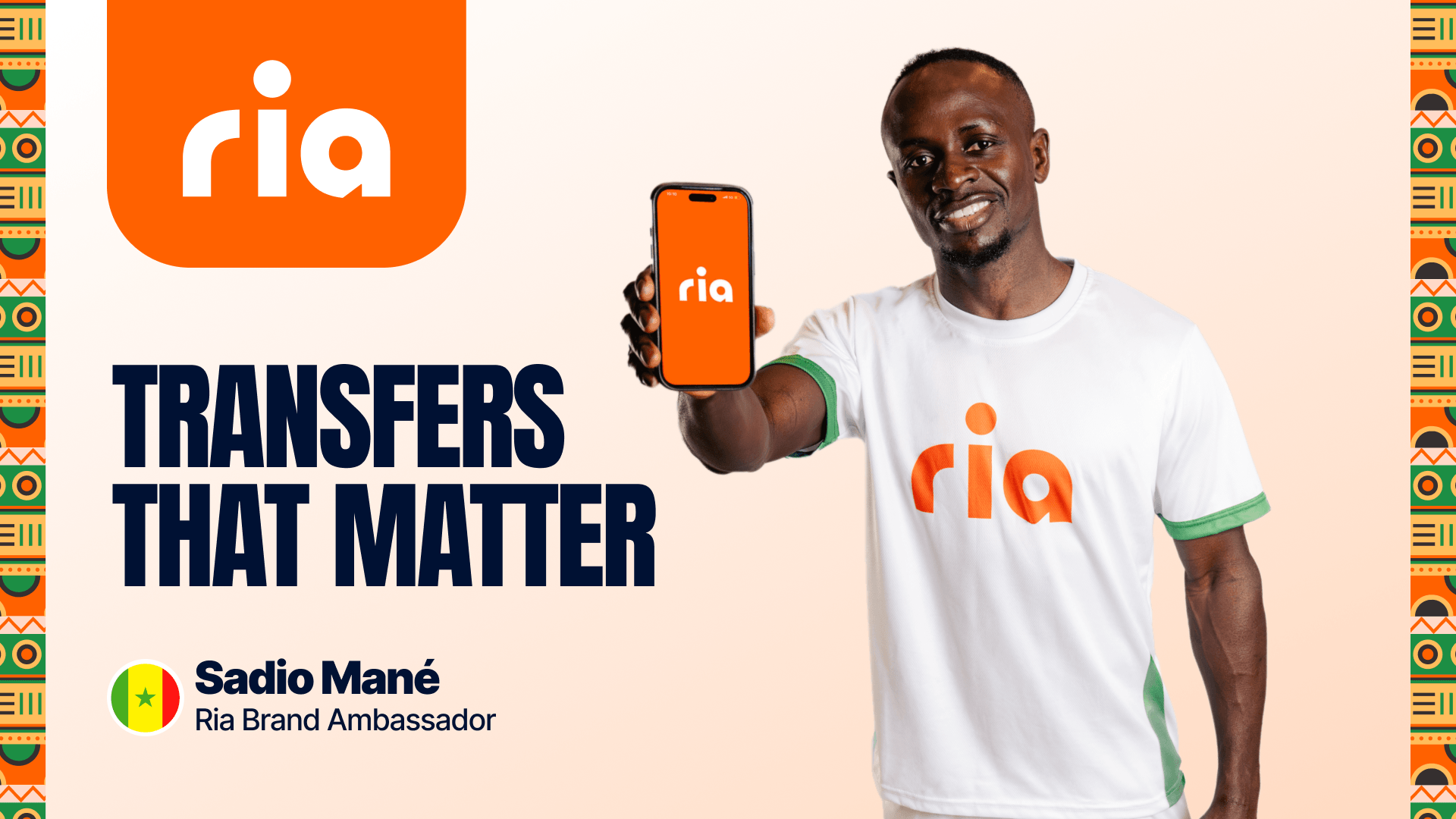
Sadio Mané and Ria: Empowering the Global Diaspora
Sadio Mané is considered one of the best and most recognizable African footballers of all time. But the Senegalese striker is more than just a global football icon: throughout his career, he’s reinvested his earnings back into his community, bridging the gap between football, migration and financial empowerment. That’s why at Ria we are extremely []