)
)
Festivals in Ghana

Did you know that Ghana hosts more than 70 festivals every year? If you think about it, that’s more than one per week. Traditional festivals in Ghana are used for a variety of things, such as marking the beginning of the harvest season or paying homage to ancestors.
Today, we’ll walk you through some of the different kinds of festivals and holidays, which will offer us a comprehensive view of Ghanian culture.
Adae
Celebrated by the Akan people of western Africa, Adae means “resting place” and is celebrated to invoke and venerate ancestors. Food and libation are offered to the ancestors by the traditional rulers, called ahene. On this day, work is forbidden. Now, it’s important to note that the Akan calendar year is divided into nine cycles of around 42 days each. The Adae festival is celebrated locally twice per cycle. The last one of the year, called the Adae Kese (Great Aede), is celebrated by the larger community. Because the ancestors have a greater presence on these days, political and personal disputes are often brought to the table and addressed publicly before the ahene.
Homowo
Many years ago, an uncharacteristic dry season led to a period of famine in the Accra region. When the rains returned, the festival of Homowo was instated. It is traditionally celebrated during the month of May. For the Ga people, homo means hunger and wo means hoot, the whole word meaning “to hoot at hunger.” The festival begins with the planting of maize, which is followed by a period of silence to avoid disturbing the gods. The celebrations go on for several days, culminating in the sprinkling of kpokpoi, a traditional cornmeal dish. At this time, songs and praises are offered up to the gods to secure another successful harvest season.
Bakatue
Every first Tuesday in July, the Elmina people of Ghana’s Central Region gather to celebrate the Bakatue festival to mark the beginning of the fishing season. For the Elmina people, Tuesday is the day of the sea god, which means fishermen often abstain from going out into the sea on these days. Festival preparations begin the Monday prior, with a royal procession kicking off the events on Tuesday morning. Nets are cast into the sea and all caught fish is offered up to the gods in gratitude for another good season.
Aboakyer
The Aboakyer festival, meaning “hunting for game” festival, is celebrated in the Central Region of Ghana by the Winneba people. The festival takes place on the first Saturday in May and commemorates the migration of the Winneba people from Timbuktu to Ghana. To thank the gods for having protected their people, a type of wild cat called bushbuck is offered up as sacrifice. Through this rite, the Winneba people also hope to obtain spiritual guidance and the promise of a productive harvest.
Hogbetsotso
Celebrated in the Volta region by the people of Anlo, Hogbetsotso celebrates the exodus from Togo to Ghana. The festival has been celebrated for the past 40 years every first Saturday of November. The story goes that the Anlo people lived under a tyrannical rule and trapped inside mud walls. In order to escape, the women were instructed to pour their wastewater in a specific area of the wall until it eventually softened. Now able to break the wall, the Anlo people escaped, but walked backwards to avoid being followed by their footprints.
Fetu Afahye
In Cape Coast, people come together every first Saturday in September celebrate Fetu Afahye to keep the town free of epidemics. Prior to the festival, the chief called Omanhen is confined for a week. During his confinement, the Omanhen is to ask for guidance from the ancestors. The day of the celebration, the Omanhen returns and asks for the 77 gods in the Oguaa state for blessings.
Akwasidae
Celebrated every sixth Sunday, Akwasidae is a day for the Manhya Palace of the Ashanti Kingdom to open its doors to the public. The event is seen as an opportunity for the community to come together. Music and dancing fill the streets, making for a vibrant celebration.
As you can see, traditional festivals in Ghana have all sorts of uses, from honoring the gods to marking the beginning of the fishing season. The sheer number of festivals celebrated ensures that, no matter when you visit, there will always be something going on!
Ready to send money? We’ve got you covered. Download our Ria Money Transfer app for iOS or Android to get started!
About the author

Gabrielle van Welie
Gabrielle van Welie is Ria's Global Content Manager. Originally from Dominican Republic, she specializes in the cultural impact of remittances and migration across the globe.
Related posts

Living in Japan as a Foreigner: How to Read the Room and Feel at Home
Japan always leaves a strong impression on those who visit the country. Its cities are clean and efficient, public transport is known to be reliable, and everyday life often feels remarkably organized. These factors make it easy to understand why so many people choose moving to Japan as a foreigner: to live, work or study […]

From Dance to Values: Uncovering the Full Iceberg of Culture
Are you familiar with the “Iceberg of Culture”? Developed by anthropologist Edward T. Hall, it shows that culture goes far beyond what we can see, shaped as much by visible expressions as by deeper, often invisible elements. On World Day for Cultural Diversity, we’re exploring both sides of that iceberg. From language and dance to […]
International Dance Day: How Movement Connects Cultures
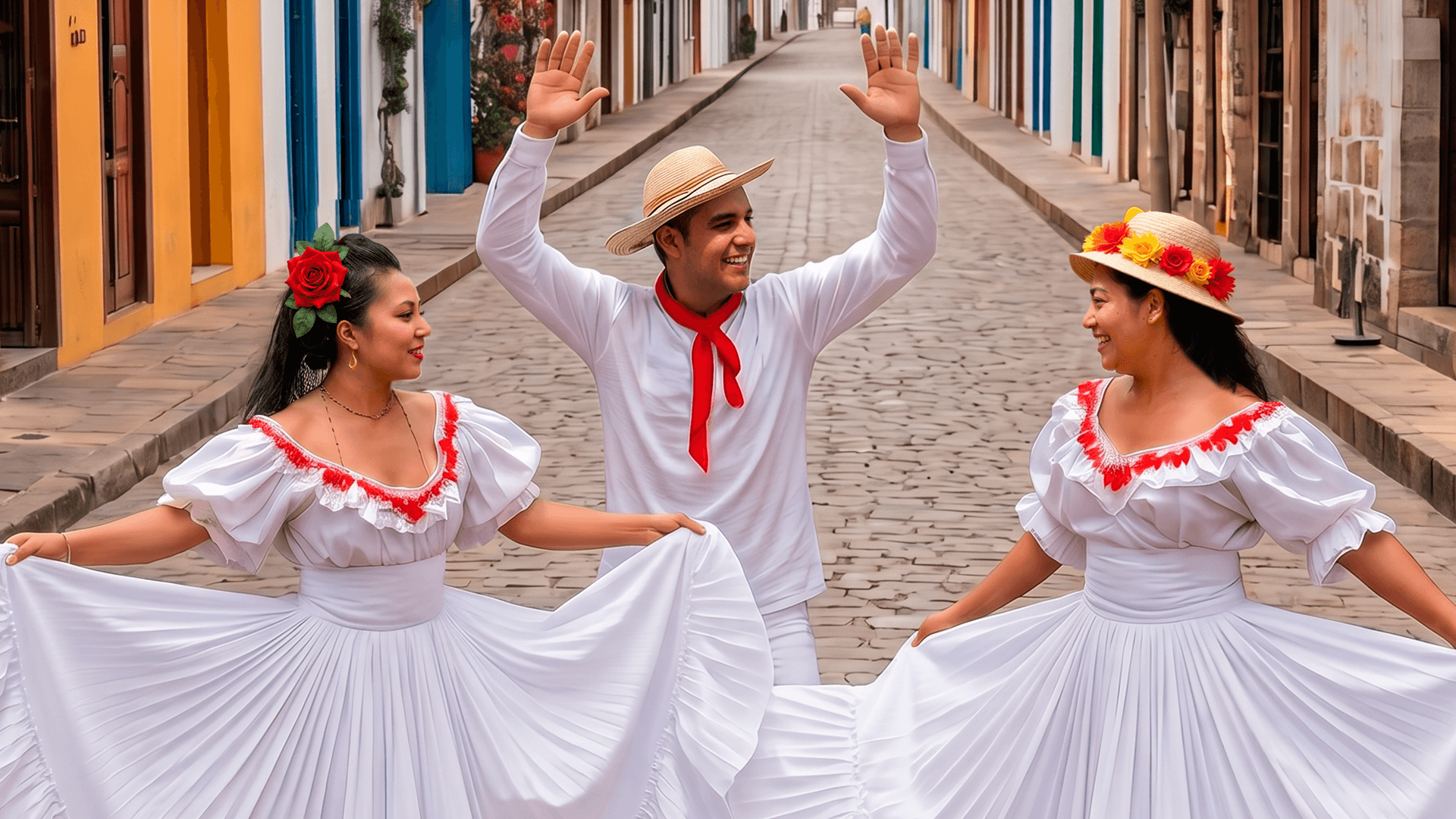
Dance is a timeless art expressed through movement. It has been used by humanity for millennia to convey meaning and emotions. To this day, dances hold memories and wisdom from ancestral times. They’re a powerful marker of identity that transcends borders and ages, bringing cultures together. That is why many migrants use dance as way […]
We Folded One Thousand Cranes for Children
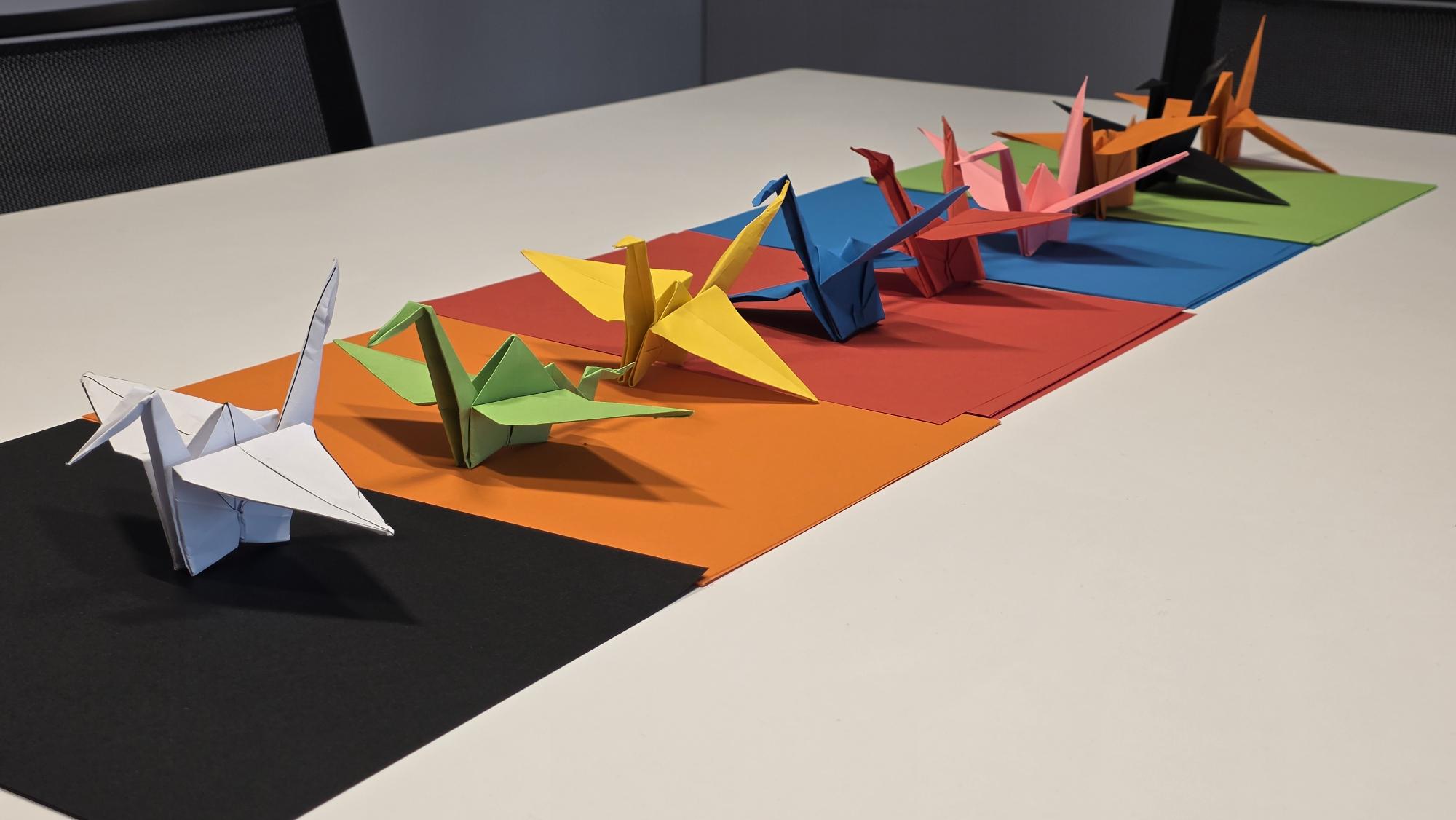
Key Takeaways ▪ Senbazuru is a Japanese tradition of folding 1,000 paper cranes to express hope, healing, or peace.▪ The paper crane symbolizes long life and resilience in Japanese folklore.▪ Sadako Sasaki, a Hiroshima bombing survivor, made the tradition globally known while battling leukemia.▪ Her story turned the paper crane into an international symbol of […]