)
)
5 Sustainable Inventions Fighting Poverty Around the World
)
)
A couple of months ago, we talked about vitamin-rich sweet potatoes and expandable shoes. These inventions have revolutionized rural living in countries like Uganda and inspired many of our readers. Today, we give you a new selection of innovative solutions to prove that changing the world happens one step at a time.
1. A reusable incubator
According to Embrace Global, one million babies die within 24 hours of birth each year. Most of the time, the culprit is hypothermia. In the developing world, not all women have access to proper natal care, resulting in pregnancy complications and premature births. Babies come into this world weighing less than they need and into hospitals with limited resources to treat prematurity.
The Embrace Warmer is a reusable and cost-effective incubator that doesn’t require electricity to function. It is designed specifically for hypothermic infants to keep them warm until they reach the necessary weight.
2. Smart, eco-friendly repellents
As the news confirms every day, mosquito-borne diseases are deadly. Malaria, in particular, remains the primary killer, with the World Health Organization reporting 219 million cases in 87 countries in 2018 alone. For pregnant women and children below the age of five, the risk is even higher.
Kite Products is on a mission to eradicate Malaria and other diseases carried by mosquitos, such as dengue fever and chikungunya, through their line of repellants. The products are fueled by entomology, which refers to the scientific study of insects, and are pesticide-free. Through manipulating the smell neurons in biting insects, humans can become invisible to them.
And, what’s more, five bottles are sent to rural communities in Africa for every 20 bottles of Kite Product purchased.
3. Fashionable iodine
In certain parts of India, women are not as trusting of foreign medication. Unfortunately, that often translates to an iodine deficiency, which has been linked to an increase in fibrocystic breast disease and pregnancy complications.
To combat this issue, Talwar Bindi and the Neelvasant Medical Foundation and Research Center merged science with fashion and created the life-saving dot called the Jeevan Bindi. This iodine-releasing patch is meant to be worn just like the traditional bindi, a decorative dot worn by women across India as a symbol of beauty. This way, women can receive their daily iodine dose without having to ingest any medication.
4. Laptops for everyone
Laptops are expensive, but access to technology is necessary to empower children throughout the world. To provide kids with the essentials for dynamic learning, One Laptop Per Child created low-cost and low-power laptops. This way, students are not only more engaged with their education, but also connected to the global community.
The non-profit organization focuses on early education and ensures laptops can sustain tough conditions. At the same time, laptops are gifted directly to the student and are rolled out to entire classrooms or schools to make sure nobody feels left behind.
5. Lucky Iron Fish
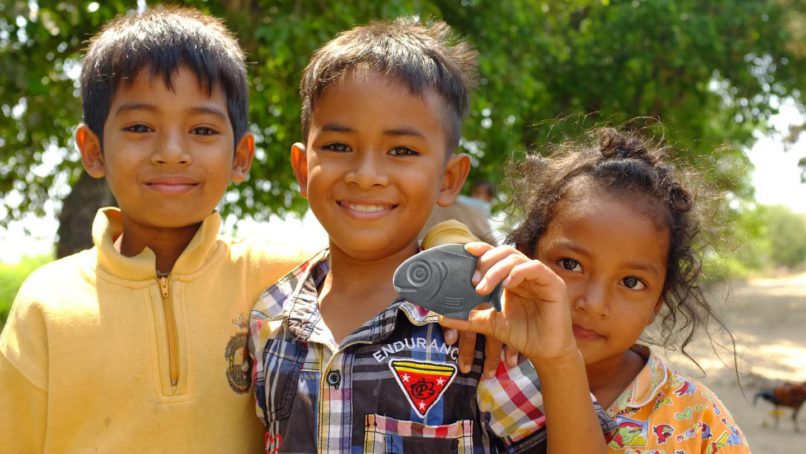
via Lucky Iron Fish
Iron deficiency is a common problem around the world, but many can’t afford the stream of supplements needed to remedy it. Lucky Iron Fish has created exactly what its name indicates: an iron fish that releases enough iron to support a whole family for five years.
To kick anemia to the curb, all families need to do is drop the fish into boiling water or liquid-based meals for 10 minutes to give food 6-8mg of absorbable iron. Each time a lucky fish is purchased, a portion of the proceeds go to providing disadvantaged communities with one of their own.
Holidays are right around the corner, so why not make one of these great inventions a gift to your family members or to a community in need?
Sobre el autor

Gabrielle van Welie
Gabrielle van Welie is Ria's Global Content Manager. Originally from Dominican Republic, she specializes in the cultural impact of remittances and migration across the globe.
Artículos relacionados

Mujeres en fintech: por qué cerrar la brecha de género importa
A medida que el sector fintech continúa evolucionando, la inclusión sigue siendo un desafío y una oportunidad importante para la industria. Aprende cómo una mayor diversidad puede contribuir a productos más fuertes, inclusión financiera más amplia y crecimiento a largo plazo en todo el ecosistema financiero.
¿Qué son los tipos de cambio de divisas y cómo se determinan?
Al enviar dinero a un ser querido o amigo en otro país, es posible que haya pensado en el tipo de cambio. Esta importante información determinará cuánto necesita enviar para que el destinatario obtenga la cantidad que necesita. Entonces, ¿cómo se determinan los tipos de cambio? ¿Y qué puedes hacer para obtener la mejor tarifa? []
Cómo iniciar un negocio y mantenerlo en funcionamiento
Todos hemos soñado, al menos una vez, con ser nuestro propio jefe. Pero la sola idea de iniciar un negocio desde cero puede hacer que muchos entren en una zona de crisis. ¿De dónde obtienes ideas y dinero para invertir? ¿Cómo se puede planear todo esto sin dejar de llegar a fin de mes con []

Tus preguntas sobre la transferencia de dinero en relación con la COVID-19: Respondidas
En estos tiempos de incertidumbre, entendemos que tengas preguntas sobre nuestro servicio y el proceso de envío de dinero. A continuación, encontrarás una lista de las preguntas más frecuentes que hemos recibido en medio de la crisis de la COVID-19. Para obtener más información general sobre nuestros servicios o sobre cómo enviar dinero con Ria, []