)
)
15 FinTech Terms You Need to Know

With the acceleration of digital solutions in 2020, FinTechs have gained more buzz than ever before. So, we want to make sure you know everything there is to know about the topic, and FinTech terms is as good a place to start as any.
But first, what is FinTech?
The definition of FinTech is, at its core, a combination between finance and technology. Throughout the 21st century, which has only been with us for 21 years, many acronyms involving technology have appeared. Other examples include RegTech and HealthTech.
Companies like Ria are examples of FinTech, where new technology is used to fast-track and safeguard financial transactions. These types of companies can be found all across the finance industry, be it banking, money transfer, or payments.
Now that we have a solid foundation for understanding FinTech, let’s move on to the most common terms being used nowadays.
FinTech Terms
Application Programming Interface (API): The software you need to ensure two applications can talk to one another. It’s the technology that enables you to use different apps on your phone without needing an individual device for each one.
Big Data: A field dedicated to analyzing large amounts of data to reveal patterns, correlations, and trends.
Blockchain: A type of distributed ledger used to connect a series of data blocks available through a public database. This technology is mainly used to create a chain of information that cannot be hacked or deleted.
Crowdfunding: Financing a project or venture through an online fundraising campaign. Funds can be offered as a donation or in return for some form of compensation from the fundraiser.
Cryptocurrencies: Decentralized digital currencies often secured through blockchain technology.
Distributed Ledger Technology (DLT): A protocol for data storage that removes the need for a centralized database. Information is stored multiple times in different locations to ensure its safe and accessible to all.
KYC: Know Your Customer (KYC) is the mandatory process for verifying a customer’s identity prior to making a financial transaction.
Machine Learning: The study and application of algorithms and statistical models that can power a computer system capable of learning and adapting on its own by simply anaylizing data.
Internet of Things (IoT): The technology enabled by 5G that allows for devices to communicate with each other.
Open Banking: A system that allows for third parties to connect directly with a consumer’s bank or financial account. By not inputting financial information into each third-party app we use, our data can be better safeguarded.
PSD2: Payment Services Directive Two is a new compliance legislation meant to ensure payment service providers are working on better customer authentication processes, especially regarding third-part involvement mentioned with open banking.
RegTech: Technology that helps streamline regulatory processes within the finance industry.
SaaS: Also known as software-as-a-service, SaaS is a a way of delivering applications through the Internet, as opposed to having customers download a hard copy.
Smart Contracts: A transaction protocol in which, by using blockchain technology, a contract can execute itself once both parties write their agreement into the line of code.
Tokenization: Used in data security, tokenization involves taking sensitive data and replacing it with a reference or identifier, making it harder for hackers to access the original data.
And there you have it! Hope you found this article useful and be sure to check out our Tech section if you want to learn more.
Ready to send money? Download the Ria Money Transfer App for Android or iOS today to get started.
About the author

Gabrielle van Welie
Gabrielle van Welie is Ria's Global Content Manager. Originally from Dominican Republic, she specializes in the cultural impact of remittances and migration across the globe.
Related posts

How Mobile Wallets Are Expanding Financial Inclusion in Emerging Markets
In the last decade, there has been a surge of applications and services that enable people to store, send, and receive money without needing a traditional bank account. Digital financial services such as mobile wallets have emerged as an accessible option for millions of unbanked people. These alternatives have become the first point of access […]
What is Stablecoin? A Simple Guide to Understanding How it Works
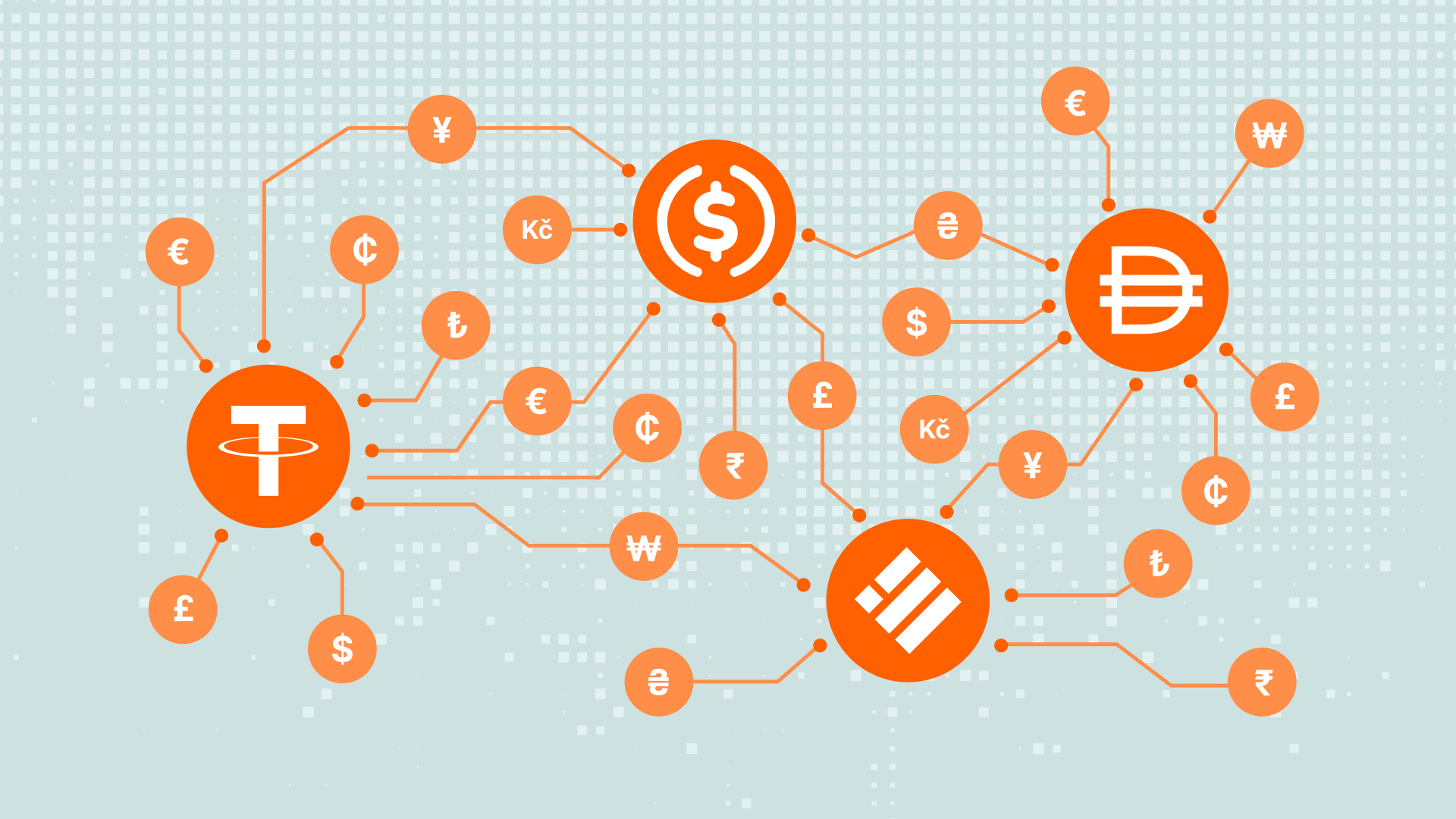
Stablecoins have become increasingly popular. It’s the new hot topic, especially for cross-border transactions, as this technology it has been changing the way money moves. In this post, we’ll help you understand the basics about this type of cryptocurrency. We’ll also dive into the opportunities and challenges that it brings to the money transfer industry […]
How to Monetize Your Platform with Embedded Money Transfer Services
Key Takeaways ▪ Embedded finance allows platforms to offer financial services natively, boosting revenue and user retention. ▪ Integrated Money Transfers enable SaaS, fintechs, and marketplaces to integrate remittance features seamlessly. ▪ Ria Money Transfer offers a scalable, secure, and global API solution for platforms targeting international or migrant users. ▪ Monetizing with remittance-as-a-feature is an evergreen strategy for platforms […]

How Ria Money Transfer Keeps Your Data Safe
In today’s rapidly evolving and ever digitalized world, keeping data protection in top of mind is both necessary and essential for all companies, and at Ria it’s no different. Although data protection laws and principles are commonplace nowadays, we still take it very seriously because of the industry we are in. That’s why data protection […]