)
)
Remittances Boost Education
)
)
A recent study conducted by the United Nations Educational, Scientific and Cultural Organization (UNESCO) proves that, albeit intricate, the relationship between remittances and education is a positive one overall.
The positive impact of remittances is indisputable, but the correlation between them and education is under constant debate.
Because of the complex nature of immigration, it’s difficult to predict the kind of impact it will have on families.
For instance, in the same way migrant workers can help pay for loans, medical bills and boost investment, their migration can also result in relocation expenses and disrupt existing family dynamics.
It can also dissuade older children from continuing their education, especially if they’re pursuing a degree that might not be transferable or valid abroad.
However, there is substantial evidence to show that most families in middle- and low-income countries who receive remittances do use the aid to keep their kids in school.
Remittances and education
According to the World Bank’s latest estimate, close to US$690 million were sent in remittances last year.
So, when we talk about remittances boosting education, we’re talking about a big impact worldwide.
In general terms, the number of children out of school has decreased dramatically since the 1970s, according to data collected by the UNESCO Institute for Statistics.
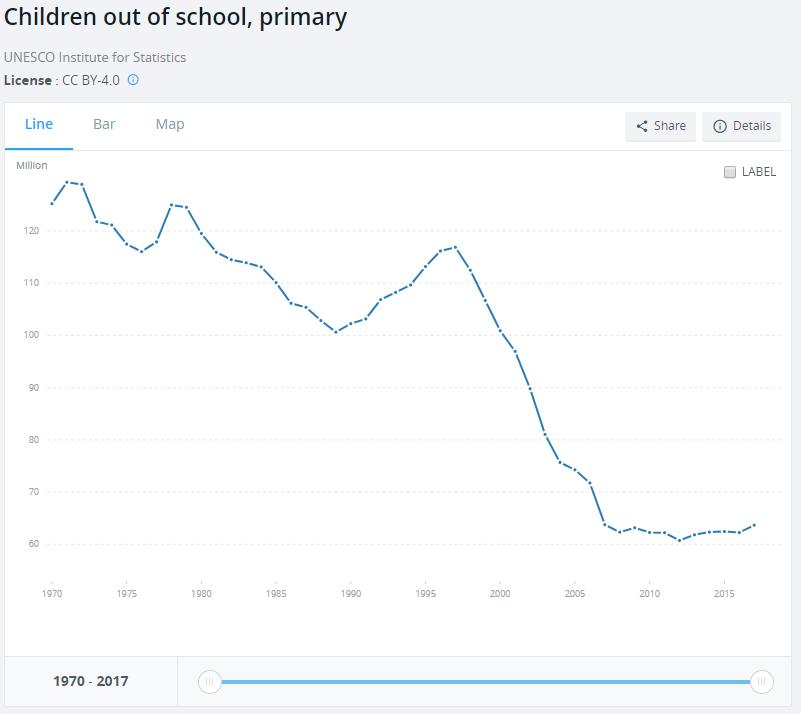
Chart via World Bank
Thanks to remittances, recipient households in India spend an extra 17% in education than households who aren’t.[1]
In the same way, 17% of the remittances received in Morocco went to rural and urban education spending.[2]
Remittance-receiving households in Lima and Guatemala tripled their education budget.[3]
At the same time, recipient families in the Philippines with relatives working in the Republic of Korea also tripled both their health and education spending.[4]
What’s more, remittances can help kids stay in school even if the funds are not being used expressively for educational investment.
For example, a 10% increase in remittances helped Filipinos reduce unpaid child labor by more than three hours a week, allowing for more children to return to school.
When families don’t have to worry about making ends meet, children are more likely to finish their education. For example, children aged 6 to 17 in the Dominican Republic were more likely to attend school if their families were being supported by remittances.[5]
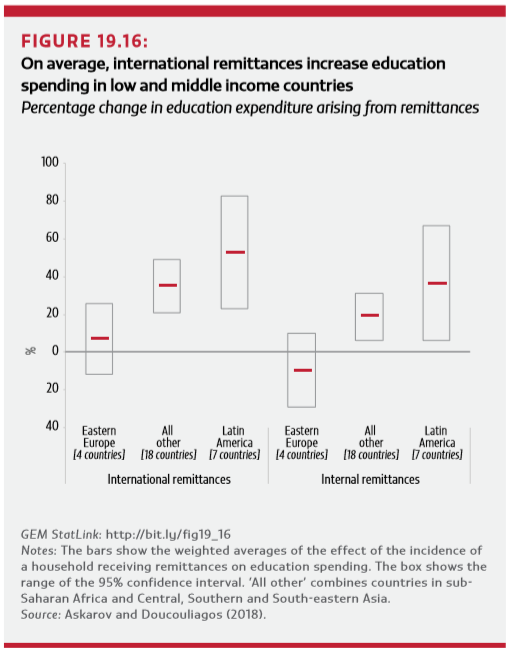
Graph via UNESCO
Yet, based on the World Bank chart, there are still over 63 million children out of primary school.
The question is, how do we help raise education spending now that a pattern has been established?
The United Nation’s Sustainable Development Goals are very clear: reduce the global cost of remittances.
All sources are original citations of the UNESCO study.
[1] Parida et al., 2015
[2] Ibourk and Bensaïd, 2014
[3] Adams and Cuecuecha, 2010; Loveday and Molina, 2006
[4] Clemens and Tiongson, 2017
[5] Amuedo-Dorantes and Pozo, 2010
About the author

Gabrielle van Welie
Gabrielle van Welie is Ria's Global Content Manager. Originally from Dominican Republic, she specializes in the cultural impact of remittances and migration across the globe.
Related posts

What is Bre-B and how does it work?
Bre-B is Colombia's instant payment system. Learn how llaves work, what Bre-B costs, its transfer limits, and how to send money to a Bre-B key from abroad with Ria.

The Money That Moves the World Is Personal
200 million people built one of the world's most powerful financial systems, but few call it that.
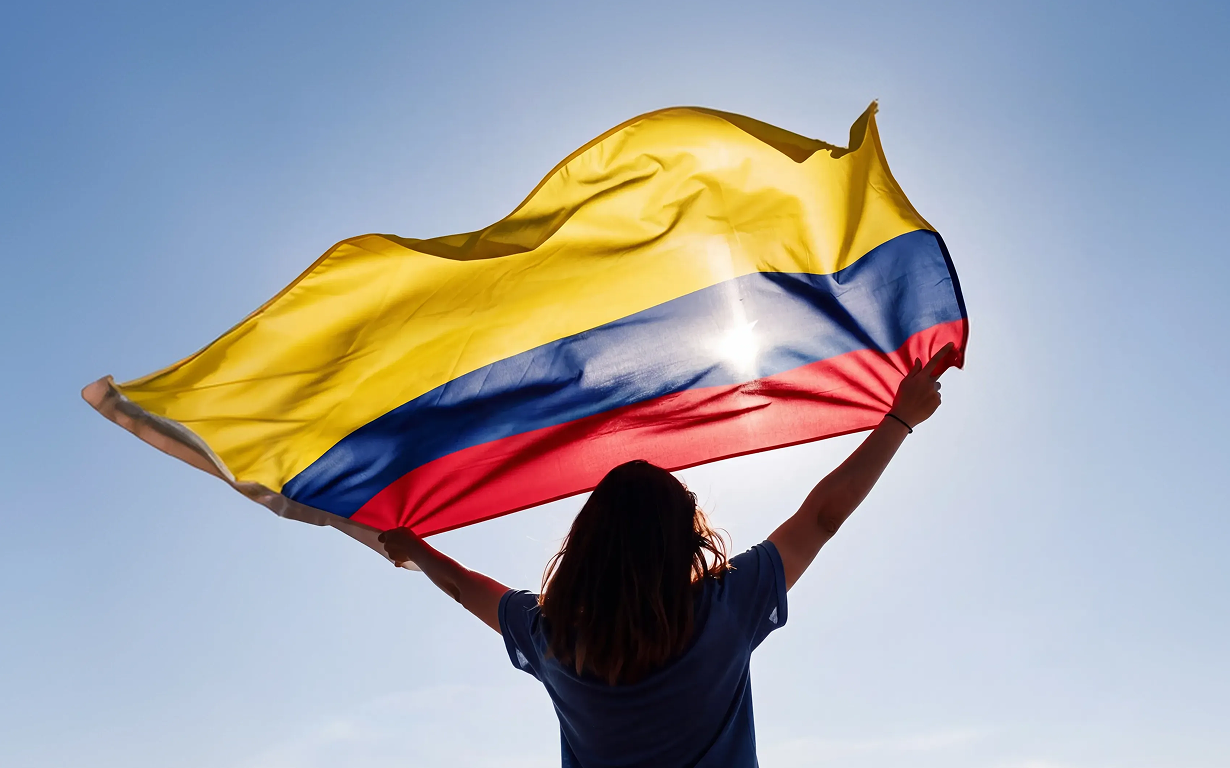
Colombia Earthquake (2026): How to Help, Find Relief Resources, and Send Money
On the morning of August 10th, a 7.4-magnitude earthquake struck western Colombia. Ria is waiving transfer fees to Colombia through August 16.
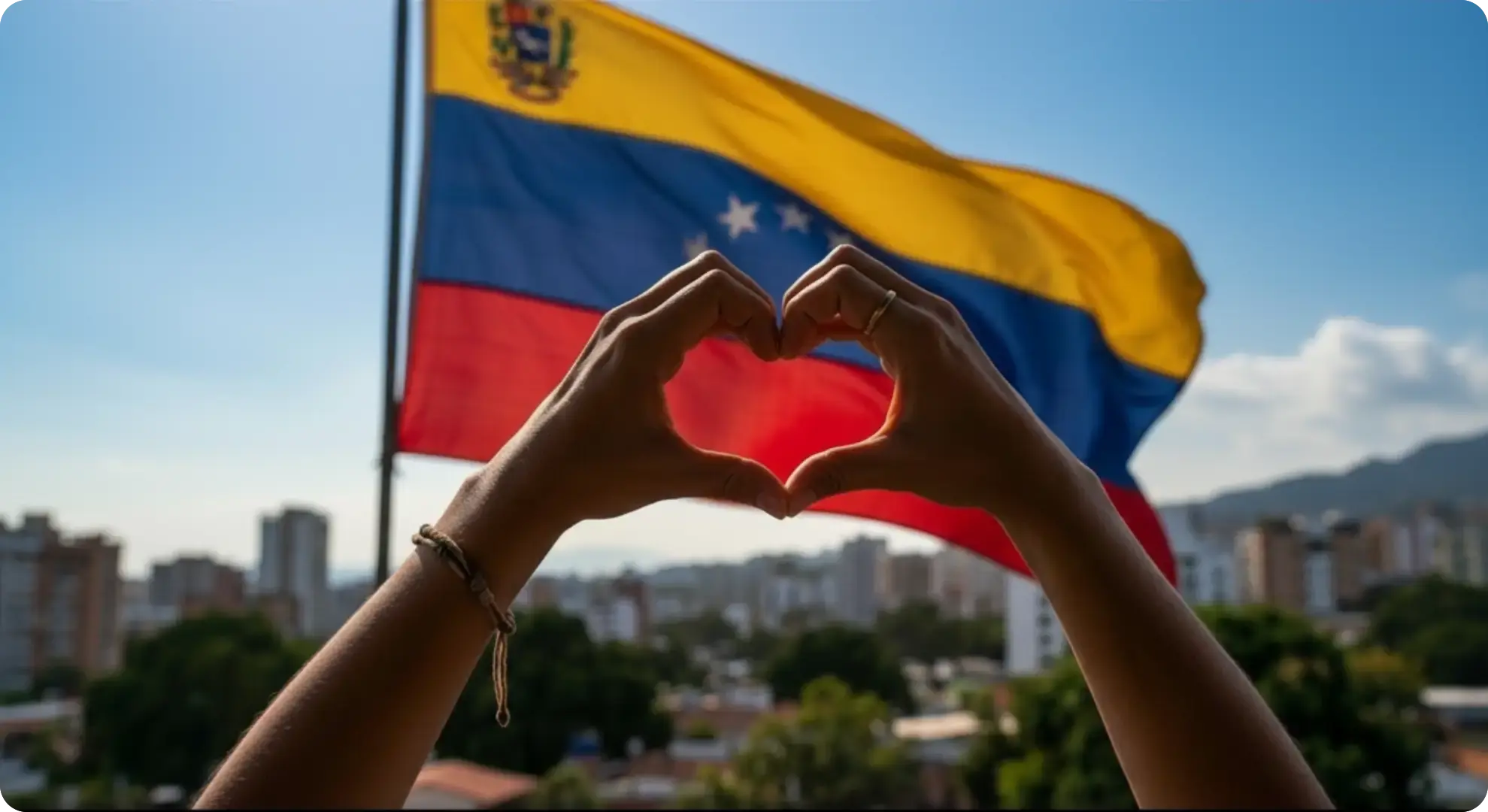
Venezuela Earthquake (2026): How to Help, Find Relief Resources, and Send Money
Many of our customers have loved ones in Venezuela. If that's you, we're thinking of you. Here's what you need to know: Information is based on updates from USGS, UN OCHA, IFRC, and other humanitarian organizations. Details may change as emergency response efforts continue. On the evening of June 24, two powerful earthquakes struck Venezuela.