)
)
Financial Inclusion: What We Need to Make it Work
)
)
Financial inclusion sounds like a great idea, but many of us are not aware of what exactly it entails. How do we truly bring this solution to communities in need, and how do these communities then thrive because of it?
Today, we’ll be answering the central questions surrounding financial inclusion, its adaptation, proliferation and eventual impact on marginalized societies worldwide.
Let’s take a look.
What is financial inclusion?
When we talk about fighting poverty, there are many approaches to be taken. It can mean ending world hunger by teaching communities to farm sustainably. It can also mean introducing universal health coverage to ensure medical treatment is available to every human on the planet.
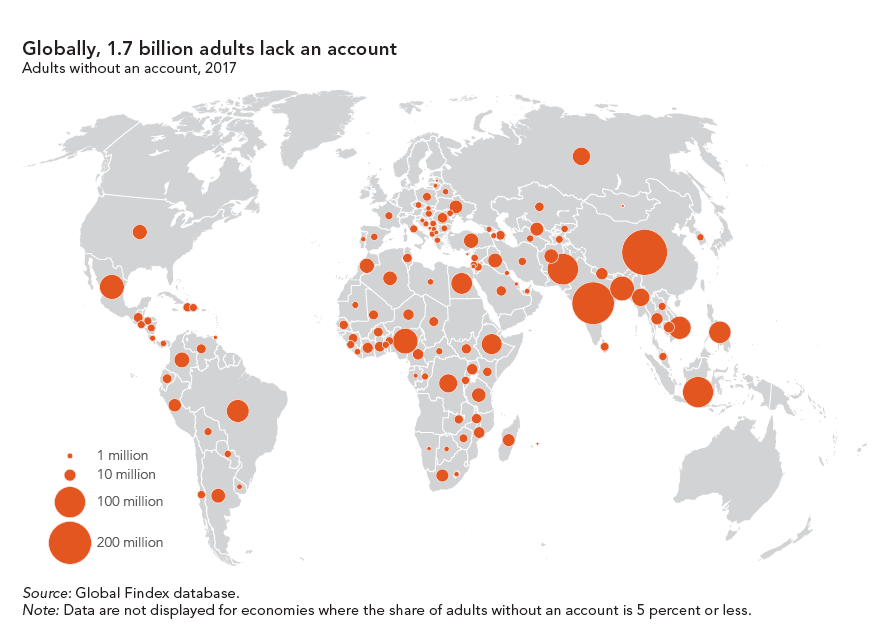
But when we talk about financial inclusion, we are talking specifically about bringing those excluded from the financial system into it.
For the World Bank, financial inclusion is achieved when “individuals and businesses have access to useful and affordable financial products and services that meet their needs – transactions, payments, savings, credit and insurance – delivered in a responsible and sustainable way.”
And to measure its proliferation, the FII (Financial Inclusion Institute) analyzes it “as the percentage of adults (15+ years old) who report having at least one account in their name with an institution that offers a full suite of financial services, and comes under some form of government regulation.”
For us as an international community, achieving financial inclusion means actively reaching several Sustainable Development Goals such as eradicating poverty, ending hunger, ensuring health and well-being, promoting economic growth and jobs and reducing inequality.
via World Bank Blogs
How is it established?
According to the FII, unbanked adults need access to five basic financial services: savings, credit, money transfers, insurance and investment. These could be gained through banks, mobile money service provides or nonbank financial institutions.
However, individuals that possess accounts solely connected to microfinance institutions (MFIs) or that access financial services indirectly through a friend or a third-party account are not considered financially included. The same can be said for those who only use money guards, savings collectors or digital recharge cards.
Instead, financial inclusion is delivered and established through banks, credit unions and cooperatives, as well as businesses that offer innovative services, often tied to technology, that reach those living in rural areas with no access to traditional channels.
What is the impact?
Before truly grasping the impact of financial inclusion, we have to understand what it means to be financially excluded. When a person lacks a financial identity, it means they can’t receive government aid, apply for credit or take out loans. This encourages and sustains day-to-day living, what is known in the rich world as paycheck-to-paycheck, and chains these underserved adults to a cycle of poverty.
Through financial inclusion, the cycle can be broken. When unbanked individuals gain access to financial services, they can begin saving for unforeseen circumstances or investment, take out mortgages, launch small enterprises or plan ahead for recurring expenses such as school tuitions. Above all, it creates a safe and efficient channel through which to receive money, what we call remittances, from loved ones living abroad.
via World Bank
How do we ensure financial inclusion is achieved?
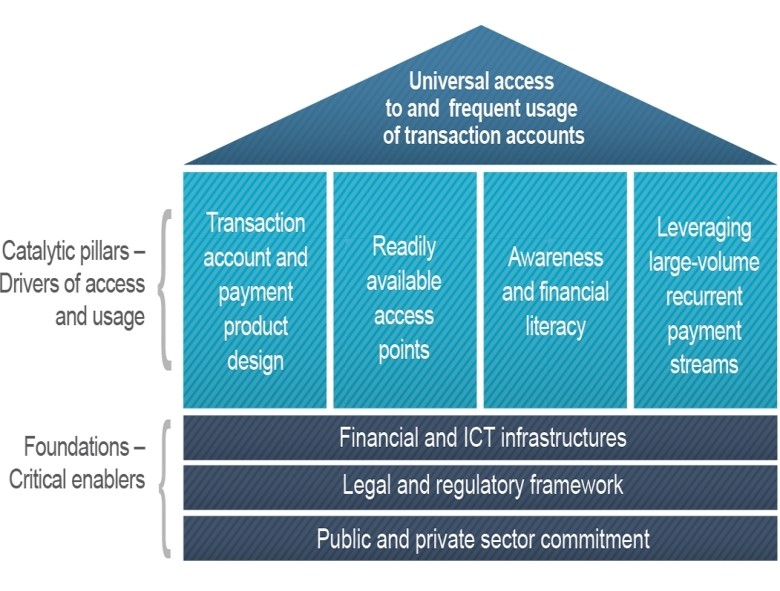
The World Bank Group launched the Universal Financial Access 2020 (UFA2020) initiative, which intends to enable one billion adults to access what they call “the basic building block to manage their financial lives,” a transaction account to store money. The project counts with over 30 partners who have pledged to further financial inclusion.
At the same time, money transfer operators, banks and post offices—the more well-known routes for sending funds to middle and low-income countries—are also working together to implement innovative solutions to extend their reach even further.
Hopefully, you now have a better grasp on financial inclusion and how it’s been put in place. If you have any other question, feel free to ask away in the comments below or start a conversation with us on Twitter!
Ready to send money? Download our Ria Money Transfer app today for iOS or Android to get started – it’s safe, easy and fast.
About the author

Gabrielle van Welie
Gabrielle van Welie is Ria's Global Content Manager. Originally from Dominican Republic, she specializes in the cultural impact of remittances and migration across the globe.
Related posts

Where $100 Goes Furthest
What can you buy with $100? The answer depends on the country. In some places, $100 is more than enough for a cart full of groceries at the store and then some. In other countries, your dollar won’t stretch nearly as far. This study compares how far $100 goes depending on your location and country []

Financial Self-Care for Remittance Senders: Thrive While You Give
Each year, millions of migrant workers send money back home to support their families. These funds have the power to significantly improve the lives of countless households. Even small amounts can make a big difference, helping cover basic expenses and paving the way for a better future. Sending money home is a powerful act of []

How to Prepare for Retirement: Smart Tips for a Comfortable Future
Depending on where you are in your career and in life, retirement may seem like a distant dream or an approaching reality. How much money do you need to retire comfortably? What are the different types of retirement plans? No matter your age or income level, to prepare for retirement is one of the most []

How to Send Money Without a Bank Account
Transferring money is an essential part of modern life, but not everyone has access to a traditional bank account. Sending funds quickly and securely can feel like a challenge without a bank. But here’s the good news: there are reliable alternatives. Why People Might Not Have Bank Accounts To understand how to send money without []