

A Brief History of Migration and Remittances in Morocco
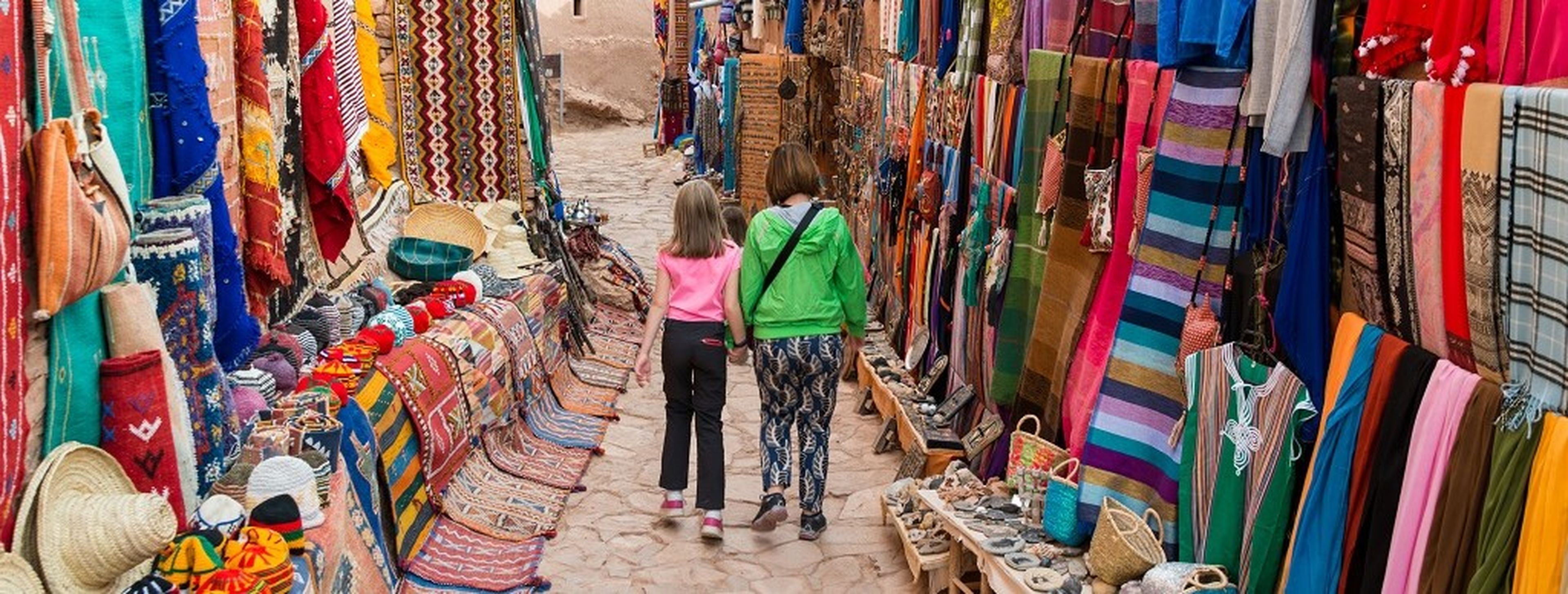

The gateway to Africa, the home of the Berbers and the emblematic backdrop to Casablanca. These are only some of the titles borne by the multicultural hub that is Morocco.
Over the years, Morocco has attracted African investment to the extent of becoming a focal point of development in the continent. Aside from businessmen, Morocco has also hosted film producers, writers, and artists lured by the country’s mesmerizing landscapes and vibrant atmosphere.
Morocco serves as a transit country for many African immigrants looking to make it into Europe and the rest of the western world. Nowadays, Morocco attracts migrant workers who look to stay in one of the most developed countries in the African continent.
A (Very) Brief History of Morocco
The area occupied by the Kingdom of Morocco has been inhabited since prehistoric times. Evidence indicates that the Berbers, an ethnic group spread through different nations and native to Northwest Africa, were present in the Maghreb at least since 10,000 BC. As a result, Berber culture and traditions are more vividly celebrated in North Africa, specifically in Morocco. Berber kingdoms were established there according to their different tribes – mainly the Mauri, the Numidians, and the Gaetulians.
Then came the Phoenicians, who settled in locations corresponding to modern-day Rabat and Essaouira, to name a few. Becoming part of the empire of Carthage, the Berber kingdom of Mauretania was later incorporated by Rome to become a tributary state of the Roman Empire. It wasn’t until the 7th century that Islamic culture was brought to the region through the Muslim Conquest of the Maghreb led by the Umayyad Caliphate, one of the four principal caliphates founded after the death of the Prophet Muhammad. From there onwards, Morocco was ruled by many dynasties, being finally unified as a state under the Alaouite dynasty in the 17th century.
The Alaouite dynasty has ruled the Kingdom ever since, leading many historical events like the occupation of Tangier, the Siege of Melilla, and the Moroccan-American Treaty of Friendship. In more recent times, Morocco also became a French protectorate until regaining its independence in 1956.
Throughout its history, the Kingdom of Morocco was able to establish itself politically, culturally, and economically in the region. In fact, with the Moroccan dirham as its currency, Morocco is currently one of the largest economies in Africa.
Migration in Morocco
With a population of more than 37 million, Morocco is a multi-cultural society with deep Arab, French, Spanish and Roman influences. Its international nature has made it the norm for citizens to speak two or three languages fluently.
Although an emigration country, Morocco has seen an increase in immigration since the early 2000s.
At the end of 2013, Morocco announced a new migration policy and started reworking its migration and asylum system. From the creation of a migration affairs ministry department to the establishment of a regularization program for undocumented people living in the country, the efforts to improve the lives of incoming migrants have been visible under the reign of Mohammed VI.
Remittances in Morocco
The change in immigration patterns and the problems caused by the pandemic have not stopped remittances from playing a major role in Morocco’s development, representing 7.5% of the nation’s GDP. In 2012, remittance inflows reached USD$10.7 billion, representing a record-breaking growth.
Remittances received by Moroccan individuals come in great part from Europe. The three major senders are historically the countries that receive most of the Moroccan diaspora: France, Spain and Italy.
Sending Money to Morocco with Ria Money Transfer
We have more than 12,000 locations in Morocco. Whether you’re a tourist, a resident or a migrant worker, learning how to quickly and safely send money to Morocco is bound to come in handy.
Traditionally, the person receiving the money would have to pick it up at the location that was specified by the sender. With Ria, residents of Morocco can pick up their cash at any of our locations.
Today, we can offer not only a safe and convenient service, but also some of the best rates in the world among international money transfer services.
Ready to send money to Morocco? Download the Ria Money Transfer App for Android or iOS to get started.
For more info: comms@riamoneytransfer.com
About the author
Alaine Anderson
Related posts


Why Migrants Send Money: The Emotional Side of Remittances
Sending money home is about more than financial support. Explore the pride, love, responsibility and pressure behind remittances and what they mean for migrants.


How to send money on WhatsApp with Ria: Your complete guide
Everything you need to send money with Ria on WhatsApp: what to have ready, transfer limits, payment, delivery options and how the chat works from start to finish.


What is Bre-B and how does it work?
Bre-B is Colombia's instant payment system. Learn how llaves work, what Bre-B costs, its transfer limits, and how to send money to a Bre-B key from abroad with Ria.

The Money That Moves the World Is Personal
200 million people built one of the world's most powerful financial systems, but few call it that.